


Does Cutting Hair Make It Grow Faster? What the Science Actually Shows
Contents:
- The Biology: Why Cutting Hair Can’t Speed Up Growth
- Why Everyone Thinks Cutting Hair Makes It Grow Faster
- Does Cutting Hair Make It Grow Faster? Regional Perspectives
- What Actually Matters for Hair Growth and Health
- Genetics and Age
- Scalp Health and Nutrition
- Moisture and Damage Prevention
- Hormonal Balance
- How Often Should You Actually Get a Haircut?
- Common Mistakes to Avoid
- The Budget-Conscious Approach
- Frequently Asked Questions
- Does cutting hair short make it grow back thicker?
- What’s the best cutting schedule for hair growth?
- Can I speed up hair growth with a special cutting technique?
- Does the moon cycle affect hair growth?
- Should I cut my hair if it’s not damaged?
- The Takeaway
86% of people believe that regular haircuts make hair grow faster. It’s one of the most persistent myths in hair care, passed down through generations and reinforced at every salon visit. But the biology tells a different story entirely.
Quick Answer: No, cutting hair does not make it grow faster. Hair growth happens at the scalp, where new cells are produced. Trimming the ends has zero impact on the rate of growth at the root. However, removing damaged ends does make hair appear healthier and helps retain length over time.
The Biology: Why Cutting Hair Can’t Speed Up Growth
Hair grows from the follicle, a structure buried deep in your scalp. Each follicle produces new cells at its base, which push upward to form the hair shaft. This growth happens independently of what happens at the ends of your hair. When you cut your hair, you’re removing dead keratin protein that has already grown. You’re not signalling the follicle to work faster.
Think of it like trimming the leaves off a plant. The plant’s ability to produce new leaves depends on its roots and growing tip at the base of the stem—not on what you snip off the branches. Your scalp works the same way.
The average human scalp produces hair at roughly 0.3 to 0.4 millimetres per day, or about 15 centimetres per year. This rate is determined by genetics, age, hormones, and nutrition—not by haircuts. A person with genetically slow-growing hair will grow it at the same rate whether they get monthly trims or go years without cutting.
Why Everyone Thinks Cutting Hair Makes It Grow Faster
This myth persists because of a perceptual trick. When you have split ends and damaged hair, it breaks off unevenly and looks thinner. The overall length appears to stagnate. Once you trim those damaged ends, the remaining hair looks thicker, shinier, and fuller. Psychologically, this *feels* like growth, even though you’ve technically removed length.
Additionally, hair that’s damaged grows less efficiently. Split ends can travel up the hair shaft, causing it to snap off higher up. By removing that damage regularly, you’re actually allowing more of the new growth to survive and persist. You’re retaining length, not creating growth.
Does Cutting Hair Make It Grow Faster? Regional Perspectives
Interestingly, beliefs about hair cutting vary significantly by region. In the Northeast, many salons recommend cuts every 6 weeks for maintenance. Down South, traditions around natural hair care emphasise protective styling and less frequent trims—sometimes monthly or even quarterly. On the West Coast, a “grow-out” mentality dominates, with some people cutting only 2-3 times per year.
None of these approaches change the biological rate at which hair grows from your scalp. What they do change is how much length you retain and how healthy your hair appears. A person following a Southern protective-styling approach might retain more length over a year than someone getting cuts every 6 weeks—even though the growth rate is identical.
What Actually Matters for Hair Growth and Health
Genetics and Age
Your DNA largely determines how fast your hair grows and how long it can grow before it sheds. Some people have follicles that produce hair for 5 years; others produce for 10. This is fixed. There’s no haircut that changes this.
Scalp Health and Nutrition
Hair growth requires adequate protein, iron, zinc, and B vitamins. A deficiency in any of these will slow growth from the root. British women aged 19-50 need at least 46 grammes of protein daily. Falling short of this affects hair quality and growth rate more than any scissors ever will.
Moisture and Damage Prevention
While cutting doesn’t speed growth, preventing breakage does help you retain the length you’ve grown. Hair that’s moisturised and protected from heat damage lasts longer. A good trim removes the most damaged portions, which is where breakage typically starts.
Hormonal Balance
Thyroid issues, polycystic ovary syndrome (PCOS), and cortisol levels all affect hair growth. Stress can trigger telogen effluvium, a condition where hair sheds prematurely. Managing these factors influences growth more than any styling choice.
How Often Should You Actually Get a Haircut?
The answer depends on your hair type and style, not on how fast you want it to grow. Here’s a practical breakdown:
- Blunt, short cuts: Every 4-6 weeks to maintain shape and prevent splitiness
- Longer hair with layers: Every 8-12 weeks to manage damage
- Long hair without layers: Every 12-16 weeks, only if split ends are visible
- Natural curls or coils: Every 8-12 weeks, or as needed for shape
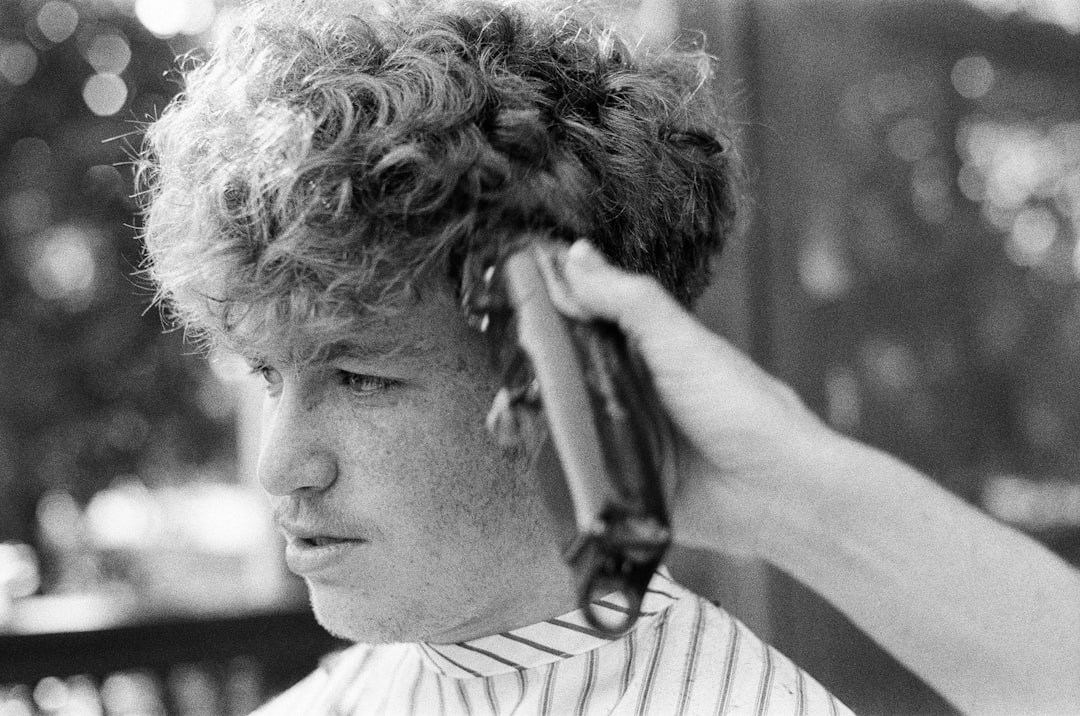
The goal isn’t to trigger growth—it’s to remove damaged ends before they compromise the entire strand and to maintain your style. If you’re trying to grow your hair long, you actually need *fewer* cuts, not more. A compromise: small trims (just 5mm) every 3 months to catch damage without sacrificing length.
Common Mistakes to Avoid
- Cutting too frequently in pursuit of length: If you get a trim every 4 weeks and each trim removes 2cm, you’ll lose 26cm per year just in cutting. That’s more than the growth rate. Fewer, smaller trims work better for length retention.
- Neglecting the scalp and roots: Spending money on expensive cuts while ignoring scalp health, hydration, and nutrition is backwards. The expensive part should be what you put into your body and scalp, not the scissors.
- Waiting until hair is severely damaged: If you go 18 months without a trim and your ends are frayed, you’ll eventually need a substantial cut. Regular small maintenance prevents this crisis.
- Assuming all stylists understand growth patterns: Not every salon will recommend cutting strategy based on your growth goals. Be explicit about whether you’re trying to grow length or maintain shape.
The Budget-Conscious Approach
You don’t need expensive salon visits every 6 weeks. Here’s a smarter strategy: Get one professional cut per year (£40-60 at a mid-range salon) to establish a good baseline shape. Between appointments, maintain your hair through proper washing, conditioning (focus on the ends), and minimal heat styling. If you’re handy, a small trim with sharp kitchen scissors every 3 months can cost virtually nothing and keep ends tidy.
Alternatively, many salons in the UK offer “cut and tidy” packages for £15-25 between full cuts. This addresses damage without the cost of a complete restyle.
The real money-saver: prevent damage in the first place. A good leave-in conditioner (£8-15), a microfibre towel instead of rough cotton (£10-20), and limiting hot tools will preserve your hair far better than frequent cutting.
Frequently Asked Questions
Does cutting hair short make it grow back thicker?
No. Hair thickness is determined by the diameter of the hair shaft, which is set by your follicle genetics. Cutting short hair doesn’t change the width of new growth. The perception of thickness comes from having multiple hairs at the same short length—they look denser together. As it grows out, that illusion fades.
What’s the best cutting schedule for hair growth?
Trim every 8-12 weeks with small cuts (under 1cm) if you’re actively trying to grow length. This removes damage without sacrificing progress. For someone not focused on length, every 6-8 weeks is fine for maintenance.
Can I speed up hair growth with a special cutting technique?
No cutting technique—not razor-cutting, blunt-cutting, or any other method—speeds growth. Different techniques create different styles and may prevent damage differently, but none trigger faster root growth.
Does the moon cycle affect hair growth?
This is another myth. Hair growth is not affected by lunar cycles. Some people claim cutting during a full moon makes hair grow faster, but there is no biological mechanism for this and no scientific evidence.
Should I cut my hair if it’s not damaged?
Only if you need to maintain a style. If your hair is healthy and you’re growing it out, skipping cuts entirely is an option. Just monitor the ends for damage and address it only when necessary.
The Takeaway
Cutting hair doesn’t make it grow faster. The follicle at your scalp sets the growth rate, and nothing you do to the ends changes that. What cutting *does* do is remove damaged sections that break off, improve appearance, and maintain style.
If you want longer hair, focus on scalp health, nutrition, stress management, and damage prevention—not on how often you visit the salon. If you want healthy-looking hair at any length, trim strategically and infrequently. Spending £200 per year on cuts won’t help you grow hair faster, but spending that money on quality conditioner, a silk pillowcase, and nutrient-rich food might.
The real secret to better hair isn’t sharper scissors. It’s patience, consistency, and understanding what actually drives growth at the source.