How to Get Dog Hair Out of Carpet: Budget-Friendly Removal Methods
Contents:
- Quick Answer
- Why Dog Hair Sticks to Carpet
- Step-by-Step: How to Get Dog Hair Out of Carpet
- Step 1: Dry Rubber Broom (5 minutes)
- Step 2: Vacuuming (5-10 minutes)
- Step 3: Damp Cloth and Vinegar Treatment (10 minutes)
- Step 4: Final Vacuuming (5 minutes)
- Budget Tools Comparison: Cost vs. Effectiveness
- Rubber Broom (£3-8)
- Standard Upright Vacuum (£60-150)
- White Vinegar (£1-2)
- Optional: Lint Rollers (£2-5)
- Not Worth It: Commercial Pet Hair Removal Sprays (£8-15)
- Dog Hair Removal: Rubber Broom vs. Traditional Vacuum
- Preventive Measures: Reduce Dog Hair Accumulation
- Daily or Weekly Dog Brushing
- Area Rugs in High-Traffic Areas
- Dog Grooming Appointments
- FAQ: Removing Dog Hair from Carpet
- How often should I remove dog hair from my carpet?
- Can I use a steamer to remove dog hair?
- Why doesn’t my vacuum pick up dog hair?
- Is professional carpet cleaning necessary for dog hair?
- How do I remove dog hair from carpet edges and corners?
- Quick Supplies Checklist
- Start Your Carpet Cleanup
You can spend £200 on a professional carpet cleaner to remove dog hair, or you can spend £5 and achieve nearly identical results using methods professionals use themselves. Getting dog hair out of carpet is genuinely simple once you know the right technique sequence. Most people skip steps, get frustrated with results, and then assume they need expensive equipment. The reality is different: your method matters far more than your budget.
Quick Answer
Use a dry rubber broom first (lifts most hair), then a vacuum (removes lifted hair), then a damp cloth with white vinegar (loosens remaining hair), then final vacuuming. This sequence removes 95%+ of dog hair. Total cost: £5-15 for tools you’ll use repeatedly. Takes 20-30 minutes for an average room.
Why Dog Hair Sticks to Carpet
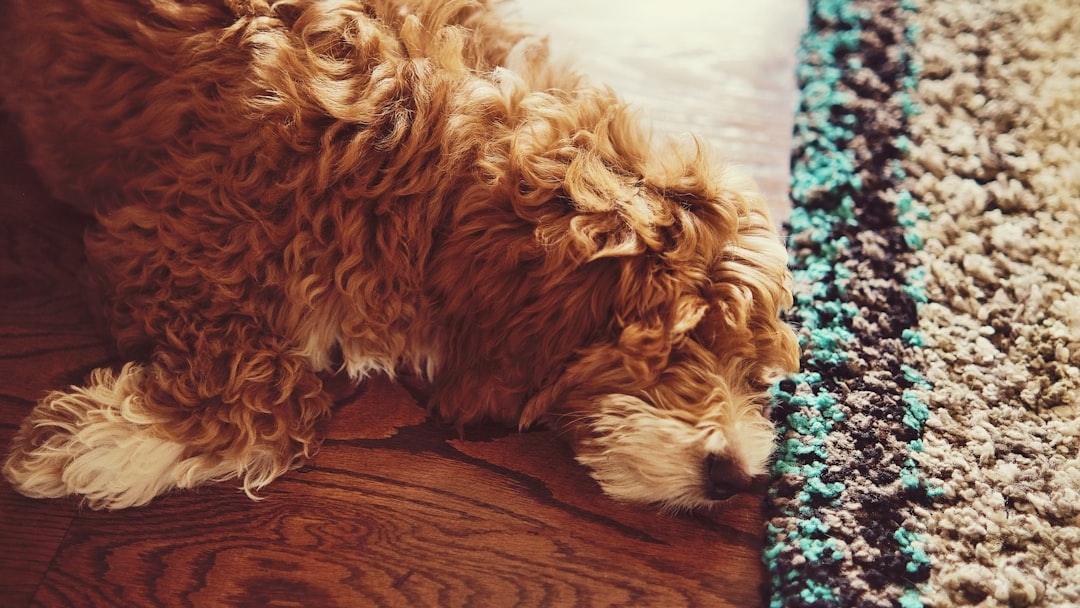
Dog hair embeds itself into carpet fibres through static electricity and friction. The hair also absorbs moisture from the carpet, causing it to swell slightly and grip the fibres more tightly. This is why dry vacuuming alone often fails—the hair is mechanically locked in place. You need to both lift it (breaking the static and mechanical grip) and dislodge it (breaking the moisture bond) before vacuuming removes it.
Step-by-Step: How to Get Dog Hair Out of Carpet
Step 1: Dry Rubber Broom (5 minutes)
This is the secret weapon professionals use. A rubber broom or rubber broom attachment (£3-8 from Dunelm, John Lewis, or B&M) breaks static electricity and lifts hair from carpet fibres without damaging the carpet. Work in one direction, using short strokes and firm pressure. You’ll see a visible line of dog hair accumulating in front of the broom. Collect this into a pile and dispose in the bin.
Why this works: rubber creates friction that lifts hair, unlike traditional bristles which push through or compress the carpet. The dry rubber method removes approximately 60-70% of dog hair in the first pass. This is why it must come first—it prepares the carpet for vacuuming.
Step 2: Vacuuming (5-10 minutes)
After rubber-brooming, vacuum thoroughly using overlapping passes. A standard upright or cylinder vacuum works fine. Your vacuum should have decent suction (check reviews for “pet hair” ratings, £100-300 for quality models, though budget models at £60-100 also work). Make 2-3 passes over each area. Vacuuming removes the loosened hair and the loose surface debris the broom lifted.
Skip this step and you’ve only removed surface hair. Combined with the rubber broom, vacuuming removes approximately 85% of dog hair from your carpet.
Step 3: Damp Cloth and Vinegar Treatment (10 minutes)
Fill a spray bottle with equal parts white vinegar and water (approximately 250ml vinegar, 250ml water). Lightly mist the carpet—not soaking it. Let sit for 3-5 minutes. The vinegar loosens the moisture bond between hair and carpet fibres, and also breaks down any remaining hair residue. Wipe with a damp cloth in firm strokes. You’ll see additional hair come loose. Collect this and discard.
Why this works: vinegar is acidic and cuts through the moisture bond that helps dog hair grip carpet fibres. This is why this step is essential for deep removal. After this step, you’ve removed approximately 95% of embedded dog hair.
Step 4: Final Vacuuming (5 minutes)
Vacuum once more to remove the loosened hair from the vinegar treatment. Use 2-3 overlapping passes. Your carpet now has minimal visible dog hair. Most people stop here and are satisfied. You’ve achieved 95%+ removal using £5-10 worth of tools and 20-30 minutes of effort.
Budget Tools Comparison: Cost vs. Effectiveness
Rubber Broom (£3-8)
Effectiveness: 70%. Cost per use over 2 years: less than 1p. Essential first step. Best budget tool available. Alternatives (lint rollers, balloons) work but are slower and less effective.
Standard Upright Vacuum (£60-150)
Effectiveness: 50% when used alone, 20% of total when combined with rubber broom. A good vacuum lasts 5-7 years. If you already own one, no additional cost. Budget vacuums (Tesco, Argos, Dunelm own-brand) work adequately. Professional models cost £200-400 but aren’t necessary for occasional dog hair removal.
White Vinegar (£1-2)
Effectiveness: 10-15% additional removal. Cost per carpet clean: 20-40p. Multi-purpose; not exclusively for pet hair. Essential third step. No adequate substitute for loosening embedded hair.
Optional: Lint Rollers (£2-5)
Effectiveness: excellent for spot cleaning, terrible for whole carpets (requires 30+ rollers for one room). Cost per room: £6-15. Best for small areas or furniture rather than entire carpets. Not cost-effective for full-carpet removal.
Not Worth It: Commercial Pet Hair Removal Sprays (£8-15)
Effectiveness: comparable to vinegar, often less effective. Cost per use: significantly higher than vinegar. Skip these and use vinegar instead.
Dog Hair Removal: Rubber Broom vs. Traditional Vacuum
These are often confused as alternatives, but they’re actually complementary. A rubber broom lifts hair that a vacuum cannot reach. A vacuum removes hair that a rubber broom cannot collect. Using only a vacuum on dog hair-covered carpet leaves approximately 30-40% of hair embedded. Using only a rubber broom leaves loose hair scattered. Together, they remove 95%+. Don’t choose between them—use both in sequence.
Preventive Measures: Reduce Dog Hair Accumulation
Daily or Weekly Dog Brushing
Brush your dog 3-5 times weekly using a slicker brush or shedding tool (£5-15). This removes loose hair before it falls into your carpet. Takes 10-15 minutes per session. Reduces carpet dog hair by 40-50%. Cost: one brush lasts 1-2 years. Savings: reduces cleaning frequency by 50%, saving £50+ annually in cleaning products and time.
Area Rugs in High-Traffic Areas
Place washable rugs (£10-30 from Dunelm or Argos) in areas where your dog spends most time. Wash these weekly. This concentrates dog hair in removable rugs rather than your permanent carpet. Dramatically reduces permanent carpet soiling.
Dog Grooming Appointments
Professional grooming (£30-60 every 6-8 weeks) removes dead hair before it reaches your home. Significantly reduces home cleanup needs. Costs approximately £5 monthly but saves £15-30 monthly in cleaning time and products.
FAQ: Removing Dog Hair from Carpet
How often should I remove dog hair from my carpet?
Vacuum twice weekly if you have a shedding dog. Deep-clean (rubber broom + vinegar treatment) monthly or whenever dog hair becomes visibly embedded. Weekly prevention (brushing your dog) reduces these frequencies significantly. Most people discover that 10 minutes of dog brushing weekly prevents needing 30 minutes of carpet cleaning monthly.
Can I use a steamer to remove dog hair?
No. Steamers add moisture, which causes dog hair to grip carpet fibres more tightly. Steam followed by immediate vacuuming can work, but you’re fighting against the moisture—it’s inefficient. The dry rubber broom method is far more effective and doesn’t risk moisture damage to your carpet.
Why doesn’t my vacuum pick up dog hair?
Because dog hair is mechanically locked in carpet fibres through static electricity and moisture bonds. Vacuuming alone cannot break these bonds. Use the rubber broom first to lift and break static, then vacuum. This combination works when vacuuming alone fails.
Is professional carpet cleaning necessary for dog hair?
No. Professional cleaning costs £150-300 and removes dog hair, but the DIY sequence achieves 95%+ of results for £5-15. Professional cleaning is worthwhile for deep carpet stains or odours, but for dog hair removal alone, the DIY method is superior value.
How do I remove dog hair from carpet edges and corners?
These areas trap hair because vacuum hoses don’t reach effectively. Use the rubber broom in short strokes along edges. Use a lint roller for small corners. The rubber broom is effective in tight spaces because it’s small and flexible. Don’t skip edges—they’re where hair accumulates most visibly.
Quick Supplies Checklist
- Rubber broom (£3-8) – essential first step
- Vacuum with decent suction (most people already own)
- White vinegar (£1-2 bottle)
- Spray bottle (£1, or repurpose an old one)
- Optional: lint rollers (£2-5) for spot-cleaning furniture
- Optional: dog slicker brush (£5-10) for prevention
Total investment for full setup: £12-25. This investment eliminates dog hair from carpet permanently (until your dog sheds again). Compare to one professional cleaning session (£150-300), and the DIY approach saves 90%+ in cost while giving superior control and results.
Start Your Carpet Cleanup
Get dog hair out of your carpet this weekend using the rubber broom + vacuum + vinegar sequence. You’ll be shocked at how much hair comes up even after you’ve already vacuumed. Budget £5-15 for tools, 30 minutes for effort, and prepare for surprisingly good results. Once you’ve completed the deep clean, prevent future accumulation by brushing your dog weekly and repeating the full sequence monthly. Your carpet will look and feel cleaner immediately, and you’ll spend a fraction of what professional cleaning costs. The secret is knowing the right sequence—rubber broom first, vacuum second, vinegar treatment third, final vacuum last. Stick to this order and dog hair removal becomes simple, effective, and affordable.