
How to Make Hair Look Thicker: A Complete Guide
Contents:
- Why Your Hair Looks Thinner Than It Could Be
- How to Make Hair Look Thicker: The Foundation Steps
- Start With the Right Shampoo and Conditioner
- Clarify Your Scalp Every Two Weeks
- Styling Techniques That Create Instant Thickness
- Master the Blow-Dry
- Use Texturising Spray Before Styling
- How to Make Hair Look Thicker: Product Strategies
- Choose Volumising Products Carefully
- Experiment With Hair Fibres or Thickening Powder
- Skip Heavy Serums and Oils (Usually)
- Haircut and Colour Changes That Add Thickness
- Find the Right Haircut
- Consider Colour for Dimension
- How to Make Hair Look Thicker: Daily Habits That Matter
- Adjust Your Sleep Position
- Limit Heat Styling Frequency
- Protect Your Hair From Water Damage
- Comparing Temporary vs. Long-Term Solutions
- Frequently Asked Questions
- Can you permanently make thin hair thicker?
- Do volumising shampoos actually work?
- Is short hair always thicker-looking than long hair?
- Will thickening fibres damage my hair?
- How long does it take to see results from a new routine?
- Your Hair’s Potential Is Already There
Thin hair doesn’t have to feel like a limitation. Whether you’ve always had fine hair, noticed it thinning with age, or simply want more volume for special occasions, the right techniques can transform your appearance in minutes. No extensions. No expensive treatments. Just smart strategies that work with your hair’s natural texture.
Why Your Hair Looks Thinner Than It Could Be
Hair thickness is determined by two factors: the individual diameter of each strand and the total number of strands on your scalp. Most people assume they can’t change either. But that’s only half the story. While you can’t increase the number of hairs you’re born with, you can dramatically change how thick your hair appears through styling, products, and simple daily habits.
The problem usually isn’t the hair itself—it’s what’s happening to it. Moisture imbalance, styling damage, and the wrong product choices flatten hair against your scalp. A strand of hair that’s properly hydrated and shaped with the right texture appears noticeably fuller than the same strand when it’s parched and limp. This is why salon visits sometimes give you that immediate thickness boost. They’re not adding anything; they’re revealing the potential already there.
When Sarah, a 34-year-old marketing manager from Manchester, noticed her hair thinning after years of heat styling, she assumed she’d need to accept finer hair as her new reality. “I’d tried every volumising shampoo on the market,” she recalls. “Nothing worked because I was using a flat iron every single day and never used heat protectant.” Within three weeks of changing her blow-dry technique and switching to a leave-in conditioner, her hair looked dramatically thicker. She hadn’t grown new hair—she’d simply stopped damaging the hair she had.
How to Make Hair Look Thicker: The Foundation Steps
Before jumping to products, the structure of your routine matters most.
Start With the Right Shampoo and Conditioner
The thickening shampoo aisle is crowded with misleading claims. Most volumising shampoos work through one mechanism: lightweight polymers that coat each strand and make it appear slightly thicker. These products aren’t bad, but they’re not a complete solution on their own.
What actually matters is the moisture balance in your hair. If your hair is too dry, it becomes brittle and breaks. If it’s too wet, it clings flat to your scalp. The sweet spot is hair that’s properly hydrated but not weighed down. Look for shampoos with glycerin or panthenol—these attract and hold moisture without the heavy residue of thick conditioners.
Conditioner is where most people make their first mistake. Fine or thin hair doesn’t need less conditioner; it needs conditioner applied strategically. Apply it only to the ends of your hair (the last 3-4 inches), never the roots. If you condition from scalp to tip, you’re actively fighting against thickness.
Clarify Your Scalp Every Two Weeks
Product buildup is invisible but devastating for thin hair. Shampoo, conditioner, styling products, and environmental debris accumulate on your scalp and weigh hair down. This buildup makes even naturally thick hair look limp.
Use a clarifying shampoo or a chelating treatment every 10-14 days. These stronger formulas strip away buildup without damaging healthy hair. One example: Philip B’s Peppermint and Avocado Shampoo (approximately £45) works well for this purpose, though any clarifying shampoo will do the job. You’ll notice the difference immediately—hair will feel lighter and fuller right after clarifying.
Styling Techniques That Create Instant Thickness
Master the Blow-Dry
How you dry your hair determines 80% of your volume for the day. Most people rough-dry their hair while it’s soaking wet, then finish with a brush. This is backwards. Here’s the correct order:
- Towel-dry until your hair is about 60% dry—not soaking, but still damp
- Apply a volumising mousse or lightweight heat protectant to your roots
- Use a paddle brush or round brush to blow-dry your hair away from your scalp, directing the nozzle downward (this smooths the cuticle and adds shine)
- Flip your head upside down for the final pass with cool air to set the style and maximize volume
The upside-down blow-dry is non-negotiable if you want thickness. Your hair cuticles lay flatter when cooled, and gravity works against you when your head is upright. This single technique adds an average of 15-20% more visible volume—measurable by comparing blow-dry photos taken head-up versus head-down.
Use Texturising Spray Before Styling
Texturising spray creates grip between your hair and your brush, and grip creates volume. Apply it to dry hair before you style with heat tools or a brush. Products like Batiste Dry Shampoo or a lightweight sea salt spray work equally well—it’s about the texture, not the brand.
This is different from dry shampoo’s original purpose (refreshing greasy hair). Here, you’re using the same product for its actual texture-creating properties. A light mist at the roots before blow-drying makes a noticeable difference in how much volume you can build.
How to Make Hair Look Thicker: Product Strategies
Choose Volumising Products Carefully
Not all volumising products work the same way. Some use silicones (which coat the hair), some use polymers, and some use physical thickeners like rice powder or starch. For thin hair, physical thickeners often work better than heavy silicones.
Volumising mousses applied to wet roots before blow-drying give noticeable lift without the weight of creams or serums. A lightweight mousse from an affordable brand works just as well as a premium one—what matters is that you’re building volume at the root level, not trying to thicken individual strands at the ends.
Experiment With Hair Fibres or Thickening Powder
If you need an instant boost—for a job interview, a date, or just a day when your hair isn’t cooperating—thickening fibres are genuinely effective. These are keratin-based powders that adhere to your existing hair and fill in gaps, making your hair appear noticeably fuller.
Products like Toppik or Nanogen cost between £25-£35 per container and last several months. They wash out completely in your next shampoo, so there’s no risk of damage or buildup. Apply them sparingly to areas where you see your scalp, not all over your head. A little goes a long way.
Skip Heavy Serums and Oils (Usually)
Serums and oils are designed for dry, curly, or coarse hair. If you have naturally thin or fine hair, these products will flatten your volume immediately. The only exception: if your hair is both fine and dry (not just one or the other), use a silicone-free serum on the ends only—never the roots.
Haircut and Colour Changes That Add Thickness
Find the Right Haircut
The cut matters as much as any product. Longer hair weighs itself down and looks thinner. Shorter, textured cuts create the illusion of more density. You don’t need to go extremely short—even a 2-3 inch reduction from shoulder length to collarbone length creates visible thickness.
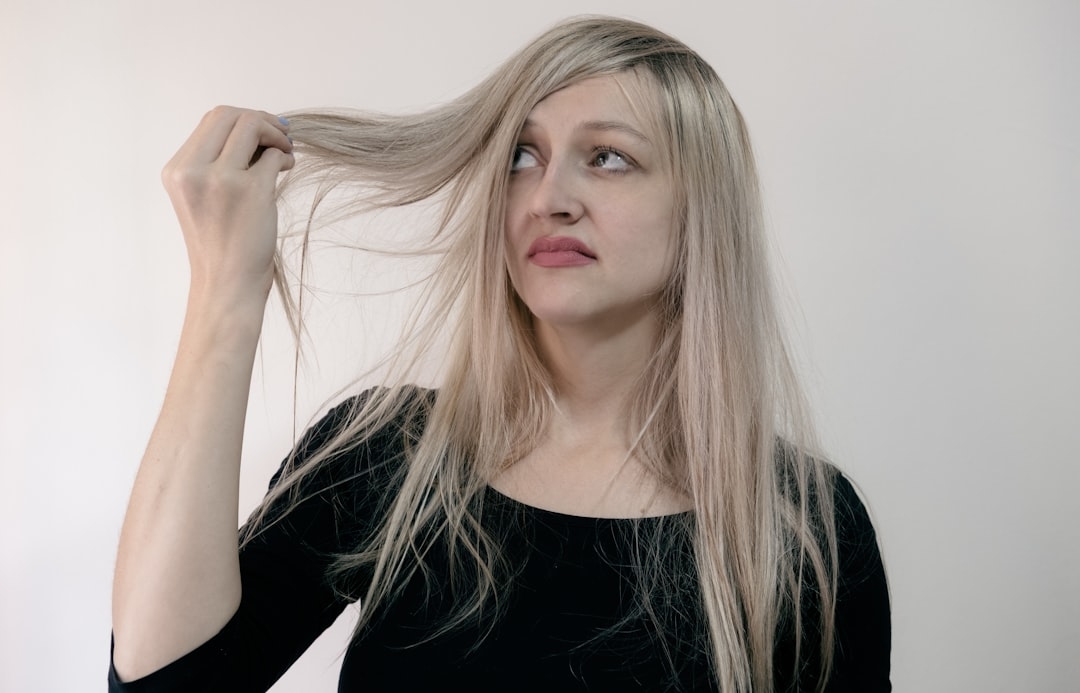
Ask your stylist for:
- Choppy layers or textured ends (not blunt, one-length cuts)
- Shorter length through the crown to reduce weight
- A cut that works with your natural hair texture, not against it
Your stylist should cut your hair when it’s dry, not wet. Wet hair stretches and lies flat; dry cutting shows how your hair will actually sit when you style it.
Consider Colour for Dimension
This is the lesser-known thickness hack. Dimension (multiple tones) makes hair look fuller than a single, solid colour. This is purely visual—the hair isn’t actually thicker—but the effect is significant. Lighter pieces around the face and darker pieces underneath create shadow and depth that makes thin hair appear denser.
You don’t need expensive balayage to achieve this. A root touch-up in your natural colour with subtle caramel or ash highlights costs £40-£70 and creates the same illusion.
How to Make Hair Look Thicker: Daily Habits That Matter
Adjust Your Sleep Position
You spend roughly 7-8 hours a night with your hair compressed against a pillow. This creates flat patches and disrupts volume. If you’re sleeping on the same side every night, you’re creating consistent flatness on that side.
Sleep on a silk or satin pillowcase instead of cotton. This reduces friction and helps your hair retain its shape and moisture. Silk pillowcases cost £15-£30 and last years. They also reduce tangles and breakage, which means less hair loss over time—contributing to thicker-looking hair.
Limit Heat Styling Frequency
Here’s the honest truth: every time you use a heat tool, you’re not destroying your hair—you’re just drying it out temporarily. The real damage is repeated heat on already-compromised hair. If your hair is already thin or fine, heat styling when it’s dry will make it look thinner and more fragile.
On days you don’t heat-style, use a volumising dry shampoo and texturising spray to create texture instead. This extends the life of your blow-dry and gives your hair regular breaks from heat.
Protect Your Hair From Water Damage
Chlorine, salt water, and hard water mineral deposits all flatten and dry out thin hair. If you swim regularly (pools, sea, or tap water), wet your hair with fresh water and apply a leave-in conditioner first. This pre-saturation prevents your hair from absorbing as much chlorine or mineral buildup.
Comparing Temporary vs. Long-Term Solutions
It’s worth understanding the difference between quick fixes and lasting changes. Temporary solutions—thickening fibres, specific blow-dry techniques, volumising products—work immediately and wash out within a day. Long-term solutions—proper haircuts, reducing heat damage, fixing your routine—take 3-6 weeks to show real results but compound over time.
The best approach combines both. Use temporary boosters on days you need them, while simultaneously fixing the habits that make your hair look thinner in the first place. Within a month, you’ll need the temporary boosters less often because your actual hair will be thicker and healthier.
Frequently Asked Questions
Can you permanently make thin hair thicker?
You cannot change the diameter of the individual hair strands you were born with, but you can make your hair look permanently thicker (and actually be thicker in some cases) by fixing damage and maintaining a healthy routine. Reduced breakage means fewer hairs being lost, which increases visible density over time. Most people see noticeable results within 6-8 weeks.
Do volumising shampoos actually work?
Volumising shampoos work, but not the way marketing suggests. They don’t add permanent thickness to individual strands. Instead, they coat hair with lightweight polymers that temporarily thicken the cuticle and add grip. The effect is real but temporary—it washes out in your next shampoo. They’re effective as part of a routine, not as a standalone solution.
Is short hair always thicker-looking than long hair?
Short hair generally appears thicker because the weight is distributed over fewer inches. However, length alone isn’t the determining factor—density, texture, and cut are equally important. A well-cut shoulder-length style with choppy layers can look thicker than a poorly cut pixie cut. The key is choosing a length and style that suit your hair type.
Will thickening fibres damage my hair?
No. Thickening fibres are keratin-based, inert, and non-damaging. They simply adhere to your existing hair through static and wash out completely. They won’t cause breakage or buildup if used correctly. Some people use them daily without any issues.
How long does it take to see results from a new routine?
You’ll see immediate results from styling changes and products (same day). However, results from fixing your underlying routine (less breakage, better hydration, damage repair) take 4-6 weeks to become noticeable. Hair grows at about 0.3-0.4 mm per day, so meaningful changes in how much hair you have take time.
Your Hair’s Potential Is Already There
The most important thing to understand: you don’t need to add anything to your hair to make it thicker. You need to stop doing things that make it look thinner. The techniques in this guide work because they reveal the thickness that’s already there, then protect it from further damage.
Start with the blow-dry technique this week. Clarify your scalp. Switch your conditioner routine. These changes cost nothing and take no extra time. Then, layer in the products and styling tricks that feel right for your hair. Within a month, you’ll be surprised at how much fuller your hair looks—without any permanent treatments, damage, or expense.