
How to Grow Facial Hair: A Complete Guide for Beginners
Contents:
- Understanding Your Facial Hair Growth Basics
- The Growth Phases You’ll Experience
- Week 1–2: The Stubble Stage
- Week 3–6: The Awkward Phase
- Week 7–12: The Transformation Phase
- Month 4+: The Established Beard Phase
- Preparing Your Skin for Facial Hair Growth
- Cleanse Properly
- Exfoliate Once Weekly
- Moisturise Daily
- The Role of Nutrition and Lifestyle
- Protein Intake Matters
- Biotin and B Vitamins
- Sleep and Stress Management
- Hydration
- Grooming Tools You’ll Need
- A Quality Beard Brush
- Beard Oil or Balm
- Beard Scissors or Trimmer
- Comb
- Managing the Itching and Discomfort
- Styling Your Growing Beard
- Don’t Rush the Styling Phase
- Trimming Etiquette
- Line Definition
- Cost Breakdown for Growing Facial Hair
- Common Mistakes to Avoid
- Quitting Too Early
- Neglecting Skin Care
- Using the Wrong Products
- Over-Trimming
- Ignoring Lifestyle Factors
- Knowing When to Seek Professional Help
- Your Month-by-Month Progress Checklist
- Frequently Asked Questions
- How long does facial hair take to grow?
- Can I speed up beard growth?
- What if my beard grows unevenly or patchily?
- Should I trim my beard whilst growing it?
- Is beard oil necessary?
- Your Beard-Growing Future Starts Now
The beard has been a symbol of masculinity, rebellion, and distinction for thousands of years. Ancient Egyptians spent considerable time grooming their beards with oils and dyes, while Vikings braided theirs with pride. Even Socrates famously said the beard was “a gift that separates man from boy.” Today, growing facial hair remains a rite of passage for many—though perhaps with better products than what ancient civilisations had at their disposal.
Understanding Your Facial Hair Growth Basics
Before you start your beard-growing journey, it’s worth understanding what actually happens on your face. Facial hair growth is driven by testosterone and genetic factors. Your genetics determine the density, colour, and texture of your beard before it even appears. This is why some men can grow a thick, full beard in weeks, whilst others need months for visible results. Neither situation is wrong—it’s simply biology.
The average man’s facial hair grows approximately 0.4mm per day, or about 5 inches per year. If you’re aiming for a substantial beard, expect to wait between three and six months to see meaningful length. During this time, your facial hair will progress through distinct phases.
According to Dr. Marcus Whitfield, a trichologist at the London Hair Institute, “The first six weeks are critical for establishing your growth pattern. Most people give up too early because the awkward phase feels uncomfortable. That’s a mistake—persistence is your most valuable grooming tool right now.”
The Growth Phases You’ll Experience
Week 1–2: The Stubble Stage
Your beard will be noticeably dark and stubbly. It might feel coarse or itchy as the hairs are short and newly emerged. This is perfectly normal. The itchiness often stems from ingrown hairs and dry skin underneath, not the hairs themselves.
Week 3–6: The Awkward Phase
Your stubble has grown longer but remains short and patchy. This is when many men quit. The hairs are visible enough to look unkempt but not long enough to look intentional. Resist the urge to trim or shave. This phase typically lasts until your beard reaches around half an inch in length.
Week 7–12: The Transformation Phase
By week eight or nine, your beard will start appearing fuller and more deliberate. The individual hairs have grown long enough to connect, creating a more uniform appearance. This is when you’ll actually start enjoying the process. Your friends will begin complimenting your choice instead of asking if you’ve simply forgotten to shave.
Month 4+: The Established Beard Phase
After four months, you’ll have a respectable beard that clearly shows your commitment. The hair is long enough to style and shape. This is when serious grooming begins—not just growth, but intentional development.
Preparing Your Skin for Facial Hair Growth
Healthy facial hair starts with healthy skin. Think of your face as the soil and your beard as the crop—you need to tend to both.
Cleanse Properly
Start using a gentle beard wash or facial cleanser designed for facial hair. Regular body soap or standard shampoo can leave residue and dry out your skin. Wash your face twice daily—morning and night. This removes dead skin cells and excess oil that trap moisture and cause itchiness.
Exfoliate Once Weekly
Exfoliation removes the dead skin layer that often traps growing hairs underneath, causing ingrown whiskers and irritation. Use a soft exfoliating scrub or a gentle chemical exfoliant (containing AHA or BHA) once per week. Never exfoliate more than twice weekly—you’ll damage the delicate skin underneath.
Moisturise Daily
This is non-negotiable. Growing a beard dries out the skin beneath it because your sebum can’t travel down the longer hair shaft as easily. Apply a moisturiser designed for facial hair growth daily, preferably right after showering when your skin is still slightly damp. A good quality beard oil or balm underneath the hair plus a light facial moisturiser on the skin itself creates an ideal growing environment.
The Role of Nutrition and Lifestyle
Your facial hair reflects your overall health. You can’t out-product poor nutrition and lifestyle choices.
Protein Intake Matters
Hair is 95 percent keratin, a protein structure. Aim for at least 50 grams of protein daily. Good sources include chicken, fish, eggs, and legumes. Research published in the Journal of Dermatological Treatment found that men with higher protein intake experienced faster, thicker hair growth within twelve weeks.
Biotin and B Vitamins
Biotin supports keratin production. Whilst your body naturally produces biotin, supplementation (2.5mg daily) has shown modest improvements in hair strength and texture. B vitamins—particularly B5, B7, and B12—support hair follicle health. A standard B-complex vitamin covers these bases affordably, typically costing £5–8 per month.
Sleep and Stress Management
Growth hormone is released during deep sleep. Aim for seven to nine hours nightly. Chronic stress elevates cortisol, which can slow beard growth and increase hair shedding. Even simple practices like a fifteen-minute daily walk or basic meditation improve growth outcomes measurably.
Hydration
Drink plenty of water. Dehydrated skin becomes dry, flaky, and irritable—exactly what you don’t want when growing a beard. Aim for at least two litres daily, more if you exercise regularly.
Grooming Tools You’ll Need
You don’t need an elaborate grooming kit, but having the right tools prevents frustration and improves results.
A Quality Beard Brush
Starting around week four, invest in a natural bristle beard brush (boar hair is ideal). This trains your hairs to grow in the desired direction and distributes natural oils throughout. Cost: £12–25.
Beard Oil or Balm
These aren’t luxuries—they’re essentials. Beard oil softens coarse hairs and hydrates the skin underneath. Balms provide mild hold for shaping. Apply oil daily, balm as needed. Good brands in the UK include Bulldog (around £8), Proraso (£6–10), and Beardbrand (£15–20 per product).
Beard Scissors or Trimmer
Keep the beard edges neat without cutting overall length. A basic electric trimmer (£15–40) or a pair of beard scissors works well. Only trim stray hairs outside your desired outline; don’t shape the beard itself yet.
Comb
A wide-tooth comb helps detangle longer beards without damage. Avoid fine-tooth combs on growing beards. Cost: £5–12.
Managing the Itching and Discomfort
Beard itch peaks around week two to week four. This is temporary, but understanding why helps you manage it.
Itching occurs because newly grown hairs are blunt-ended. As they emerge, they can irritate the skin or curl back and create ingrown hairs. The skin underneath hasn’t adapted to being covered. Daily moisturising reduces this dramatically. Apply beard oil twice daily during weeks two through six, then once daily afterwards.
A beard brush also helps. Daily brushing encourages hairs to grow outward rather than curling back into the skin. Even gentle brushing for two minutes daily reduces itch significantly by week three.
If itching becomes severe, consider a beard balm with soothing ingredients like jojoba oil or argan oil. Proraso’s Green Tea and Oat beard balm (£8–10) is specifically designed to calm irritation during growth phases.
Styling Your Growing Beard
Don’t Rush the Styling Phase
Until your beard reaches three months of growth, focus on cleanliness and direction rather than style. Brush it downward and outward daily. This establishes your preferred growth pattern and prevents the awkward, patchy look.
Trimming Etiquette
Only trim the perimeter and stray hairs during the growth phase. Many beginners make the mistake of “tidying up” the entire beard, which undoes their growth progress. Save detailed shaping for month four onwards, when you have enough length to work with.
Line Definition
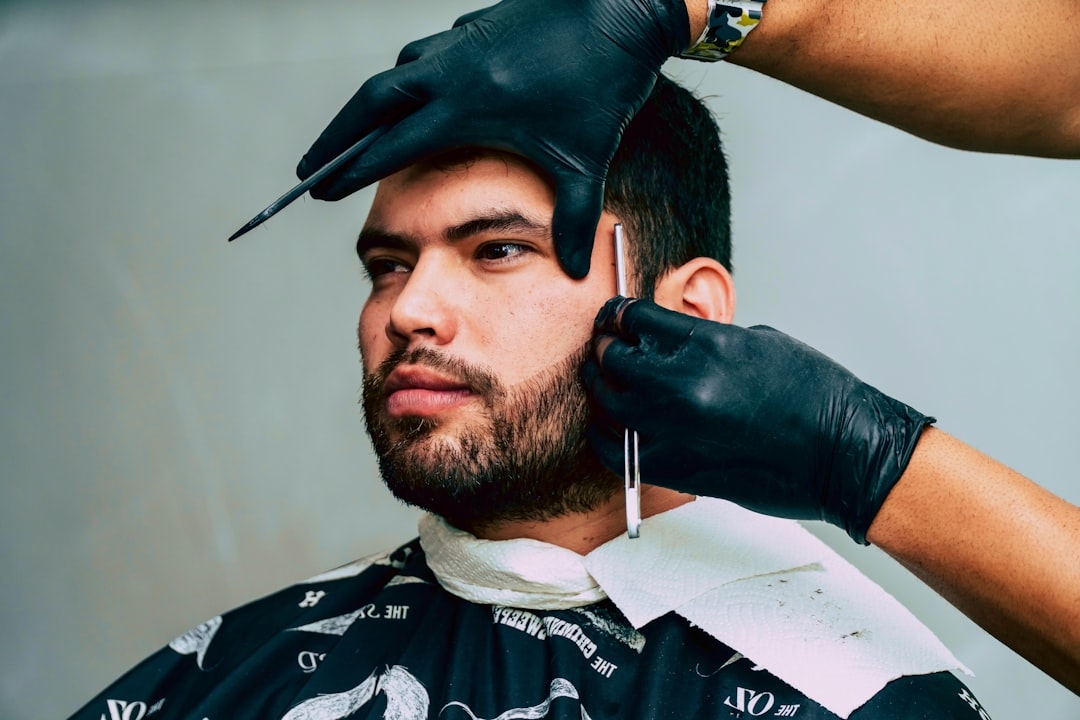
By week six to eight, establish clean neck and cheek lines with a beard trimmer. Use the guideline guard to keep lines sharp without cutting into the beard itself. This single step makes even a short beard look intentional rather than neglected.
Cost Breakdown for Growing Facial Hair
Growing a healthy beard doesn’t require expensive products, though quality matters. Here’s a realistic budget estimate for your first year:
- Beard wash (monthly): £3–6 — One bottle lasts 4–6 weeks
- Beard oil (monthly): £2–5 — A small bottle lasts 6–8 weeks
- Beard balm (as needed): £5–8 per jar — One jar lasts 2–3 months
- Brush and comb (one-time): £17–37 — Quality tools last years
- Trimmer (one-time): £20–50 — A decent electric trimmer is a solid investment
- Optional biotin supplement (monthly): £5–8 — Not essential but helpful
- Total first year estimate: £80–150
This includes everything you need. Budget brands like Bulldog and The Ordinary offer excellent value. Premium brands like Beardbrand and Baxter of California cost more but aren’t necessary for successful growth.
Common Mistakes to Avoid
Quitting Too Early
The majority of beard attempts fail between weeks three and six when the awkward phase peaks. Push through. By week eight, your beard will look dramatically better.
Neglecting Skin Care
Many men focus on beard products but ignore the skin underneath. This leads to itching, flaking, and discomfort. Your skin care routine is just as important as your beard care routine.
Using the Wrong Products
Head shampoo and body soap are too harsh for facial hair. They strip natural oils and cause excessive dryness. Invest in a dedicated beard wash—it’s worth every penny.
Over-Trimming
You can’t grow a long beard if you keep trimming it. During the growth phase, trim only the perimeter and absolutely stray hairs. Resisting the urge to “tidy up” is harder than it sounds but essential.
Ignoring Lifestyle Factors
Poor sleep, high stress, and inadequate nutrition slow growth visibly. A healthy beard starts with healthy living. These factors matter more than product selection.
Knowing When to Seek Professional Help
Most men grow facial hair without issues. However, certain situations warrant professional advice:
- Patchy growth after six months: A dermatologist can assess whether underlying conditions are affecting growth
- Severe ingrown hairs or folliculitis: A barber or dermatologist can recommend specific treatments
- Extreme itching despite moisturising: This sometimes indicates a skin condition requiring medical attention
- Significant hair loss: If your beard is shedding excessively, consult a healthcare professional
Your Month-by-Month Progress Checklist
Month 1: Establish a daily cleansing and moisturising routine. Start applying beard oil. Expect stubble and itching. Don’t shave or trim.
Month 2: Begin using a beard brush daily. Beard shape is becoming visible. Itching should be declining. Define neck and cheek lines only.
Month 3: Your beard is now recognisably a beard, not stubble. It’s long enough to show texture and colour variation. Maintain daily care; don’t attempt major styling yet.
Month 4–6: You have a full, established beard. Now you can experiment with styles, shapes, and products. Consider visiting a barber for professional shaping.
Frequently Asked Questions
How long does facial hair take to grow?
A basic, recognisable beard typically takes three to four months. A longer, fuller beard requires six months to a year. Growth rate varies individually—genetics play the largest role.
Can I speed up beard growth?
Genetics dictate your maximum growth rate, but optimal nutrition, sleep, and stress management help you achieve your genetic potential faster. Biotin supplements may provide modest improvements. No product can fundamentally change your growth rate.
What if my beard grows unevenly or patchily?
Uneven growth is common and usually normalises as hair lengthens. The longer your beard, the more visible hair fills gaps. If patches persist after six months with excellent care, genetic variation is likely the cause—this is normal and nothing is “wrong.”
Should I trim my beard whilst growing it?
Trim only the perimeter and stray hairs during growth phase. Don’t shape the entire beard or trim the overall length. Once you’ve reached your desired length (month four plus), you can trim and shape more liberally.
Is beard oil necessary?
Beard oil significantly improves comfort and appearance, especially during growth. It’s not strictly necessary, but it’s affordable and makes a measurable difference in reducing itching and promoting healthy growth.
Your Beard-Growing Future Starts Now
Growing facial hair is straightforward once you understand the process and commit to consistency. The real challenge isn’t complexity—it’s patience and resisting the urge to shave during week four. Honour the awkward phase, maintain your skin and beard care routine, and by month three or four, you’ll have a beard you’re genuinely proud of.
Start today. Cleanse your face, apply moisturiser and beard oil, and let your genetics do the work. In three months, you’ll look back and wonder why you didn’t start sooner. The best time to grow a beard was yesterday; the second-best time is right now.