How Long Is 20 Inch Hair?
Contents:
- Understanding Hair Length Measurement
- Where 20 Inch Hair Sits on the Body
- 20 Inch Hair vs. Similar Lengths: The Common Confusion
- Growing to 20 Inch Hair: Timeline and Seasonal Factors
- Styling 20 Inch Hair: Practical Options
- Everyday Wearable Styles
- Formal and Special Occasion Styles
- Layered vs. Blunt Cuts
- Care Requirements for 20 Inch Hair
- Extensions vs. Growing Natural Hair to 20 Inches
- Frequently Asked Questions
- Will 20 inch hair look long on me?
- How many months does it take to grow 20 inch hair?
- Can I get 20 inch hair with extensions instead of growing it?
- Will my 20 inch hair get damaged easily?
- What’s the difference between 20 inches and bra strap length?
- Moving Forward: Next Steps for 20 Inch Hair Goals
Most people overestimate hair length. They assume 20 inches means hair that brushes the lower back. In reality, 20 inch hair typically ends somewhere between the shoulder and mid-chest, depending on frame size and posture. Getting this measurement right matters if you’re considering extensions, a cut, or tracking growth progress.
Understanding Hair Length Measurement
Hair length is measured in straight inches, typically from the crown (where hair growth begins) down to the longest point of the hair. This is a standard used by hairdressers, extension specialists, and those tracking growth regimes across the UK and beyond.
The measurement assumes hair is stretched straight and relaxed, not coiled, crimped, or styled upwards. Curly or wavy hair will appear significantly shorter when styled in its natural texture than when measured in a stretched state. For example, someone with coily hair that measures 20 inches stretched may only have 8-10 inches of visible length when dry and curled.
This distinction is crucial. When extension companies advertise 20 inch lengths, they’re selling hair that, when installed, will drape to a specific point on the body—but the visual impact depends entirely on your hair type and styling method.
Where 20 Inch Hair Sits on the Body
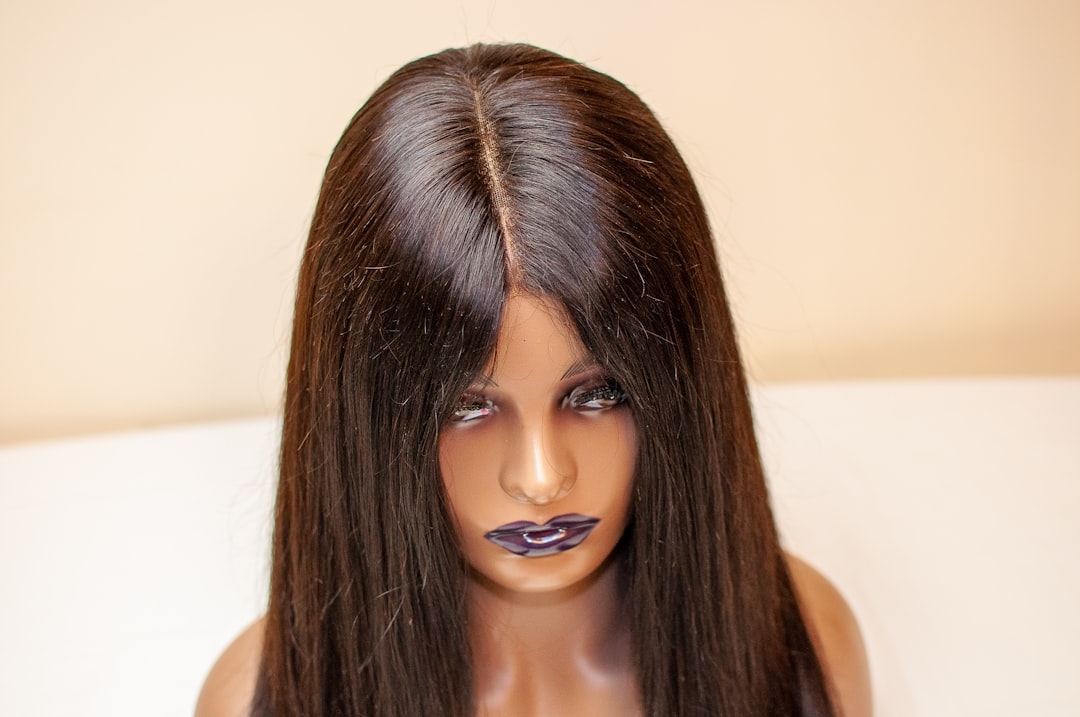
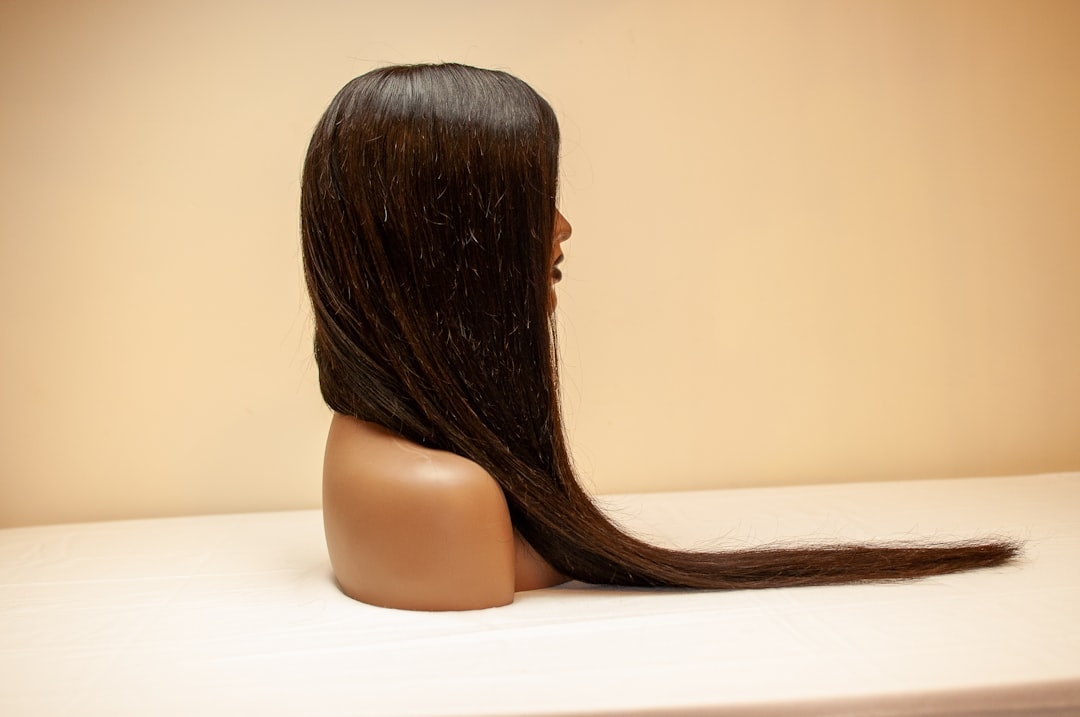
For most adults of average to tall height, 20 inch hair reaches the mid-chest area. On shorter individuals, it may touch the waist. On very tall people, it might end closer to the upper chest or collarbone area.
A reader, Sarah from Manchester, shared her experience: she grew her shoulder-length hair for 18 months and reached 20 inches just as spring 2026 arrived. She described it as “finally long enough to flip over my shoulder comfortably, but still short enough to not sit on.” Her frame is about 5’8″—average for the UK—and the length hit right at mid-chest height.
To visualise 20 inches on your own frame, measure from your shoulder down. Place a ruler or measuring tape vertically from the tip of your shoulder, running straight down your torso. Twenty inches will typically end somewhere between your collarbone and the middle of your ribcage.
20 Inch Hair vs. Similar Lengths: The Common Confusion
People frequently mix up 20 inch hair with 18 inch or 22 inch lengths. The differences are subtle but meaningful when it comes to styling flexibility and appearance.
- 18 inch hair: Falls to approximately the shoulder or just below. Often still short enough for everyday ponytails that sit high on the head. Offers less dramatic length but requires less styling effort.
- 20 inch hair: Reaches mid-chest and sits lower on the back. Allows for lower ponytails and more sophisticated updos. The sweetspot for versatility.
- 22 inch hair: Drops closer to the waist for average frames. Noticeably longer and requires more maintenance. Styling becomes more complex, and breakage risk increases without proper conditioning.
The two-inch difference between 18 and 20 inches is visible but subtle. The four-inch jump from 20 to 24 inches is far more dramatic. At 20 inches, you’re at a practical threshold where styling options expand significantly without entering the maintenance-heavy territory of true long hair.
Growing to 20 Inch Hair: Timeline and Seasonal Factors
If you’re starting from shorter hair, how long does it take to reach 20 inches? Human hair grows approximately half an inch per month on average, though this varies by genetics, age, and overall health. This means reaching 20 inches from a shoulder-length base (roughly 10-12 inches) would take between 16 and 20 months under ideal conditions.
Seasonal patterns affect growth perception. Hair may grow faster during spring and summer months (historically when nutrition from fresh produce increases in the UK diet), though the difference is modest. Autumn often brings more shedding, which can feel like hair is “shrinking” even if growth continues normally.
Winter months, particularly December through February, require extra attention to moisture. Cold air dries hair, split ends worsen, and many people trim more frequently during winter, slowing visible length progress. If you’re aiming for 20 inches by summer 2026, starting a growth regime in autumn 2025 would position you well.
Styling 20 Inch Hair: Practical Options
At 20 inches, your styling flexibility increases substantially compared to shoulder-length hair. Here are realistic styling options this length offers:
Everyday Wearable Styles
Low ponytails sit neatly at the nape of the neck with 20 inch length. Half-up styles work beautifully, with enough length to create volume without looking sparse. Loose waves and straightened styles both hang elegantly at this length, framing the face without requiring constant repositioning.
Formal and Special Occasion Styles
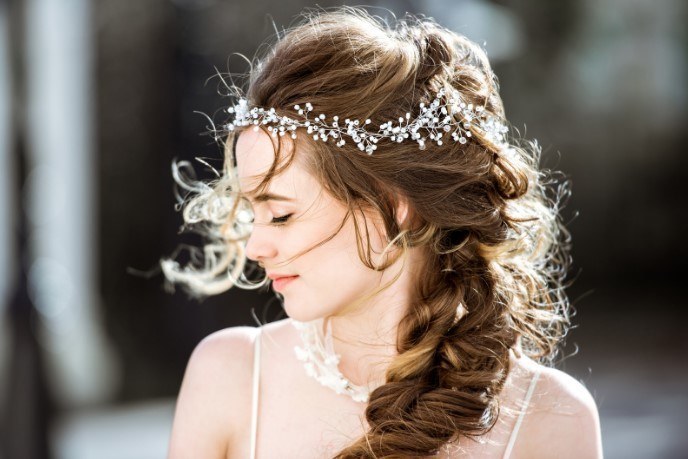
20 inch hair creates genuine options for updos. Low buns, twisted styles, and braided crowns all work effectively. The length is sufficient to create texture and complexity without hair falling out of styles within hours.
Layered vs. Blunt Cuts
At 20 inches, both blunt cuts and layered cuts look intentional rather than shapeless. A blunt cut creates a clean, bold statement. Layers add movement, though this slightly reduces visible length (typically by 1-2 inches depending on layering depth).
Care Requirements for 20 Inch Hair
Maintaining 20 inch hair requires commitment but remains manageable for most people. The most critical factor is moisture. Ends of hair this length have endured years of weather, washing, and manipulation. Dry ends lead to split ends, which travel up the hair shaft and affect overall appearance.
A simple maintenance routine includes: washing with moisturising shampoo no more than twice weekly, applying conditioner from mid-length to tips, and using a leave-in conditioner or hair oil on damp hair. Pricing for professional UK salon treatments typically ranges from £25-50 for a good conditioning treatment.
Trimming frequency matters. Removing 0.5 inches every 8-12 weeks prevents split ends from compromising length. This seems counterintuitive when growing hair, but it’s the fastest way to actually retain length long-term.
Heat styling accelerates moisture loss. If you straighten or curl 20 inch hair regularly, invest in a heat protectant spray (typically £8-15 in UK supermarkets) and limit heat use to 2-3 times weekly.
Extensions vs. Growing Natural Hair to 20 Inches
Some people prefer to install hair extensions rather than grow their hair naturally. Quality 20 inch clip-in or tape-in extensions range from £60-200 depending on quality and where you purchase in the UK. Professional installation adds another £40-100.
Extensions offer immediate length but require daily care and removal. They can stress natural hair if not applied or maintained correctly. Growing your own hair to 20 inches takes longer but produces permanent results with no installation costs or ongoing maintenance fees beyond normal hair care.
Frequently Asked Questions
Will 20 inch hair look long on me?
This depends on your height and frame. For most adults (5’4″ to 5’10”), 20 inch hair looks noticeably long without being dramatic. Shorter individuals may find it feels very long. Taller people may feel it’s modest. Your hair texture also matters—fine hair appears longer than thick hair at the same measurement.
How many months does it take to grow 20 inch hair?
From a short crop (3-4 inches), expect 24-30 months. From shoulder-length (10-12 inches), expect 16-20 months. Individual growth rates vary significantly based on genetics, age, diet, and scalp health.
Can I get 20 inch hair with extensions instead of growing it?
Yes. Quality human hair extensions in 20 inch length are available from specialist suppliers across the UK. Clip-in versions range from £60-150 and require no professional installation. Tape-in or bonded extensions cost more (£100-300) but last 6-8 weeks between maintenance.
Will my 20 inch hair get damaged easily?
Hair damage depends on care, not length. Properly maintained 20 inch hair stays healthy. Poor care practices (excessive heat, infrequent washing, no conditioning) damage all hair lengths equally. At 20 inches, ends are older and more vulnerable, so consistent conditioning is essential.
What’s the difference between 20 inches and bra strap length?
Bra strap length varies by body shape and bra style. For most women, 20 inch hair falls slightly above or at the bra strap line. The measurement (20 inches from crown) is precise, while “bra strap length” is visual and imprecise, making it less useful for actual styling planning.
Moving Forward: Next Steps for 20 Inch Hair Goals
Whether you’re growing naturally, considering extensions, or simply curious about this length, 20 inches represents a meaningful milestone. It’s long enough to open genuine styling doors while remaining manageable for most lifestyles. Starting a focused growth plan now positions you to achieve or maintain this length through 2026. Prioritise scalp health, consistent moisturising, regular trims, and realistic expectations about growth speed. Track your progress monthly with photos rather than endless measuring—visible change is often more motivating than fractional inch gains.