Is Honey Good for Your Hair? Natural Benefits and Practical Applications
Contents:
- Is Honey Good for Your Hair? The Science
- Honey’s Specific Hair Benefits
- How to Use Honey in Hair Treatments
- Honey Hair Mask (DIY)
- Honey Rinse for Scalp Health
- Leave-In Honey Conditioner
- Commercial Honey Hair Products vs DIY
- Honey Shampoos and Conditioners
- Who Benefits Most from Honey Treatments?
- Common Mistakes When Using Honey on Hair
- Honey and Specific Hair Concerns
- Scalp Psoriasis or Eczema
- Hair Loss
- Damaged, Bleached Hair
- Sustainability Angle: Why Honey Matters in 2026
- Budget Breakdown: Honey Hair Care
- Frequently Asked Questions
- Does honey make hair grow faster?
- Can I leave honey in my hair overnight?
- Is Manuka honey better for hair than regular honey?
- Will honey make blonde hair darker?
- Can I mix honey with other ingredients?
- Using Honey Wisely in Your Hair Routine
Honey has been used in beauty rituals for thousands of years, prized by Cleopatra and referenced in ancient Egyptian beauty texts. In 2026, honey remains a popular natural hair treatment ingredient, marketed in everything from conditioners to masks. Yet the reality of honey’s hair benefits is more nuanced than marketing claims suggest. Understanding what honey actually does helps you decide whether it’s worth incorporating into your routine.
Is Honey Good for Your Hair? The Science
Honey does offer measurable benefits for hair, though not quite the transformative results some marketing suggests. Honey is composed of glucose, fructose, amino acids, vitamins, and minerals—compounds that can genuinely support hair health. Research shows that honey-based treatments improve moisture retention, reduce frizz, and provide mild antimicrobial benefits.
However, honey is not a treatment that repairs damaged hair or dramatically accelerates growth. It’s a moisturising and protective ingredient—useful, but not revolutionary.
Honey’s Specific Hair Benefits
Honey works on hair through several mechanisms:
- Humectant properties: Honey attracts moisture from the environment and binds it to the hair shaft. This is particularly valuable in dry conditions or for dry hair types.
- Scalp health: Honey’s antimicrobial properties support a healthy scalp environment. Studies show honey can reduce dandruff and scalp irritation.
- Conditioning without heaviness: Unlike oils, honey conditions without weighing down fine or thin hair significantly.
- Natural shine: Honey seals the hair cuticle slightly, improving light reflection and natural shine.
- Sustainability angle: Honey is a renewable, natural ingredient aligned with the growing 2026 trend toward sustainable beauty choices.
These benefits are real but incremental. Honey is supportive, not transformative.
How to Use Honey in Hair Treatments
Honey Hair Mask (DIY)
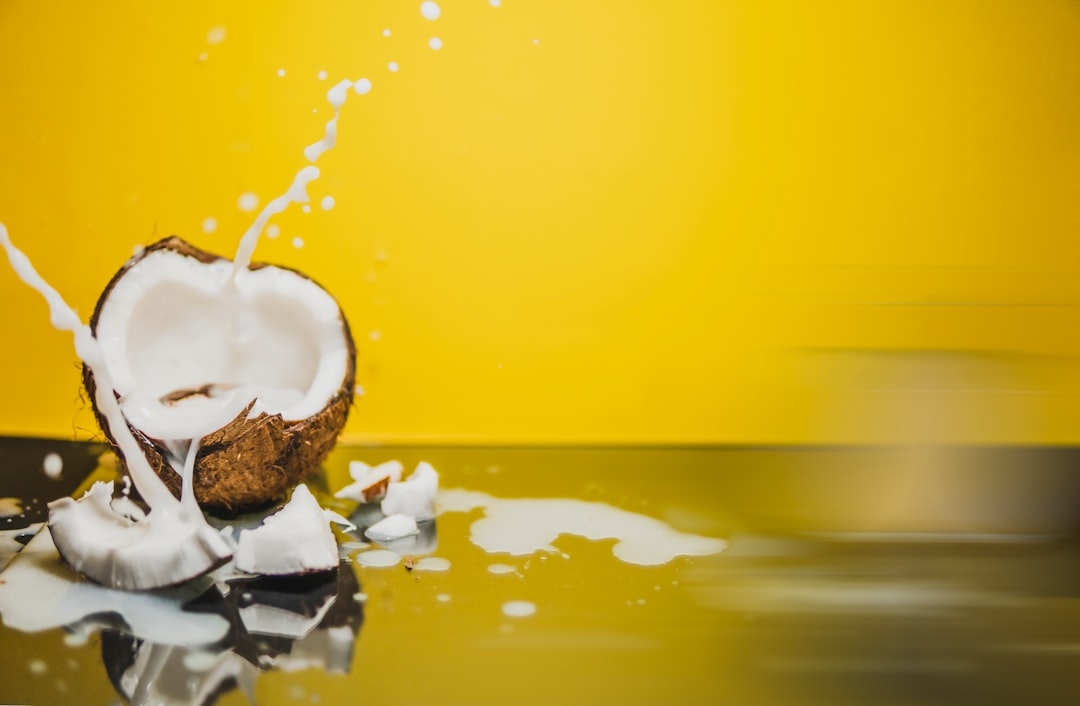
Mix 2-3 tablespoons raw honey with your existing conditioner (or with 1 tablespoon coconut oil for very dry hair). Apply to hair, focusing on mid-lengths and ends. Leave for 15-30 minutes, then shampoo thoroughly. Cost: £1-£3 for honey, making this extremely budget-friendly.
Raw honey works better than processed honey because it retains more enzymes and nutrients. Manuka honey (£6-£15 per jar) is premium but offers slightly greater antimicrobial benefits—useful if treating dandruff, less necessary for general conditioning.
Honey Rinse for Scalp Health
Dilute 1 tablespoon honey in a cup of warm water. After shampooing, pour this mixture over your scalp as a final rinse. This supports scalp health without coating the hair. Particularly useful for people prone to dandruff or scalp sensitivity.
Leave-In Honey Conditioner
Mix honey with a lightweight leave-in conditioner (ratio 1:4, honey to conditioner). Apply to damp hair ends only. This provides conditioning without buildup. Lasts longer than rinsing off but requires careful application to avoid greasiness.
Commercial Honey Hair Products vs DIY
Branded honey treatments cost £8-£20 per product. DIY honey treatments cost £1-£3. The question: which is better?
Commercial products offer convenience and precise formulations. However, DIY honey + conditioner provides identical moisturising benefits at a fraction of the cost. The main advantage of commercial products is that manufacturers have optimised the honey concentration and added complementary ingredients (like panthenol or keratin).
For budget-conscious readers, DIY honey masks (weekly, cost under £1) outperform expensive treatments monthly.
Honey Shampoos and Conditioners
These products contain honey extract rather than whole honey. They’re convenient but provide fewer benefits than masks because contact time is brief. Use them as your regular routine, not as a treatment.
Who Benefits Most from Honey Treatments?
Honey works particularly well for:
- Dry, frizzy hair: Honey’s humectant properties lock moisture in and smooth cuticles.
- Curly hair: Curls benefit from moisture-binding and frizz reduction.
- Scalp issues (dandruff, sensitivity): Honey’s antimicrobial and soothing properties help.
- Fine hair prone to breakage: Honey conditions without the weight of oils.
Those with very fine or thin hair should use diluted honey treatments (honey + conditioner rather than honey + oil) to avoid buildup.
Common Mistakes When Using Honey on Hair
- Using honey alone: Honey alone is sticky and difficult to rinse. Always mix with conditioner or oil.
- Applying to roots: Honey can create buildup at the roots, making hair look greasy. Apply to mid-lengths and ends only.
- Overusing frequency: Once weekly is sufficient. More frequent honey masks can create product buildup.
- Using processed honey: Ultra-filtered honey loses many beneficial compounds. Raw honey is significantly better.
- Not rinsing thoroughly: Honey residue attracts dust and creates buildup. Rinse multiple times.
Honey and Specific Hair Concerns
Scalp Psoriasis or Eczema
Honey’s anti-inflammatory properties provide mild relief for scalp conditions. However, medical treatments (prescribed by your GP) are more effective. Honey is supportive, not a replacement for treatment.
Hair Loss
Honey doesn’t prevent hair loss or accelerate growth. Its scalp health support is marginal compared to addressing actual causes (genetics, hormones, nutrition). Don’t rely on honey to address hair loss.
Damaged, Bleached Hair
Honey moisturises but doesn’t repair broken chemical bonds in bleached hair. Use honey for conditioning between treatments, but rely on protein treatments for actual repair.
Sustainability Angle: Why Honey Matters in 2026
Honey aligns with the 2026 beauty trend toward sustainable, natural ingredients. Unlike synthetic polymers or microplastics in some hair products, honey is renewable and biodegradable. Supporting ethical beekeeping (check labels for “sustainably sourced”) ensures your honey choice supports environmental responsibility.
However, ensure your honey is genuinely from ethical sources. Some commercial honey production harms bee populations. Brands like Rowse and Manuka Health prioritise bee welfare.
Budget Breakdown: Honey Hair Care
- Raw honey (jar): £3-£8, lasts 8-12 weeks of weekly masks
- DIY mask cost per use: £0.30-£1
- Branded honey treatment: £8-£20 per use
- Savings with DIY: £7-£19 per mask compared to branded products
Frequently Asked Questions
Does honey make hair grow faster?
No. Honey supports scalp health, which is a minor supporting factor in growth, but it doesn’t accelerate growth rate. Hair growth is determined by genetics, hormones, and nutrition—not by topical treatments.
Can I leave honey in my hair overnight?
Technically yes, but it’s unnecessarily sticky. 15-30 minutes provides adequate conditioning benefits. Overnight applications make rinsing more difficult without adding significant benefit.
Is Manuka honey better for hair than regular honey?
Slightly. Manuka honey has greater antimicrobial potency (measured as UMF rating). For general conditioning, regular raw honey works fine. For scalp issues like dandruff, Manuka’s extra antimicrobial power is worth the £6-£15 premium per jar.
Will honey make blonde hair darker?
No, honey doesn’t stain or darken hair. It’s a natural conditioning treatment suitable for all hair colours.
Can I mix honey with other ingredients?
Yes. Honey combines well with coconut oil (for dry hair), olive oil (for conditioning), or conditioner (for general use). Avoid mixing with lemon juice (which can lighten hair unintentionally) unless that’s your goal.
Using Honey Wisely in Your Hair Routine
Is honey good for your hair? Yes, but it’s a supportive ingredient, not a miracle treatment. Use raw honey in weekly masks (cost: under £1) for moisturising and scalp support. For scalp issues, Manuka honey offers additional benefits. Commercial honey products offer convenience but poor value compared to DIY. Honey aligns beautifully with the 2026 trend toward natural, sustainable beauty, making it a feel-good choice alongside practical benefit. View honey as part of a complete routine, not as a replacement for proper conditioning, scalp health, and addressing root causes of hair concerns.