Does Conditioner Cause Hair Loss? What the Evidence Shows
Contents:
- Why Someone Might Experience Shedding After Starting Conditioner
- Hair Loss vs. Shedding: Understanding the Difference
- Specific Ingredients to Watch
- Real Story: When Conditioner Triggered Shedding
- When Conditioner Should Be Avoided or Modified
- Common Mistakes to Avoid
- FAQ
- How do I know if my conditioner is causing shedding versus other factors?
- Can I condition every day without triggering shedding?
- Are expensive salon conditioners safer than drugstore brands?
- Is conditioner shedding permanent or temporary?
- What’s the safest conditioner if I have a sensitive scalp?
You’ve been using a new conditioner for two weeks, and you’re noticing more hair in your brush. The thought surfaces: could the conditioner be responsible? The timing feels suspicious. Yet before panicking, consider that average humans shed 50-100 hairs daily regardless of conditioner use. Noticeable shedding might be coincidental, or the conditioner might be a genuine trigger—context matters enormously.
The honest answer: standard conditioners don’t cause hair loss in healthy people. However, specific situations exist where conditioner ingredients can trigger temporary shedding, and certain ingredients pose problems for people with specific conditions. Understanding these nuances helps you identify whether your conditioner is actually problematic or whether other factors are responsible.
Why Someone Might Experience Shedding After Starting Conditioner
Silicone buildup is the most common culprit. Silicones accumulate on the hair shaft with repeated use, especially if you’re not clarifying regularly. This buildup creates weight that strains hair follicles, potentially triggering telogen effluvium—a type of temporary shedding where more hair than usual enters the shedding phase simultaneously. This process takes 2-4 weeks to manifest, which is why you notice shedding shortly after starting a new conditioner.
The shedding is temporary if you address the cause. Stop using the silicone-heavy conditioner and clarify with clarifying shampoo (use monthly, available for £4-8). Shedding typically resolves within 4-8 weeks as hair cycles normalise.
Allergic reactions to specific ingredients cause scalp irritation, which can trigger temporary shedding in sensitive individuals. Phthalates (plasticisers used in fragrances), sodium lauryl sulphate, parabens, or specific botanical extracts cause allergic reactions in perhaps 2-3% of the population. Symptoms include scalp itching, redness, or flaking alongside shedding.
Hair Loss vs. Shedding: Understanding the Difference
Hair loss means permanent reduction in the number of hairs you have. Shedding means temporary increase in the number of hairs transitioning to the telogen (shedding) phase, after which new hair regrows. Conditioner doesn’t cause permanent hair loss. It might trigger temporary shedding, but not permanent loss.
If you’ve been experiencing shedding for more than 12 weeks after starting a conditioner, the conditioner probably isn’t the cause. Hair cycles are 3-6 years long; temporary trigger effects resolve within 8-12 weeks. Prolonged shedding suggests underlying causes like thyroid dysfunction, iron deficiency, nutritional deficiency, or hormonal imbalance—conditions unrelated to conditioner use.
Specific Ingredients to Watch
Sodium lauryl sulphate (SLS) and sodium laureth sulphate (SLES) are aggressive detergents found in cheaper shampoos and some conditioners. These can cause scalp irritation and temporary shedding in sensitive people. Check ingredient lists; most quality conditioners avoid these.
Parabens (methylparaben, propylparaben) are preservatives found in many products. Approximately 1% of the population has paraben sensitivity, triggering scalp irritation and shedding. Paraben-free alternatives exist (£6-15 typically, same price as regular conditioner).
Phthalates in fragrances can trigger allergic responses in sensitive individuals. “Fragrance” or “parfum” listed on ingredients may contain phthalates. Fragrance-free or naturally-scented conditioners avoid this risk.
Protein-heavy conditioners can cause shedding if used excessively. Proteins strengthen the hair shaft, but overuse creates brittleness and breakage that mimics shedding. If using protein-enriched conditioner, limit to once or twice weekly, not every wash.
Real Story: When Conditioner Triggered Shedding
Michael, a 34-year-old from Manchester, noticed increased shedding within 2 weeks of switching to a silicone-heavy volumising conditioner. He shed approximately 120-150 hairs daily compared to his normal 60-80. He assumed male-pattern baldness was starting. Instead, after consulting a trichologist, he switched to a lightweight, silicone-free conditioner and used clarifying shampoo monthly. Within 8 weeks, shedding returned to baseline. His hair continued normal growth. The conditioner had triggered temporary shedding through silicone buildup, not permanent loss. Once addressed, the problem resolved completely.
When Conditioner Should Be Avoided or Modified
If you have active scalp conditions (eczema, psoriasis, seborrheic dermatitis), many standard conditioners irritate your scalp, triggering temporary shedding. Use fragrance-free, hypoallergenic conditioners formulated for sensitive scalp (brands like Aveeno Pure Renewal, Vanicream, or dermatology-recommended options cost £5-12).
If you’re taking medications that affect hair growth (finasteride for hair loss, finasteride for prostate issues, certain chemotherapy drugs, some hormonal medications), report all hair-care products to your doctor. Some ingredients can interact with medications or interfere with their effectiveness, potentially worsening shedding.
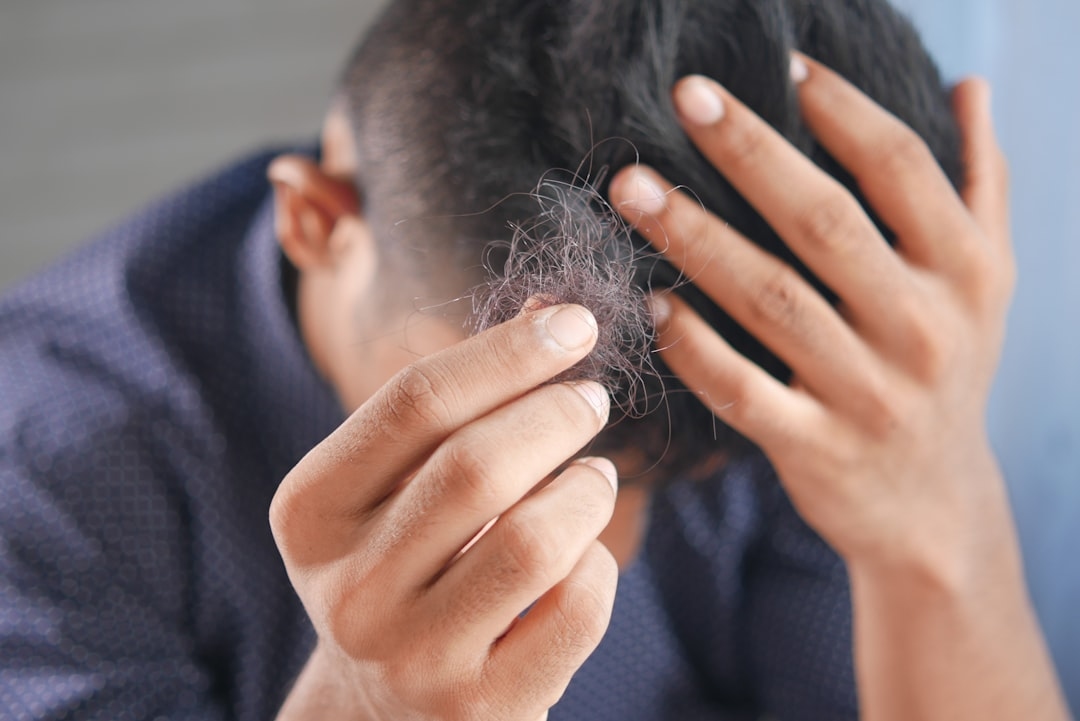
If you have traction alopecia (hair loss from repeated tension), avoid conditioners that make hair slippery, as these can increase tension-related breakage. Use slightly thicker formulas that provide more friction, reducing movement-related damage.
Common Mistakes to Avoid
Don’t immediately assume conditioner caused shedding just because shedding started around the same time you switched conditioners. Coincidental timing is common. Shedding has many causes—stress, seasonal changes, nutritional shifts, hormonal fluctuations. Rule out these factors before blaming conditioner.
Don’t assume “natural” or “organic” conditioners can’t trigger problems. Botanical ingredients can cause allergies just as often as synthetic ones. “Natural” doesn’t mean hypoallergenic or safe for sensitive scalps.
Don’t avoid conditioning entirely if you suspect your current conditioner causes shedding. Switch conditioners, don’t skip conditioning. Hair needs moisture balance; avoiding conditioner can worsen shedding long-term as your scalp overproduces sebum.
FAQ
How do I know if my conditioner is causing shedding versus other factors?
Timing is the primary clue. Did shedding start within 2-4 weeks of switching conditioners? Is shedding specifically from the scalp area (root-level breakage), or throughout the hair shaft? Does your scalp itch, flake, or feel irritated? If timing aligns and your scalp shows irritation signs, conditioner is likely the culprit. If shedding started months earlier, conditioner probably isn’t responsible.
Can I condition every day without triggering shedding?
Yes, if you’re using an appropriate lightweight formula and rinsing thoroughly. Daily conditioning doesn’t cause shedding. However, if you’re using a heavy conditioner daily without regular clarifying, silicone buildup might eventually trigger temporary shedding. Use lightweight conditioner daily and clarify monthly if you condition daily.
Are expensive salon conditioners safer than drugstore brands?
Not necessarily. Price doesn’t correlate with scalp-friendliness. Some expensive brands contain irritating ingredients; some drugstore brands are perfectly safe. Read ingredient labels rather than trusting brand prestige. Look for paraben-free, SLS-free, and fragrance-free if you have a sensitive scalp.
Is conditioner shedding permanent or temporary?
Temporary. If conditioner triggers shedding through silicone buildup or mild allergic reaction, addressing the cause stops the shedding within 4-8 weeks. Hair regrows normally. Permanent hair loss would indicate an underlying medical condition unrelated to the conditioner.
What’s the safest conditioner if I have a sensitive scalp?
Look for fragrance-free, hypoallergenic, paraben-free formulas. Dermatology-recommended brands (available at pharmacies) are specifically tested for sensitive scalps. Vanicream Lite Lotion, CeraVe, and Vanicream Conditioner cost £5-10 and are gentler than most mass-market brands. Alternatively, try conditioner-free hair care using apple cider vinegar rinses or co-washing (conditioning shampoo without soap).
Conditioner doesn’t cause permanent hair loss, but it can trigger temporary shedding in specific situations. Silicone buildup, allergic reactions to specific ingredients, or scalp irritation can cause short-term increased shedding that resolves once the trigger is removed. If shedding persists beyond 12 weeks despite changing conditioners, consult a trichologist or your GP—the cause is likely unrelated to your conditioner.