


Is Hair Removal Cream Better Than Shaving? A Complete Comparison
Contents:
- Understanding the Basics: Hair Removal Cream vs Shaving
- Longevity and Results: Which Lasts Longer?
- Skin Sensitivity and Reaction Risks
- Convenience and Time Commitment
- Cost Analysis Over Time
- Hair Type and Effectiveness
- Environmental and Ethical Considerations
- So, Which Should You Actually Choose?
- Practical Tips for Best Results
- Frequently Asked Questions
- Can you use hair removal cream on facial hair?
- Does hair removal cream hurt or cause pain?
- Is it cheaper to use cream or shave regularly?
- Will hair grow back thicker or darker after using cream or shaving?
- Which method is better for sensitive skin?
- The Verdict
Ancient Egyptians have inspired us for millennia with their approach to grooming—particularly their obsession with smooth skin. Cleopatra herself was said to prefer depilatory methods over shaving, suggesting that the debate between hair removal cream and razors isn’t exactly modern. Today, this age-old question still sparks genuine confusion for people deciding which method suits them best.
Understanding the Basics: Hair Removal Cream vs Shaving
The simple answer to “is hair removal cream better than shaving” depends entirely on your skin, lifestyle, and expectations. Both methods remove visible hair, but they work in fundamentally different ways. Shaving cuts hair at the skin’s surface, while hair removal cream (also called depilatory cream) dissolves the hair shaft beneath the epidermis. Neither is objectively superior—they’re simply different tools for different situations.
Before we dive into specifics, understand that shaving offers immediate results and minimal chemical involvement. Hair removal cream, meanwhile, takes 5-15 minutes and uses chemical compounds to break down hair protein. Both leave hair visible within days, though at slightly different stages of regrowth.
Longevity and Results: Which Lasts Longer?
Here’s where things get interesting. Hair removal cream typically lasts 3-7 days, while shaving usually shows regrowth within 1-2 days. This advantage belongs to cream, though individual results vary. Your hair growth cycle, thickness, and the specific product used all influence duration.
People across different regions report different experiences. Northeast residents often find that dry winter conditions make cream less effective, while West Coast users report better results year-round thanks to consistent moisture levels. Southern climates present their own challenges—humidity can extend cream effectiveness but may interfere with shaving comfort.
Specifically, depilatory creams work by breaking peptide bonds in keratin (the protein making up hair). Better products cost £8-15 and can delay regrowth by 5-7 days. Budget options at £3-5 might only manage 2-3 days. Razors, conversely, cost £1-3 per blade, making them exceptionally economical for frequent users.
Skin Sensitivity and Reaction Risks
Hair removal cream isn’t for everyone. The chemicals required to dissolve hair—typically thioglycolic acid—can trigger allergic reactions in sensitive individuals. You’ll need to perform a patch test 24 hours before use, applying a small amount to your inner arm and watching for redness, itching, or burning.
Shaving poses different risks. Razor burn, ingrown hairs, and small cuts are common. People with coarse or curly hair face particular challenges; shaving can create sharp edges that curl back into the skin, causing painful ingrown hairs that last weeks.
The reality: roughly 10% of users experience adverse reactions to depilatory creams, while shaving irritation affects about 40% of regular users, particularly those with sensitive or dark skin tones. This makes cream safer for chemically sensitive skin, though less safe for those prone to contact dermatitis.
Convenience and Time Commitment
Speed matters when you’re getting ready. Shaving takes 3-5 minutes tops—you’re simply scraping away surface hair. Hair removal cream requires patience: application (2 minutes) plus waiting (10-15 minutes) plus washing off (3 minutes), totalling roughly 20 minutes. For rushed mornings, shaving wins decisively.
Consider your calendar too. If you travel frequently, shaving suits you better—razors and travel-size shaving gel weigh nothing. Hair removal cream is bulkier and regulated more strictly in cabin luggage on certain airlines. Summer holidays present seasonal timing questions; many people prefer non-shaving methods before beach season, as shaving daily can become tedious.
Maintenance differs significantly as well. Razors require cleaning after each use and replacement every 5-10 shaves (costing £15-30 monthly). Cream requires a single application per use, with minimal upkeep, though one tube lasts roughly 8-12 applications at £10-15 per tube.
Cost Analysis Over Time
Let’s look at numbers. A daily shaver using quality razors spends approximately £30-40 monthly. Those shaving every other day spend £15-20. Hair removal cream users applying weekly spend roughly £10-15 monthly, making cream economical for infrequent users. However, someone using cream twice weekly would spend £40+ monthly—more expensive than daily shaving.
The maths favour cream only if you’re removing hair infrequently. For facial or leg hair removed every 5-7 days, cream offers better value. For daily stubble control, shaving is significantly cheaper.
Hair Type and Effectiveness
Your hair’s characteristics matter tremendously. Fine, light hair responds equally well to both methods. Thick, dark, or coarse hair presents challenges for both—cream might not dissolve it fully, and shaving leaves visible shadow (what dermatologists call “shave shadow”).
Curly hair complicates shaving particularly; the curved growth pattern creates stubble within hours and increases ingrown hair risk substantially. Hair removal cream actually works better for curly hair, as it removes hair below the surface, preventing the sharp-edged regrowth that causes curling.
For facial hair specifically, cream takes 8-12 minutes (longer than body hair) and requires careful application to avoid contact with eyes or mouth. Some people find cream effective for upper lip hair; others get better results combining both methods—cream for longer-lasting results before special events, shaving for daily maintenance.
Environmental and Ethical Considerations
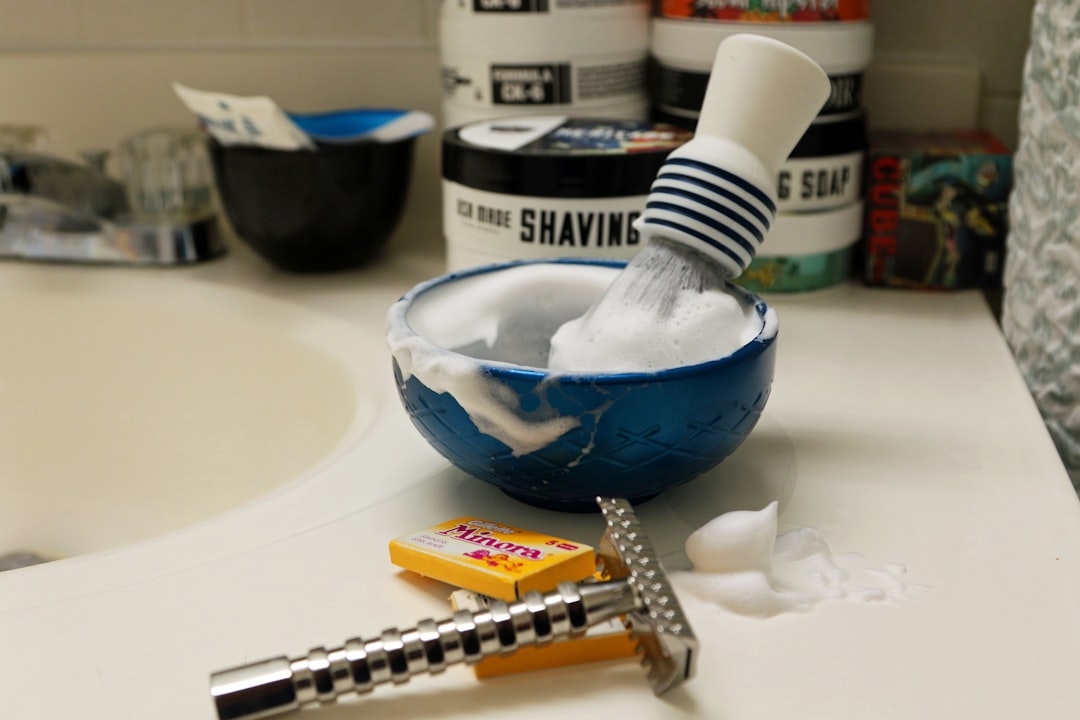
If sustainability matters to you, shaving has complications. Disposable razors create substantial waste; roughly 2 billion razors end up in landfill annually across the UK and US combined. Safety razors or electric shavers are more sustainable alternatives.
Hair removal cream poses different environmental concerns. The chemical formulations require careful disposal, and some ingredients have raised questions about aquatic impact, though major brands have reformulated to address concerns. Neither method is perfectly eco-conscious.
So, Which Should You Actually Choose?
Choose hair removal cream if you prefer longer-lasting results (3-7 days), have sensitive skin prone to razor irritation, have curly hair, shave infrequently, or want fewer ingrown hairs. Budget roughly £10-15 monthly.
Choose shaving if you need quick daily results, prefer convenience and minimal preparation, have chemical sensitivities, want the absolute lowest cost, or don’t mind more frequent maintenance. Budget roughly £20-40 monthly depending on frequency.
Many people use both: cream for legs before occasions or holidays, shaving for daily face and underarm maintenance. There’s no shame in a hybrid approach.
Practical Tips for Best Results
- Always patch test depilatory cream 24 hours before full application
- Exfoliate 24 hours before using either method to remove dead skin and reduce irritation
- Moisturise immediately after hair removal—both methods can leave skin dry
- If using cream, follow timing instructions precisely; leaving it on too long causes irritation
- Shave in the direction of hair growth, not against it, to reduce ingrown hairs
- Replace razor blades regularly; dull blades cause more irritation
Frequently Asked Questions
Can you use hair removal cream on facial hair?
Yes, but only products specifically labelled for facial use. Body-strength depilatory creams are too harsh for delicate facial skin. Facial products work on upper lip, chin, and cheek hair effectively, though results vary by hair thickness.
Does hair removal cream hurt or cause pain?
No pain is involved, though some users report mild tingling or chemical smell. If you experience burning or significant discomfort, wash it off immediately—you may have a chemical sensitivity.
Is it cheaper to use cream or shave regularly?
For infrequent use (once or twice weekly), cream costs roughly £10-15 monthly. For daily or every-other-day removal, shaving costs £15-40 monthly, making it more economical. The breakeven point is around 3-4 hair removals weekly.
Will hair grow back thicker or darker after using cream or shaving?
This is a myth. Neither method changes hair thickness, colour, or growth rate. Hair appears darker after shaving simply because you’re seeing the thicker base of the hair shaft rather than the tapered tip.
Which method is better for sensitive skin?
Neither is universally better. People with contact dermatitis should avoid depilatory cream entirely. Those prone to razor burn and irritation benefit from cream. Do a patch test first, regardless of which you choose.
The Verdict
Is hair removal cream better than shaving? The answer reflects your individual needs, budget, and skin type rather than any objective superiority. Cream offers longer-lasting smoothness, fewer ingrown hairs, and potentially less irritation for those who tolerate the chemicals. Shaving provides unmatched speed, convenience, and economy for regular users.
The best approach? Try both methods if you haven’t already. Your skin will tell you which one works better. Many people find their ideal solution combines elements of both—cream for special occasions and beach season, shaving for daily maintenance. That’s not indecision; it’s smart grooming strategy.