

Does Hair Hold Memories? What Science Really Shows
Contents:
- Understanding the Hair-Memory Connection
- What Hair Actually Stores
- Proteins and Their Role
- Cortisol and Stress Markers
- The Neuroscience Reality
- Common Mistakes to Avoid
- The Symbolic Power of Hair
- Practical Guidance on Hair Health and Emotional Wellbeing
- Measuring Actual Stress Through Hair Analysis
- Supporting Emotional Wellbeing Beyond Hair
- Expert Perspective
- Does Hair Really Hold Memories?
- Frequently Asked Questions
- Can cutting your hair remove stored trauma?
- What exactly do hair cortisol tests measure?
- Is there any scientific basis for “cellular memory”?
- How long do stress markers remain visible in hair?
- Can I use hair analysis to confirm past trauma?
- Moving Forward: Hair, Memory, and Self-Care
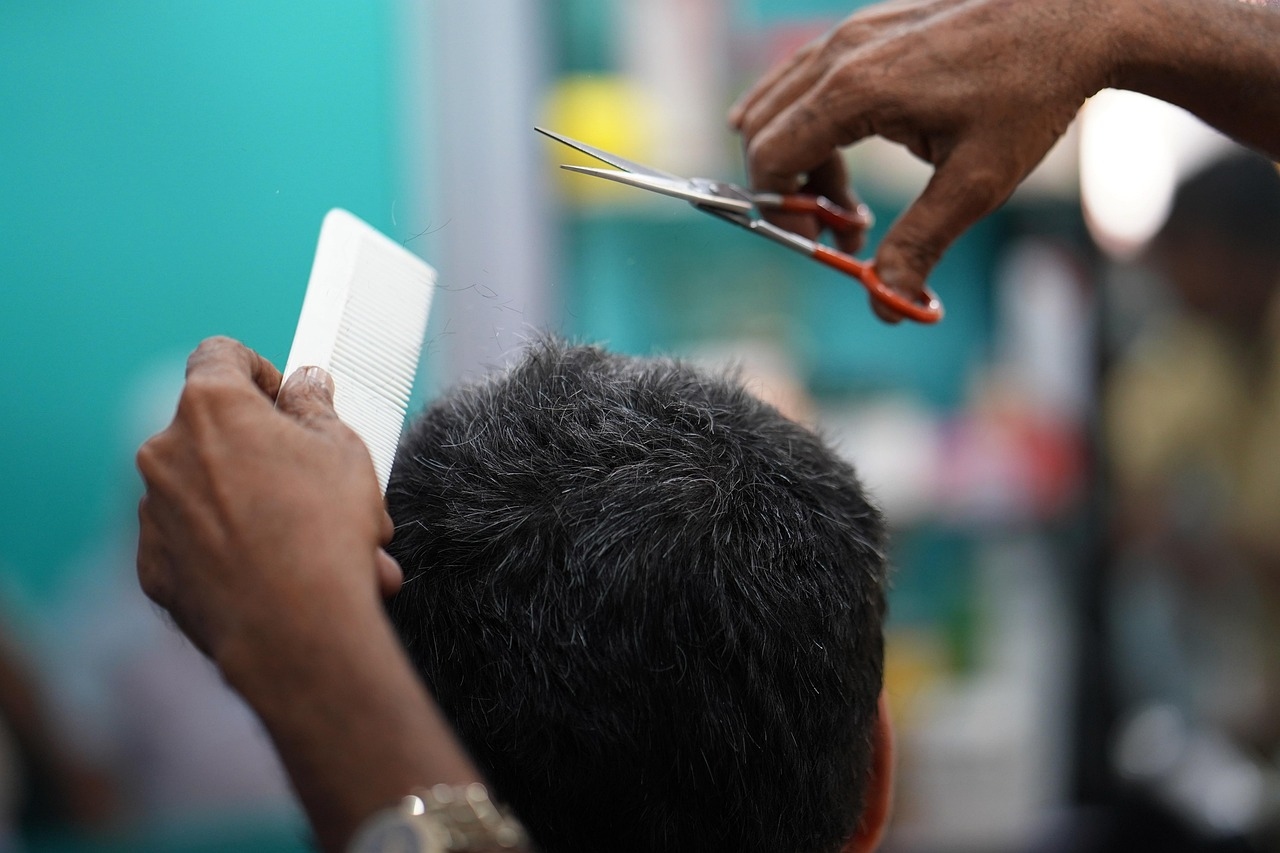
You’ve probably heard the story: someone cuts off all their hair during a life-changing moment—a breakup, a fresh start, a turning point. Friends nod knowingly and say things like, “You’re getting rid of all that emotional baggage.” But what if that’s not just metaphorical? The question of whether hair literally holds memories has fascinated people for decades, blending folklore, spiritual belief, and a genuine scientific curiosity about how our bodies record and store experiences.
Understanding the Hair-Memory Connection
Hair isn’t simply a cosmetic feature; it’s a living structure deeply rooted in biological processes. Each strand grows from a hair follicle beneath the skin’s surface, where cells divide and create the protein structure we see extending outward. This biological reality opens an intriguing question: if memories involve chemical and neurological changes throughout the body, could those changes leave traces in our hair?
The folklore around hair and memory persists in many cultures. Indigenous traditions, spiritual practices, and even some alternative health circles suggest that cutting hair releases stored energy or trauma. These beliefs reflect something deeper—a recognition that our bodies and minds are interconnected, and that significant emotional events shape us in ways that might extend beyond the brain itself.
What Hair Actually Stores
Proteins and Their Role
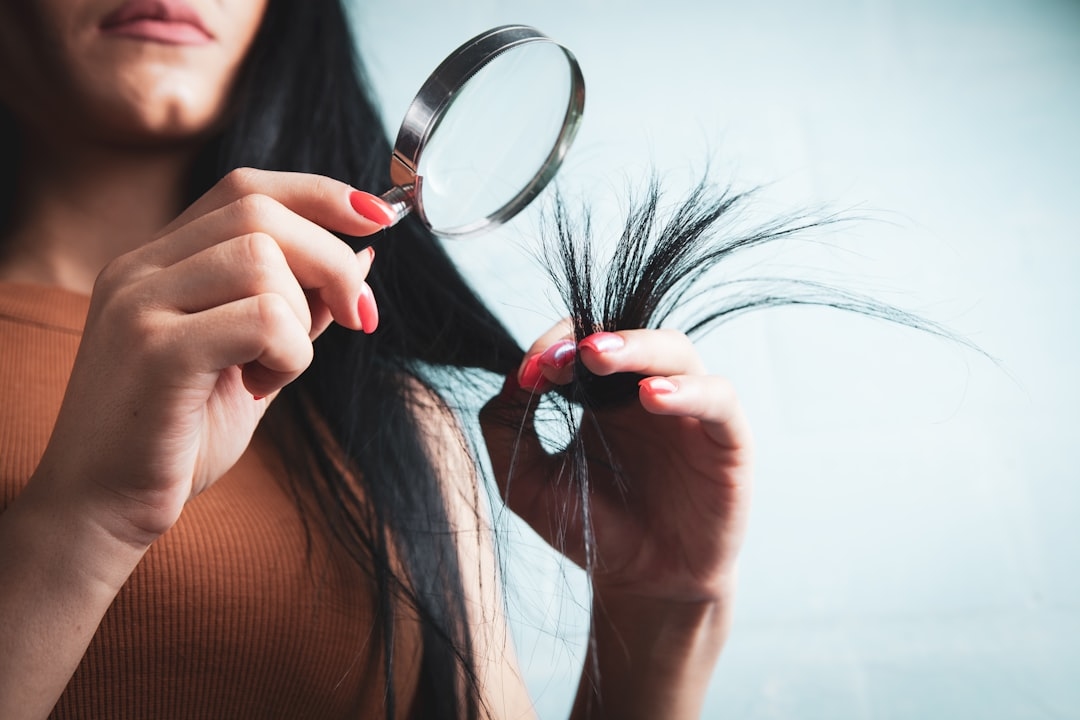
Hair is composed primarily of a protein called keratin. Your body produces this protein continuously, incorporating amino acids and nutrients into each strand as it grows. This means hair contains a record of what you’ve consumed and been exposed to during the growth period. Specifically, hair reflects your nutritional intake, environmental toxins, and metabolic state—not abstract memories, but measurable biological markers.
Hair can store evidence of drug use, heavy metal exposure, and nutritional deficiencies because these substances integrate into the protein structure. A typical strand of hair grows approximately 15 centimetres per year, and this growth timeline can help forensic scientists and medical professionals date when exposure occurred. This isn’t metaphorical memory; it’s a physical record of what entered your body.
Cortisol and Stress Markers
The most legitimate scientific claim about hair and emotional experience involves cortisol, the primary stress hormone. Research has demonstrated that elevated cortisol levels—present during periods of psychological stress—can be detected in hair samples. A study published in peer-reviewed journals found that hair cortisol concentrations reflect chronic stress exposure over weeks to months, depending on the hair segment tested.
However, this requires important clarification: hair doesn’t “remember” trauma the way your brain does. Instead, elevated cortisol circulating through your bloodstream during stressful periods gets incorporated into growing hair strands. The measurement shows that stress happened; it doesn’t show which stressful event or emotional memory occurred. It’s a physiological signature of stress, not a record of specific memories.
The Neuroscience Reality
Memory formation is fundamentally a brain process. Your hippocampus, prefrontal cortex, and amygdala work together to encode, consolidate, and retrieve memories through synaptic connections and chemical neurotransmitters. This happens in your nervous system, not in hair follicles. While your entire body responds to emotional experiences—through hormonal cascades, changes in immune function, and alterations in heart rate—the actual mechanism of memory storage remains centralised in your brain.
Some people propose that “cellular memory” exists throughout the body, suggesting that trauma is literally stored in tissues. The evidence for this is speculative at best. Hair certainly reflects physiological responses to stress, but this is different from containing memories of specific events.
Common Mistakes to Avoid
- Confusing correlation with causation: Finding elevated cortisol in hair proves stress occurred, not that cutting hair removes memories or trauma.
- Mistaking biomarkers for memory storage: Hair reflects what happened to your body, not what your mind remembers or processes.
- Assuming hair-cutting rituals have neurological effects: Cutting hair may feel emotionally powerful as a symbolic gesture, but it doesn’t directly alter stored memories or emotional patterns in your brain.
- Overlooking individual variation: Hair growth rates, cortisol responses, and stress sensitivity differ significantly between people, making generalisations unreliable.
The Symbolic Power of Hair
Even though hair doesn’t literally hold memories, the act of changing your hair carries genuine psychological weight. A fresh haircut or colour change can mark a transition, boost confidence, and signal a renewed sense of agency. This psychological impact is real and valuable—it just works through your mind and emotions, not through releasing stored memories from your hair.
Your relationship with your hair is tied to identity, self-expression, and cultural meaning. For many people, hair represents vitality, femininity, masculinity, cultural heritage, or spiritual significance. When you make dramatic changes to your hair, you’re engaging in a powerful symbolic act. The benefits come from psychological and social dimensions, not from literal memory release.
Practical Guidance on Hair Health and Emotional Wellbeing
Measuring Actual Stress Through Hair Analysis
If you’re genuinely interested in understanding your stress levels through hair analysis, hair cortisol testing is available through some healthcare providers and wellness clinics across the UK. Costs typically range from £80 to £200 depending on the laboratory and whether the test is part of a comprehensive health assessment. The results provide a useful baseline measure of chronic stress, which can motivate lifestyle changes—but they shouldn’t replace conversations with mental health professionals about managing emotional challenges.
Supporting Emotional Wellbeing Beyond Hair
If you’re drawn to the idea that hair holds memories because you’re processing difficult experiences, consider evidence-based approaches:
- Cognitive-behavioural therapy directly addresses how memories are processed and can reduce their emotional charge.
- Mindfulness and somatic therapy help you develop awareness of how emotions manifest in your body.
- Talking therapies allow you to externalize and work through traumatic memories with professional support.
- Lifestyle adjustments—sleep, exercise, nutrition—influence your actual stress hormone levels and emotional resilience.
Expert Perspective
Dr. Margaret Thornley, a trichologist based in London with fifteen years of experience, notes: “Hair reflects the state of your body during growth, including stress responses. But clients often want hair to solve emotional problems that require psychological attention. Hair care is important for confidence and wellbeing, but it’s not a substitute for addressing trauma or chronic stress at their source.”
Does Hair Really Hold Memories?
The answer is nuanced. Hair holds physiological records—stress hormones, nutritional intake, environmental exposures—but it doesn’t hold memories in the way your brain does. Hair doesn’t preserve specific events, emotions, or psychological experiences. What hair does reflect is your body’s response to stress, which is valuable information but fundamentally different from memory storage.
The lasting power of the hair-memory metaphor comes from recognising something true: your whole body responds to emotional experience. Stress isn’t just “in your head”—it circulates through your bloodstream, affects your immune system, and alters your physiology. Hair can provide physical evidence of this systemic stress response. But healing trauma, processing grief, and building emotional resilience require engaging with your mind and emotions directly, not with your hair.
Frequently Asked Questions
Can cutting your hair remove stored trauma?
Cutting hair won’t remove stored memories or trauma from your brain, which is where memories actually live. However, cutting hair can symbolically mark a transition and provide a psychological sense of renewal. The emotional benefit comes from the psychological meaning you assign to the action, not from the physical removal of hair.
What exactly do hair cortisol tests measure?
Hair cortisol tests measure the level of cortisol, your primary stress hormone, incorporated into hair during growth. Higher levels indicate periods of elevated stress. The test reflects the duration and intensity of chronic stress, but cannot identify which specific events caused the stress or reveal detailed memories.
Is there any scientific basis for “cellular memory”?
The idea that memories are stored in cells throughout your body lacks robust scientific support. Memory formation is a brain-based process involving specific neural structures and neurotransmitters. Your body certainly responds to emotional experiences, but that physiological response is distinct from storing memories in tissues like hair.
How long do stress markers remain visible in hair?
Since hair grows approximately 15 centimetres per year, a hair segment reflects stress exposure during the period it was growing. A five-centimetre section taken close to the scalp represents roughly four months of growth, while hair further down the strand represents earlier months. This timeline helps researchers date when stress occurred.
Can I use hair analysis to confirm past trauma?
Hair cortisol analysis can confirm that elevated stress occurred during a specific timeframe, but it cannot confirm specific traumatic events. For processing and confirming trauma, working with a mental health professional through structured trauma therapy is far more reliable and therapeutically beneficial than relying on biological markers alone.
Moving Forward: Hair, Memory, and Self-Care
Your hair is worth caring for—it protects your scalp, provides insulation, and features prominently in how you present yourself to the world. Taking care of your hair through proper nutrition, scalp health, and styling choices is genuinely worthwhile. But hair care works best when paired with direct attention to emotional and mental wellbeing. If you’re drawn to the metaphor that hair holds memories, honour what that longing represents: the recognition that stress affects your whole self, and that you deserve comprehensive support for your emotional health. Whether you cut your hair or keep it long, growing it, or completely transforming your style, the real work of processing memory and building resilience happens in conversation with yourself and trusted others who understand your experiences.