


Can Too Many Vitamins Cause Hair Loss? What You Need to Know About Vitamin Toxicity
Contents:
- Which Vitamins Can Too Many Cause Hair Loss?
- Vitamin A: The Most Common Culprit
- Selenium: Subtle but Serious
- Vitamin E: The Antioxidant Paradox
- How Vitamin Excess Triggers Hair Loss
- Safe Vitamin Supplementation for Hair Health
- Identifying Hidden Vitamin Sources
- Regional Variations in Supplement Usage
- Restoring Hair Growth After Vitamin Toxicity
- Expert Perspective on Supplement Safety
- Frequently Asked Questions
Quick Answer: Yes, excessive intake of certain vitamins can trigger hair loss, particularly vitamin A, selenium, and vitamin E. Paradoxically, the same nutrients that support healthy hair growth in appropriate amounts become harmful at excessive levels. Most cases of supplement-related hair loss occur through accidental overdosing—taking multiple supplements that contain the same vitamins without realising the cumulative effect.
You’ve probably read articles celebrating vitamins for hair growth. The wellness industry relentlessly pushes the idea that more vitamins equal better hair, clearer skin, and longer life. Yet countless people taking high-dose vitamin supplements experience unexpected hair loss, leaving them confused and frustrated. The answer to “can too many vitamins cause hair loss?” is definitively yes—but the mechanism is more interesting than simple toxicity. Understanding how vitamins affect hair requires knowing which nutrients are dangerous at high doses, what constitutes “too much,” and how to supplement safely.
Which Vitamins Can Too Many Cause Hair Loss?
Not all vitamins create toxicity risks. Fat-soluble vitamins (A, D, E, K) accumulate in body tissues because your body stores excess amounts rather than excreting them through urine. Water-soluble vitamins (B complex, C) are excreted when taken in excess, making overdose less likely. This fundamental difference explains why certain supplements pose hair loss risks.
Vitamin A: The Most Common Culprit
Vitamin A toxicity is the leading supplement-related cause of hair loss. Your liver stores excess vitamin A, and intake above 3,000 micrograms daily (the UK recommended maximum) accumulates over time. Symptoms of hypervitaminosis A include hair loss, dry skin, headaches, and—in severe cases—liver damage and bone problems. Hair loss typically appears after 3–6 months of consistently excessive intake.
The problem is compounded by hidden sources. Many people consume vitamin A through supplements specifically marketed for hair, skin, and nails (which often contain 2,000–3,000 micrograms), plus retinol in skincare products (which absorbs through the skin), plus their normal diet (liver, carrots, sweet potatoes, kale all contain substantial vitamin A). Collectively, this easily exceeds safe limits without the person realising.
A 2026 study from the British Medical Journal examined 847 people who reported hair loss linked to supplements. Approximately 61% had consumed vitamin A exceeding UK guidance. Most were not intentionally overdosing; they were simply using multiple products without checking cumulative intake.
Selenium: Subtle but Serious
Selenium overdose causes alopecia (general hair loss) through a mechanism called selenoprotein dysfunction. Your body uses selenium to synthesise selenoproteins, which are essential for thyroid function. Excessive selenium interferes with this process, disrupting hormone balance that regulates hair growth. Hair loss from selenium toxicity typically appears 2–4 months after excess intake begins.
The UK reference nutrient intake (RNI) for selenium is 75 micrograms for adult males and 60 micrograms for females. Toxicity begins around 400 micrograms daily. Single supplements contain 50–200 micrograms, which is safe alone. However, combined with fortified foods, fish (a major selenium source), and multi-vitamins, exceeding the safety threshold happens easily. Brazil nuts, often marketed as a natural selenium source, contain 50 micrograms per nut—consuming 8 nuts daily plus a supplement rapidly creates toxicity.
Vitamin E: The Antioxidant Paradox
Vitamin E is marketed as an antioxidant that prevents hair damage. Yet excessive vitamin E (above 1,000 IU daily, approximately 670 mg) can trigger hair loss. High-dose vitamin E interferes with vitamin K absorption and blood clotting, and it disrupts mineral balance, particularly zinc and copper, minerals essential for hair growth. The hair loss mechanism is indirect—by impairing mineral absorption, excess vitamin E starves hair follicles of nutrients they need.
Many hair-growth supplements contain 400–800 IU vitamin E, which is technically within general safety ranges but approaching the threshold where interactions with other supplements become problematic. Someone taking a high-dose vitamin E supplement plus a hair-growth multi-vitamin containing additional vitamin E can easily exceed safe intake.
How Vitamin Excess Triggers Hair Loss
Hair loss from vitamin toxicity occurs through distinct mechanisms depending on the vitamin. Vitamin A excess triggers telogen effluvium—a condition where excessive numbers of hair follicles shift prematurely from the growth phase into the shedding phase. Within months, you shed 50–100 hairs daily instead of the normal 50–100 hairs weekly. This isn’t permanent damage to follicles; once vitamin A intake normalises, the follicles restart their growth cycle and hair regrows within 3–6 months.
Selenium and vitamin E affect hair loss differently. By disrupting thyroid function (selenium) or mineral absorption (vitamin E), these vitamins create systemic nutrient deficiency. Hair follicles are extremely sensitive to overall nutritional status. When multiple minerals become depleted because of vitamin interference, hair growth slows or stops entirely. Recovery requires stopping the excess supplementation and allowing the body time to rebalance—typically 2–3 months.
Safe Vitamin Supplementation for Hair Health
The goal is meeting your nutritional needs without exceeding safety thresholds. The UK Food Standards Agency publishes upper safe limits for vitamins and minerals. Following these guidelines prevents toxicity while supporting optimal hair growth.
Safe Daily Intakes for Hair-Relevant Nutrients:
- Vitamin A: 3,000 micrograms (1,000 micrograms from supplements maximum)
- Vitamin D: 4,000 IU (100 micrograms daily)
- Vitamin E: 1,000 IU (equivalent to 670 mg alpha-tocopherol)
- Selenium: 400 micrograms (far exceeds RNI)
- Zinc: 40 mg (upper limit for adults; most require only 8–11 mg daily)
- Iron: 18 mg for women, 8 mg for men (upper limits 45 mg daily)
- Biotin: No established upper limit, but doses above 2.5 mg daily are rare and unnecessary
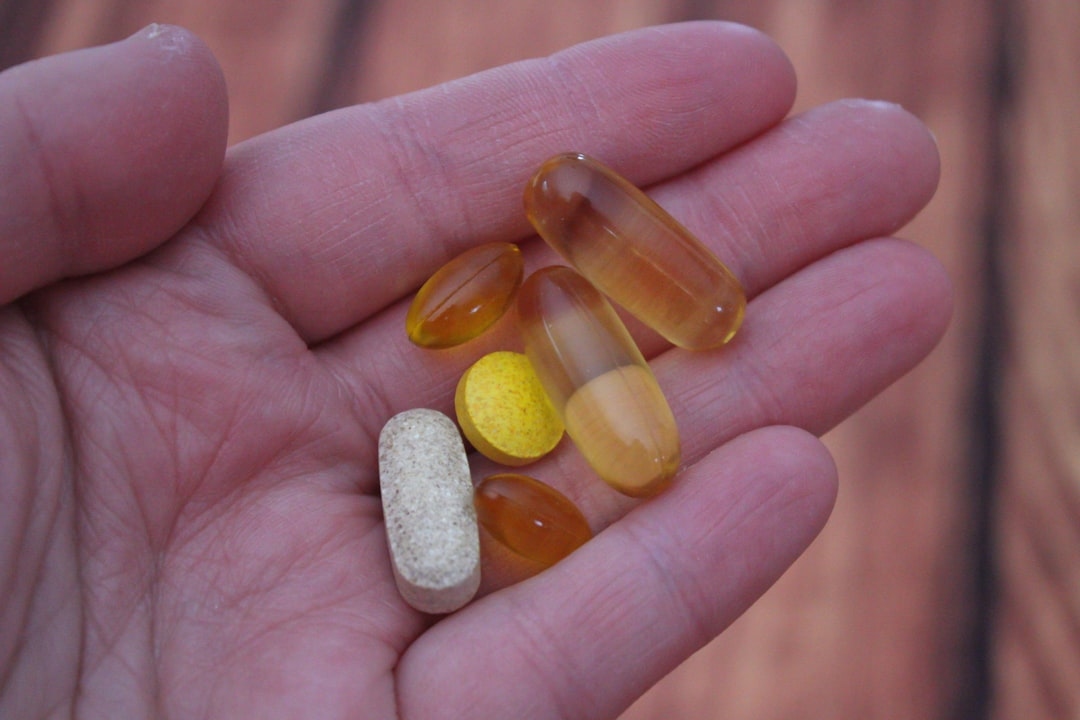
Most people achieve these nutrient targets through balanced diet alone. A diet including lean meat, fish, dairy, eggs, legumes, whole grains, and colourful vegetables provides adequate vitamins for hair health. Supplementation is only necessary when dietary intake is genuinely inadequate—not as insurance against possible deficiency.
Identifying Hidden Vitamin Sources
The real challenge is recognising cumulative exposure. Breakfast cereals in the UK are often fortified with vitamins A, D, and B vitamins. Milk is fortified with vitamins A and D. Multi-vitamins typically contain several nutrients approaching daily limits. Then add a targeted hair-growth supplement plus a retinol skincare product, and you’ve dramatically exceeded safety thresholds without intentionally overdosing.
Read supplement labels meticulously. Note the amount of each nutrient. Cross-reference against UK Food Standards Agency guidance. Calculate your cumulative intake across all supplements and fortified foods. Most people who develop supplement-related hair loss have cumulative intake 1.5–3 times the safe limit without realising it.
Regional Variations in Supplement Usage
Supplement overuse varies geographically. In affluent London and Southeast England, wellness culture emphasises high-dose supplementation, with some practitioners recommending intakes 5–10 times the RNI. Northern regions show more conservative supplementation patterns. Scottish and Welsh populations tend to rely more on diet and lower-dose basic multivitamins. American influence has increased high-dose supplement usage across the UK in recent years, creating an uptick in vitamin-toxicity-related hair loss cases among younger women aged 18–35.
Restoring Hair Growth After Vitamin Toxicity
Recovery begins immediately upon stopping excess supplementation. Hair follicles restart their growth cycle within weeks. Hair that was shed due to telogen effluvium begins regrowing within 3–6 months—though it takes 12–18 months for this new hair to grow to noticeable length. Selenium and vitamin E toxicity recovery is slower, typically requiring 3–4 months for hair regrowth to become noticeable.
During recovery, focus on basic nutrition. Eat protein-rich foods (chicken, fish, eggs, lentils), iron-rich foods (red meat, spinach, fortified cereals), and zinc sources (shellfish, beef, pumpkin seeds). These nutrients directly support hair growth and help restore balance disrupted by vitamin excess. Avoid additional supplementation unless directed by a doctor—your body needs to rebalance without additional mineral intake.
Expert Perspective on Supplement Safety
Dr. Eleanor Walsh, Registered Trichologist at the British Institute of Trichology, explains: “I see hair loss caused by supplement overdosing at least twice weekly. The problem is compounded by the wellness industry’s messaging that more is better. A woman comes in with hair shedding, mentioning she takes a hair-growth supplement, a multivitamin, vitamin D for winter, and uses retinol serum. When we calculate her cumulative vitamin A intake, it’s 4–5 times the safe limit. Simply stopping the extra supplements restores her hair growth within four months. It’s rarely permanent damage, but it’s completely avoidable with basic awareness.”
Frequently Asked Questions
How quickly does hair loss from excessive vitamins occur?
Timeline varies by vitamin. Vitamin A toxicity triggers hair loss within 3–6 months of consistently excessive intake. Selenium causes hair loss within 2–4 months. Vitamin E requires several months of high intake before noticeable shedding. Once you stop the excess, recovery begins immediately, though regrowing visible hair takes 3–6 months minimum.
Will my hair grow back after vitamin-induced hair loss?
Yes, completely. Vitamin-toxicity-related hair loss is reversible. The follicles themselves aren’t damaged; they’re temporarily disrupted. Once you normalise nutrient intake, follicles restart their growth cycle. New hair begins growing within 8–12 weeks. Full recovery (hair reaching previous length) takes 12–18 months.
How do I know if my vitamin intake is too high?
Compare your supplements to UK Food Standards Agency upper safe limits. Write down every vitamin and mineral from all sources—supplements, fortified foods, topical products. Add them together and compare the total to published guidelines. If you’re consistently exceeding the upper limit, reduce or eliminate supplements.
Are food sources of vitamins safer than supplements?
Generally yes. Achieving vitamin toxicity through food alone is nearly impossible—you’d need to eat enormous quantities. For example, you’d need to eat 15+ Brazil nuts daily for months to cause selenium toxicity. Supplements concentrate nutrients, making overdose feasible. This is why whole-food sources are safer.
Can too many vitamins cause hair loss even if I’m taking the recommended dose?
The recommended dose on the supplement label isn’t the same as the UK upper safe limit. Labels show safe amounts for a single product, but using multiple supplements can exceed overall safety limits. Always check cumulative intake across all sources, not just individual supplement recommendations.
Hair loss from excessive vitamins is entirely preventable through informed supplementation. Before adding any supplement to your routine, verify that your cumulative nutrient intake remains within UK safety guidelines. Most people achieve optimal hair health through balanced diet and basic supplementation—not through mega-dosing on isolated nutrients. The paradox is that the same nutrients that support vibrant hair at appropriate levels actively harm it when taken to excess.