How to Style Baby Hair: Gentle Techniques for Delicate Locks
Contents:
- Understanding Baby Hair: Why It’s Different
- Essential Safety Principles for Styling Baby Hair
- What the Pros Know
- Basic Techniques for Styling Baby Hair
- Water-Based Styling
- Soft Brush Techniques
- Parting Techniques
- Hair Accessories Safe for Babies
- Fabric Hair Ties
- Baby Hair Clips
- What to Avoid
- Styling by Hair Type
- Fine and Straight Baby Hair
- Curly or Coily Baby Hair
- Thick Baby Hair
- Common Mistakes to Avoid
- Special Occasion Styling for Babies
- When to Seek Professional Help
- Transitioning as Baby Hair Grows
- FAQ
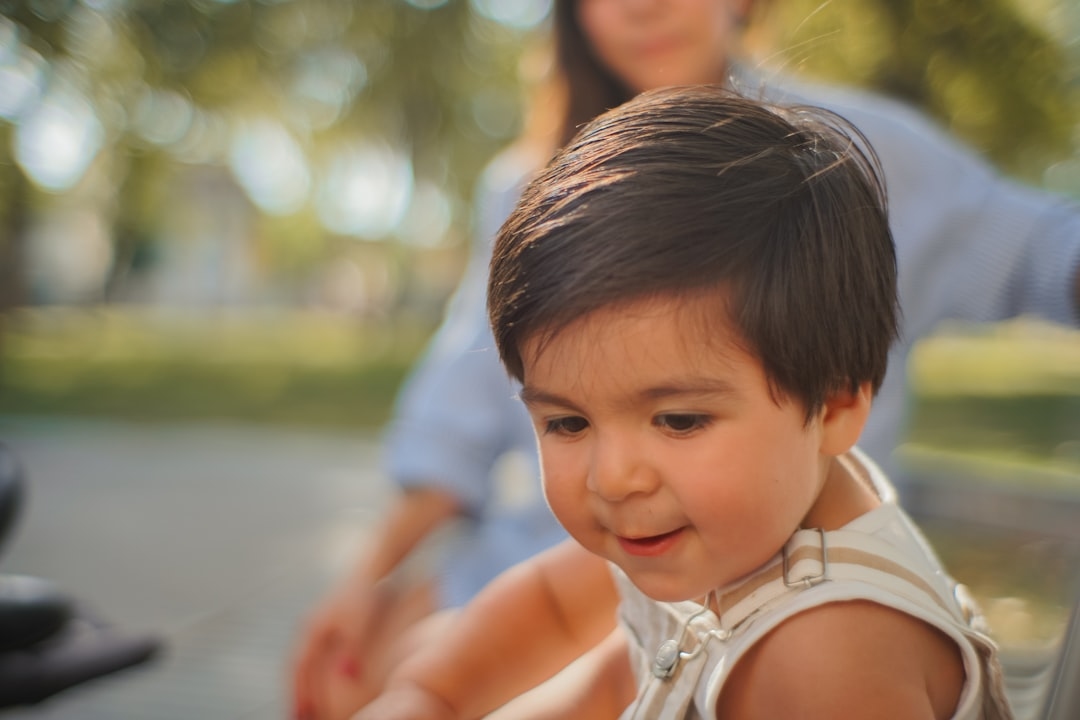
Your baby’s soft, wispy hair caught the afternoon sunlight, and you wondered if there was a safe way to tame those flyaways or create something cute for photos. Styling baby hair feels daunting—their delicate scalps and fine strands seem so vulnerable. The good news? You can absolutely style your baby’s hair beautifully and safely once you understand what works and what to avoid.
Understanding Baby Hair: Why It’s Different
Before learning how to style baby hair, you need to understand its unique characteristics. Baby hair is fundamentally different from older children’s and adult hair. The average infant’s hair is finer (typically 50-70 microns in diameter compared to 70-100 microns for adults), more delicate, and less densely packed on the scalp. Babies are also born with varying amounts of hair—some arrive with thick locks while others have barely noticeable fuzz.
Baby hair typically grows at a rate of 0.3-0.4 millimetres per day. This means a newborn’s hair grows approximately 10-12 millimetres per month. Full-length baby hair can take 12-18 months to establish itself. The texture often changes dramatically during this period. A baby born with straight, dark hair might develop curls by month six, whilst another develops a completely different texture. This natural transformation means styling choices now won’t reflect your child’s permanent hair characteristics.
The scalp beneath baby hair is also incredibly sensitive. Their skin barrier is 30% thinner than adult skin, making it more susceptible to irritation from products, friction, and harsh handling. Understanding these biological facts shapes every styling decision you make.
Essential Safety Principles for Styling Baby Hair
Safety comes first when styling baby hair. Never use elastic bands, clips, or accessories that could catch skin or pull hair at the roots. Avoid rubber bands entirely—they catch fine hair and cause breakage. If securing hair, use soft fabric hair ties designed specifically for babies (approximately £2-4 per pair from high street retailers). These stretchy bands distribute pressure evenly and won’t catch delicate strands.
Never use adult hair products on babies under 12 months without consulting your health visitor. Baby-specific shampoos and products cost roughly £3-6 and contain fewer irritants. Avoid anything with fragrance, sulphates, or alcohol. Read ingredient lists carefully. By 12-18 months, you can introduce gentle children’s products, but baby-specific formulas remain ideal through age two.
Heat styling is absolutely forbidden for babies and children under five years old. Hair dryers, straighteners, and curling irons have no place in baby hair care. Baby hair dries naturally and quickly—typically within 10-15 minutes in air. Excess heat damages the delicate structure and increases scalp irritation risk significantly.
What the Pros Know
Professional paediatric hairdressers report that the safest baby hair styling approach involves minimal manipulation. Rather than frequent styling, focus on protective techniques that preserve hair health. The most experienced children’s stylists in London’s top salons rarely style babies under two years old—they recommend waiting until the child can sit still and tolerate handling. When parents do attempt baby hair styling, professionals advise using only water, soft hairbrushes, and fabric accessories. Chemical treatments, dyes, perms, and even regular blow-drying can compromise baby hair’s integrity and scalp health permanently. One styling session with harsh techniques can affect hair growth for up to two years afterwards.
Basic Techniques for Styling Baby Hair
Water-Based Styling
The simplest and safest method for how to style baby hair involves only water. Dampen your baby’s hair slightly with lukewarm water from a spray bottle. Use 5-10 light spritzes—don’t soak the hair. Work through with your fingers or an ultra-soft baby brush. You can create simple styles: smooth the hair backwards for a clean look, part it gently to the side, or encourage natural curls by twisting damp sections around your finger and allowing them to air-dry.
This water-based approach takes 2-3 minutes and requires no products. It’s completely safe even for newborns. The style lasts until the next wash or moisture fades (typically 1-2 hours). For special occasions, water-based styling works beautifully for photos without any chemical exposure.
Soft Brush Techniques
Invest in a brush designed specifically for babies—these have extremely soft bristles (usually silicone) and rounded edges. Expect to pay £4-8 for quality baby brushes. Brush gently in the direction hair grows. Never brush from the roots towards the ends; instead, brush from the ends towards the roots, working out tangles gradually. This technique prevents breakage and reduces scalp pulling.
Brush your baby’s hair only when it’s slightly damp, never when completely dry. Dry hair breaks more easily. Never brush more than once daily. Most babies’ hair doesn’t require daily brushing—2-3 times weekly is sufficient. Overbrushing causes unnecessary stress on the hair structure.
Parting Techniques
Creating a simple part adds style without manipulation. Use a fine-tooth comb or your fingernail to create a straight part down the middle or to the side. Parts look most natural when they follow baby’s natural hair growth patterns. If baby has a natural whorl or growth direction, work with it rather than against it. Hold the part gently for 30 seconds to encourage the hair to sit that way, then release.
Hair Accessories Safe for Babies
Fabric Hair Ties
Soft, stretchy fabric hair ties are the only safe fastening option for babies. These cost £2-4 per pair and come in various colours. Never use standard elastic bands—they catch fine hair and cause painful pulling. Fabric ties distribute pressure across a wider area and won’t snag delicate strands. Ensure the tie isn’t too tight; you should be able to slip one finger underneath comfortably.
Baby Hair Clips
If using clips, choose ones specifically designed for babies with rounded edges and gentle tension. Avoid sharp metal clips entirely. Baby clips cost £3-6 and typically fasten with velcro or soft springs. Keep clips on for no more than 30 minutes at a time. Never clip baby’s hair tight to the scalp—clips should rest loosely in place.
What to Avoid
Never use bobby pins, hair grips, or standard elastics. Avoid anything with metal parts that could catch skin. Don’t use clips with sharp edges or springs with tight tension. Skip decorative clips with beads or stones that could become choking hazards if they come loose. Skip any accessories that require the hair to be pulled tightly.
Styling by Hair Type
Fine and Straight Baby Hair
For babies with thin, straight hair, less is genuinely more. Focus on keeping hair clean and moisturised rather than attempting complex styles. Water-based styling and soft parting work beautifully. A light moisturising lotion designed for baby skin (not hair-specific, as baby hair rarely needs products) on your fingertips helps manage flyaways. Pat gently—never rub. Cost approximately £4-7 for quality baby moisturiser.
Curly or Coily Baby Hair
Curly baby hair requires different handling. Never brush curly baby hair dry—this creates frizz and damages curl definition. Always wet curls before brushing. Apply water, let curls absorb moisture for 1-2 minutes, then gently finger-detangle or use a soft brush. You can enhance curl pattern by twisting damp sections and allowing them to air-dry. This creates defined curls without any products. Avoid using moisturisers that weigh curls down; instead, use light oils like coconut oil (just 2-3 drops) for moisture without buildup.
Thick Baby Hair
Babies with thick, full hair can tolerate slightly more styling than fine-haired babies. You can attempt simple braids if the child sits still—French braids work beautifully for photos and last throughout the day. However, avoid tight braiding that pulls the scalp. Always use fabric ties to secure braids, and keep braids loose enough to slip a finger under easily. Remove braids before bedtime to prevent overnight tangling.
Common Mistakes to Avoid
- Using adult products: Products formulated for adults contain ingredients too harsh for baby skin. The scalp damage compounds over time. Stick to baby-specific products or water-only styling until age two minimum.
- Styling too frequently: Constant manipulation—daily brushing, multiple styling attempts, accessories left in all day—damages delicate hair. Limit styling to 2-3 times weekly maximum. More manipulation doesn’t create better results; it creates breakage.
- Pulling hair tight: Tight hairstyles that create tension on the scalp cause traction alopecia—permanent hair loss in pulled areas. Never create tight buns, tight braids, or use clips that pull. Always ensure loose, gentle tension.
- Using heat tools: Hair dryers, straighteners, and any heat source damage baby hair irreversibly. Air-drying is always safest and fastest.
- Overcomplicating styles: Babies don’t need fancy hairstyles. Simple water-based styling, soft parting, and perhaps a soft clip or fabric tie look just as adorable whilst being infinitely safer. Save complex styles for later childhood.
- Ignoring scalp health: If your baby develops redness, irritation, or signs of discomfort from styling, stop immediately. Baby’s scalp health matters more than creating a particular look.
Special Occasion Styling for Babies
When you want to style baby hair for photos or special events, water-based techniques combined with soft accessories work beautifully. Create a gentle side part, lightly dampen the hair, and secure with a soft fabric tie or small baby clip. The result looks polished without any risk to delicate strands.
For photoshoots, avoid temptation to use products or heat. Instead, photograph baby’s hair in natural light shortly after waking, when it has volume and shine from proper rest. Morning hair often looks its best—naturally styled, fresh, and healthy. A simple outfit, minimal accessories, and good lighting create far better photos than elaborate hairstyling ever could.
When to Seek Professional Help
Most babies don’t require professional haircuts until age two years old. Before then, hair typically doesn’t grow unevenly or require trimming. However, if your baby’s hair grows unevenly, tangles constantly despite gentle care, or shows signs of damage, consult your health visitor or a paediatric hairdresser (found at major salon chains across the UK).
If your baby develops patches of hair loss, extreme tangles, or scalp irritation, stop styling immediately and seek medical advice. These can indicate underlying conditions requiring professional assessment. Never attempt to diagnose or treat scalp problems with home remedies—babies’ sensitive skin requires professional evaluation.
Transitioning as Baby Hair Grows
As your baby grows into toddlerhood (18-24 months), you can gradually introduce more styling complexity. Soft braids become possible. Simple two-strand twists work beautifully for curly hair. By age three, you can introduce children’s hair products specifically designed for young children. However, maintain the principle of minimal manipulation and always prioritise scalp health over aesthetics.
Talk to your child about hair care as they grow. By age four, children can understand basic concepts about gentle handling. Involve them in choosing accessories. This builds healthy relationships with hair care early, setting foundations for lifetime practices that protect hair health.
FAQ
Q: Is it safe to style my newborn’s hair?
A: Yes, water-based styling is completely safe for newborns. Use water only—no products. Avoid tight accessories and heat. Keep styling minimal and gentle. Most newborns’ hair doesn’t require styling; it naturally looks adorable.
Q: When can I use baby shampoo in hairstyles?
A: Baby shampoo is designed for washing, not styling. For styling, use water only until age 12 months. After 12 months, you can introduce very small amounts of leave-in moisturiser (designed for baby skin, not hair) if needed, but water remains safest.
Q: Can I put my baby in hairstyles with tight tension?
A: Never. Tight hairstyles cause traction alopecia—permanent hair loss. Always keep tension loose enough to slip a finger under any fastening. If your baby seems uncomfortable or has red marks from styling, remove accessories immediately.
Q: What’s the best way to remove tangles from baby hair?
A: Dampen the hair with water, wait 1-2 minutes for moisture to absorb, then gently work through tangles with your fingers first. Use a soft baby brush only if fingers don’t remove tangles. Never brush dry, tangled hair. Work from the ends towards the roots gradually.
Q: How often should I style my baby’s hair?
A: Limit styling to 2-3 times weekly maximum. Babies’ hair doesn’t require frequent styling. More frequent manipulation causes breakage and scalp stress. Between styling, simply wash gently and air-dry naturally.