Can You Spray Perfume in Your Hair? Safe Methods and Alternatives
Contents:
- Why Perfume Poses Problems for Hair
- Alcohol Content and Hair Damage
- Potential Lightening of Hair Colour
- Common Mistakes to Avoid When Scenting Hair
- Safe Perfume Application Methods
- The Cloth Method
- The Distance Method
- The Hair Mist Method
- DIY Hair Fragrance: Eco-Friendly and Budget-Friendly Option
- Comparing Hair Fragrance Options by Cost
- Sustainability and Eco-Friendly Hair Scenting
- Hair Care for Perfumed Hair
- FAQ
- Is it bad to spray perfume in your hair?
- What’s the safest way to make your hair smell good?
- Can perfume lighten dark hair?
- Which perfumes are safest for hair?
- Does perfume in hair cause breakage?
- Why Standard Perfume Can Damage Hair
- Sustainable and Safe Hair Scenting Options
- Specialised Hair Fragrances
- DIY Hair Fragrance Options
- Safe Application Methods for Standard Perfume
- Common Mistakes to Avoid
- Budget Comparison for Hair Scenting
- FAQ Section
- Does perfume in hair damage it?
- Can perfume bleach or discolour hair?
- What’s the best way to apply perfume to hair?
- How long does perfume scent last in hair?
- Can you mix perfume with conditioner for scent?
- Scent Your Hair Safely and Sustainably
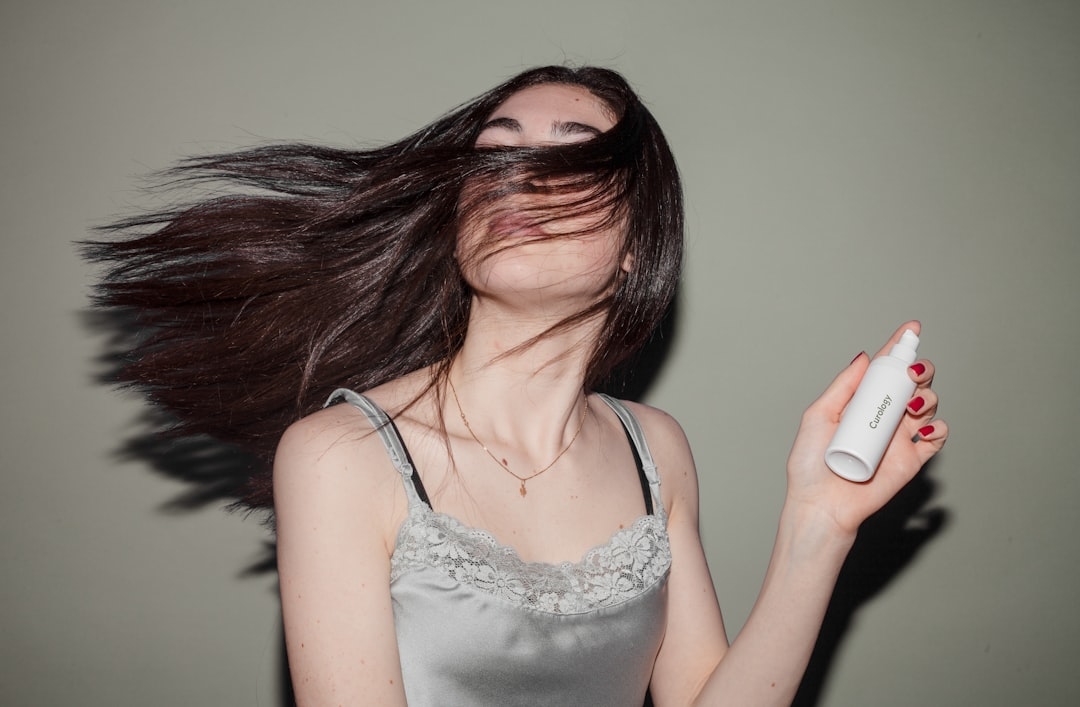
Your hair has been clean for hours, and the delicate floral scent is fading. You reach for your favourite perfume, thinking a quick spritz would refresh it. But is perfume actually safe for your hair? The short answer: technically yes, but with important caveats. Standard perfume can dry out hair, cause brittleness, and potentially lighten darker shades over time if alcohol-based. However, hair fragrances, DIY alternatives, or strategic application allows you to scent your hair without damage.
Can you spray perfume in your hair—the answer depends on the type of perfume and application method. The fundamental issue is straightforward: perfume is formulated for skin, not hair. Skin has natural oils and moisture buffering perfume’s alcohol content. Hair lacks this protection, making it vulnerable to alcohol’s drying effects. Yet scenting your hair is entirely possible with the right products and techniques.
Why Perfume Poses Problems for Hair
Alcohol Content and Hair Damage
Most perfumes contain 15-20% fragrance oils suspended in 70-90% alcohol. This alcohol evaporates on skin, carrying fragrance upward and creating the scent experience. On hair, the same mechanism strips moisture from the hair shaft. Alcohol is a desiccant—it dries whatever it contacts. Hair repeatedly exposed to alcohol-based perfume becomes dry, brittle, and prone to breakage.
This damage accumulates. Weekly perfume spritzing onto hair for months creates noticeable dryness. Daily application causes significant damage within weeks. The more frequently you apply perfume to hair, the greater the damage.
Potential Lightening of Hair Colour
Alcohol and some fragrance oils can slightly lighten dark hair over extended exposure. This effect is subtle and takes months of regular application to become visible. However, it’s real enough that some cosmetic chemists warn against regular perfume application to dark hair. Blonde and light hair show this effect more dramatically than dark hair.
Common Mistakes to Avoid When Scenting Hair
- Spraying perfume directly onto your scalp. – This deposits alcohol on sensitive scalp skin and dries hair at the roots. Always apply to mid-lengths and ends.
- Using body perfume on hair daily. – Daily application guarantees visible dryness within weeks. Maximum frequency is 1-2 times weekly.
- Applying perfume to already-dry hair. – Starting with dry hair and adding alcohol-based perfume ensures severe dryness. Apply to damp hair.
- Not following perfume with any conditioning treatment. – If you’re perfuming your hair regularly, deep condition weekly to compensate for dryness.
- Using cheap or low-quality perfume on hair. – Cheaper perfumes have higher alcohol ratios and lower quality fragrance oils, making dryness worse.
Safe Perfume Application Methods
The Cloth Method
Spray perfume onto a clean cloth, then gently run the cloth through your hair. This dilutes the perfume slightly and gives you better control over application amount. The cloth also absorbs some alcohol before it contacts your hair. This method is safer than direct spraying.
The Distance Method
Spray perfume into the air above your head and walk through the fragrant mist. Minimal perfume contacts your hair directly; most remains suspended in air. This creates a subtle scent without drying effects. The downside: scent is lighter and doesn’t last as long as direct application.
The Hair Mist Method
Use hair mists or hair fragrances specifically formulated for hair rather than skin perfume. These products contain lower alcohol content, hydrating ingredients, and fragrance oils optimised for hair fibres. Brands like Bumble and bumble Hairdresser’s Invisible Oil (£20-25) or Olaplex No. 7 Bonding Oil (£28) combine scent with hair conditioning. Cost is higher than perfume (£15-30 per bottle) but the products are gentler.
DIY Hair Fragrance: Eco-Friendly and Budget-Friendly Option
Create your own hair fragrance by adding a few drops of essential oil to a spray bottle filled mostly with water. Use oils like lavender, rose, or jasmine (approximately £5-8 for a bottle that lasts months). Spritz lightly on hair. The water base doesn’t dry hair; essential oils provide genuine scent. This costs substantially less than commercial hair mists (total cost: £10-15 for a batch that lasts several months) and avoids alcohol entirely.
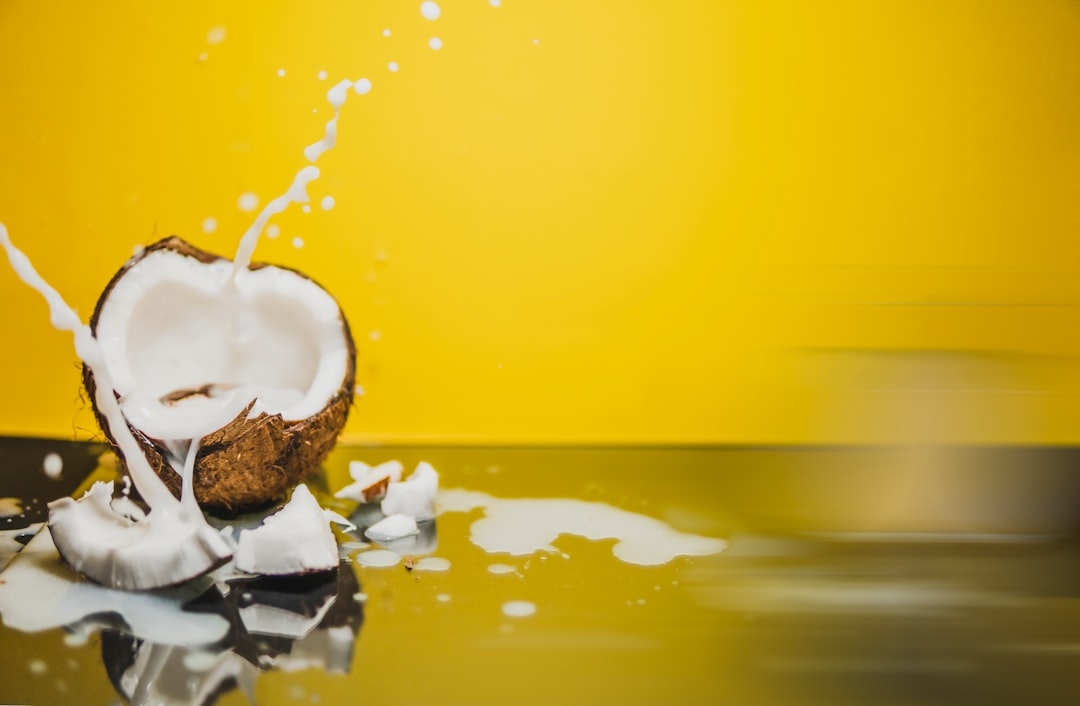
Alternative DIY approach: add one drop of essential oil to a small amount of coconut oil, then apply sparingly to hair ends. This conditions whilst scenting, creating a nourishing rather than drying effect.
Comparing Hair Fragrance Options by Cost
- Body perfume spray (cheapest option): £15-40 per bottle. Higher alcohol, risk of drying. Use minimally and only 1-2x weekly. Cost per application: £0.10-0.30
- Hair mist (safe option): £15-25 per bottle. Formulated for hair, safer ingredients, gentle. Cost per application: £0.15-0.25
- DIY essential oil spray (most eco-friendly): £10-15 one-time cost, then £2-3 per refill. Zero alcohol, completely customisable, sustainable. Cost per application: £0.05
- Luxury hair fragrance (highest cost): £25-50 per bottle. Premium ingredients, typically longer-lasting. Cost per application: £0.30-0.50
Sustainability and Eco-Friendly Hair Scenting
Commercial perfume bottles generate packaging waste. Hair mists require plastic bottles. DIY essential oil sprays in reusable glass bottles (approximately £3-5) provide the most eco-conscious option. Refilling your same spray bottle monthly reduces waste to just a small essential oil bottle annually. This approach appeals to environmentally conscious consumers looking to reduce their beauty routine’s environmental impact.
Hair Care for Perfumed Hair
If you regularly apply perfume to your hair (even once weekly), establish a deep conditioning routine. Weekly deep conditioning compensates for alcohol’s drying effects. Use moisture-rich masks (£8-15) and leave them on for 10-20 minutes. Additionally, trim every 8 weeks to prevent accumulated damage from creating split ends.
FAQ
Is it bad to spray perfume in your hair?
Not if done occasionally and strategically. Spraying perfume on hair 1-2 times monthly is unlikely to cause damage. Weekly or daily application, particularly with cheap perfume, causes noticeable dryness and damage over time.
What’s the safest way to make your hair smell good?
Hair mists formulated specifically for hair are safest. DIY essential oil sprays are also safe and cheaper. If using body perfume, spray it onto cloth first, then run through hair rather than applying directly.
Can perfume lighten dark hair?
Yes, marginally, with repeated application over months. The effect is subtle on dark hair but more visible on light hair. Using perfume 1-2 times monthly minimises this risk. Using it daily could create noticeable lightening within months.
Which perfumes are safest for hair?
Eau de toilette (3-5% fragrance, more alcohol) is worse for hair than eau de parfum (15-20% fragrance, slightly less alcohol percentage). Alcohol-free perfumes or oil-based fragrances are safest. Hair mists and hair perfumes are formulated to be safe for hair.
Does perfume in hair cause breakage?
Yes, repeated application of alcohol-based perfume causes dryness that leads to breakage. The breakage typically appears on ends first, where hair is already more vulnerable. Regular deep conditioning prevents breakage if you’re using perfume on hair regularly.
Understanding can you spray perfume in your hair allows you to make informed choices. You can scent your hair beautifully without damage by selecting the right products, applying strategically, and maintaining proper hydration. Hair mists or DIY solutions offer safety and scent combined, delivering the best outcome for hair health.
Why Standard Perfume Can Damage Hair
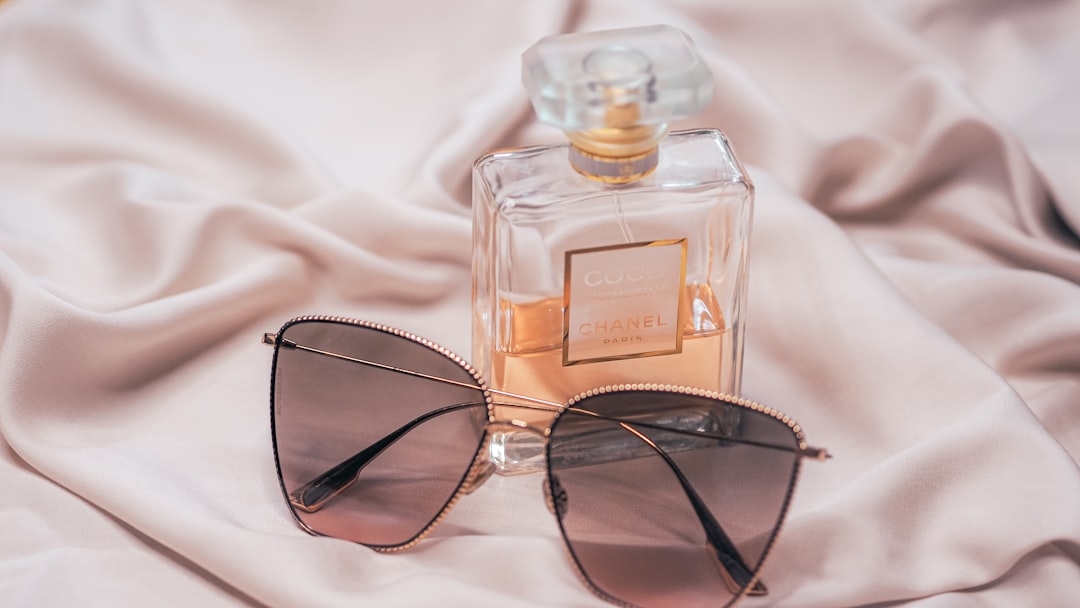
Perfume contains 15-20% fragrance oils mixed with 80-85% alcohol. This high alcohol content serves important purposes on skin—it helps fragrance disperse, dry quickly, and last longer. But on hair, alcohol strips natural moisture, leaving strands dry and brittle. Regular perfume application to hair gradually makes it drier, more prone to breakage, and more susceptible to frizz.
Additionally, some perfume components can subtly bleach or discolour hair over extended periods. This is especially noticeable on light or blonde hair, where repeated perfume application can create slight yellowing or uneven tone. Darker hair shows less visible discolouration but still experiences the same moisture loss.
The concentrated nature of perfume also means it sits heavily on hair if applied directly. Rather than dispersing evenly (as it would on skin), perfume tends to collect on the outer strands, creating a stiff, product-laden feel rather than the light, fresh scent you intended.
Sustainable and Safe Hair Scenting Options
Specialised Hair Fragrances
Hair-specific fragrances are formulated with lower alcohol content and conditioning agents that protect hair. Brands like Bumble and bumble, Bumble and bumble Hairdressing, or Olaplex Fragrance Mist (£25-45) are designed for hair and deliver long-lasting scent without damage. These cost more than standard perfume but are worth the investment if you frequently scent your hair.
Hair fragrances typically contain less than 5% alcohol versus perfume’s 15-20%, making them gentler on delicate strands. They also include nourishing ingredients—oils, proteins, or silicones—that condition while they scent.
DIY Hair Fragrance Options
Create your own hair scent with minimal cost. Mix a few drops of your favourite essential oil with distilled water in a spray bottle (ratio: 2-3 drops oil per 100ml water). Spray lightly on hair for delicate, natural scent. This method avoids alcohol entirely, making it extremely gentle. Essential oils are concentrated, so a little goes far.
Alternatively, mix a drop or two of essential oil into a light hair oil (coconut, argan, or jojoba oil at £5-10). Smooth this through your hair’s mid-lengths and ends for scent plus conditioning benefits. This method combines fragrance with hair care.
Sustainable Option: DIY Fragrance Water
Mix rosewater or witch hazel (both available at Boots or Superdrug, £3-6) with a few drops of essential oil in a spray bottle. Rosewater and witch hazel have minimal alcohol compared to perfume, and they’re already formulated for sensitive skin. This sustainable approach uses simple ingredients, costs little, and conditions while scenting.
Safe Application Methods for Standard Perfume
If you want to use your regular perfume on hair (rather than purchasing specialized products), application method matters enormously. Never spray perfume directly onto hair—this concentrates alcohol and fragrance in one spot, causing maximum damage and creating a stiff, heavily scented section.
Instead, spray perfume onto your hands and gently smooth through your hair’s mid-lengths and ends (avoiding roots where oil production already adds weight). Apply minimally—perfume should be barely detectable, not overwhelming. This disperses fragrance throughout rather than concentrating it, reducing damage.
Alternatively, spray perfume in front of you, then walk through the mist, allowing hair to catch fragrance lightly. This is the gentlest application method and distributes scent most evenly. It uses more perfume but damages hair less than direct application.
Common Mistakes to Avoid
Mistake one: spraying perfume directly on hair repeatedly. This causes cumulative drying and potential discolouration. Mistake two: using perfume on wet hair. Water and perfume’s alcohol mix unpredictably, sometimes causing staining or discolouration. Apply perfume to dry hair only.
Mistake three: applying perfume near the scalp. Roots don’t need scent and accumulate oil naturally; adding perfume’s drying alcohol worsens oiliness issues. Focus on mid-lengths and ends. Mistake four: forgetting that perfume lingers. A tiny amount provides scent for hours; you don’t need to apply heavily or frequently.
Mistake five: using body fragrances (which are lower concentration than perfume) thinking they’re safer. Body spray contains similar alcohol ratios; concentration doesn’t matter—the alcohol percentage does. Only specialized hair fragrances are genuinely hair-safe.
Budget Comparison for Hair Scenting
Standard perfume: £30-80 per bottle (but you’re using less on hair, so it lasts longer). Specialized hair fragrance: £25-45 per bottle. DIY fragrance water: £5-10 for supplies (lasts months). DIY essential oil + hair oil: £10-15 for supplies. For budget-conscious readers, DIY options offer excellent value—you’re creating hair-safe fragrance for a fraction of commercial prices.
FAQ Section
Does perfume in hair damage it?
Standard perfume’s high alcohol content does dry hair over time. One application barely matters, but regular perfume application causes cumulative drying. Specialized hair fragrances don’t damage; DIY options don’t damage. Standard perfume damages minimally with careful application but maximally with frequent direct application.
Can perfume bleach or discolour hair?
Rarely bleach outright, but perfume’s alcohol content can subtly alter hair colour over long periods, particularly on light hair. This is most noticeable on blonde or pale ash-brown hair. Darker hair shows minimal visible discolouration. Avoiding direct perfume contact on hair prevents this possibility.
What’s the best way to apply perfume to hair?
Spray perfume into your hands and smooth through mid-lengths and ends, or spray in front of you and walk through the mist. Never spray directly onto hair. Use minimally—a light scent is preferable to heavy fragrance. Apply to dry hair only.
How long does perfume scent last in hair?
Perfume lasts 4-8 hours in hair, sometimes longer depending on fragrance intensity and hair texture. Hair fragrances formulated to last longer than standard perfume. If your scent fades quickly, you might be applying too much—use less and apply more frequently rather than applying heavily once.
Can you mix perfume with conditioner for scent?
Not recommended with concentrated fragrance or perfume (too much alcohol concentration). You could add a tiny drop of essential oil to conditioner, but mixing perfume with conditioner creates unpredictable results. Better to apply fragrance after conditioning rather than mixing them.
Scent Your Hair Safely and Sustainably
Hair can be beautifully scented without damage. Specialised hair fragrances, DIY fragrance waters, or careful standard perfume application all work. Choose based on your preference and budget. DIY options are gentlest and most sustainable. Specialized products are most convenient. Standard perfume requires careful technique but works if applied minimally and strategically. Any of these approaches yields delightfully scented hair without the drying, damage-prone outcomes of careless perfume use.