Should I Dye My Hair? What You Need to Know Before Taking the Plunge
Contents:
- Why People Consider Dyeing Their Hair
- Assessing Your Hair’s Current Health
- Understanding Different Colouring Methods
- Permanent Colour
- Semi-Permanent Colour
- Temporary Colour
- Matching Colour to Your Skin Tone
- Common Mistakes to Avoid
- Budget Considerations for 2026
- Lifestyle and Maintenance Reality
- Making Your Decision
- Frequently Asked Questions
The Egyptians were colouring their hair as far back as 1500 BC, mixing plant extracts and minerals to create rich hues. What started as a luxury for royalty eventually became accessible to everyone. Today, roughly 80% of women in the UK have coloured their hair at some point. Yet this simple decision—should you or shouldn’t you—remains surprisingly complex.
Why People Consider Dyeing Their Hair
The reasons behind hair dye decisions vary widely. Some seek to cover greys as they emerge. Others fancy a complete reinvention—a fresh start in a new colour. For many, it’s about self-expression or matching an evolving personal style. A reader named Sarah recently shared her experience: after 15 years of the same mousy brown, she felt invisible. A honey blonde transformation at 42 restored her confidence in ways she hadn’t anticipated. Her hairdresser told her this was remarkably common—the psychological shift from changing hair colour often extends far beyond appearance.
Practical reasons matter too. Growing out natural grey can take months, making strategic colouring a time-saver. Some people colour to correct damage or brassiness from previous treatments. Others simply want seasonal variation without long-term commitment.
Assessing Your Hair’s Current Health
Before scheduling that appointment, look honestly at your hair’s condition. Dye works best on healthy hair and can expose existing damage. Run a simple test: take a strand from the back of your head and gently stretch it when dry. If it breaks immediately, your hair needs strengthening first. If it stretches slightly, you’re in decent shape.
Check the specific damage markers: split ends, brittleness, or excessive frizz all suggest pre-treatment conditioning is necessary. Hair damaged from previous colour treatments, heat styling, or chemical straightening needs extra care. Many professionals recommend waiting 4-6 weeks after another colour service before dyeing again. If your hair feels rough like straw, work with a deep conditioning routine for at least two weeks before colouring.
Understanding Different Colouring Methods
Permanent Colour
Permanent dyes use ammonia to lift the cuticle and deposit colour deep into the hair shaft. This delivers the most dramatic transformations and longest-lasting results—typically 6-8 weeks before visible roots. However, permanent dyes cause the most chemical stress. The ammonia can be harsh on sensitive scalps, and repeated applications damage hair structure over time. Costs at a UK salon typically run £55-£120 depending on length and complexity.
Semi-Permanent Colour
Semi-permanent dyes (sometimes called demi-permanent) contain no ammonia and sit on the hair surface without lifting the cuticle. They fade gradually over 4-6 weeks, making them ideal for testing a new shade before committing. They’re gentler on damaged hair and cost roughly £30-£70 at UK salons. The trade-off: they work best on pre-lightened or very light hair and cannot create dramatic darkening.
Temporary Colour
Washable colour sprays, mousses, and chalk last only until your next shampoo. Perfect for experimenting without any chemical commitment. Prices range from £5-£20. These suit apartment dwellers with minimal storage space and minimal risk tolerance.
Matching Colour to Your Skin Tone
The most flattering colours harmonise with your natural undertone. This means identifying whether your skin leans warm (golden, peachy), cool (pink, rosy), or neutral. A quick test: check the inside of your wrist. If veins appear greenish, you’re warm-toned. Bluish veins indicate cool undertones. Both equally visible suggests neutral.
Warm undertones suit warm colours: golden blondes, copper reds, warm browns, and caramel tones. Cool undertones shine with ash blondes, platinum, cool reds, and cool browns. Neutral undertones can pull off nearly anything but often look best with jewel tones like burgundy or deep plum.
Your natural hair colour already works with your undertone—it’s why you probably looked healthy before. Moving dramatically away from this baseline risks an unflattering result. For example, a cool-toned person going warm red might look washed out, whilst warm-toned skin moving to ash blonde can appear sallow.
Common Mistakes to Avoid
The biggest error: comparing yourself to celebrities in professional lighting with professional photography. Filters, makeup, and styling all shift how colour appears. That Instagram reel of platinum blonde might look completely different on your hair type under your lighting at home.
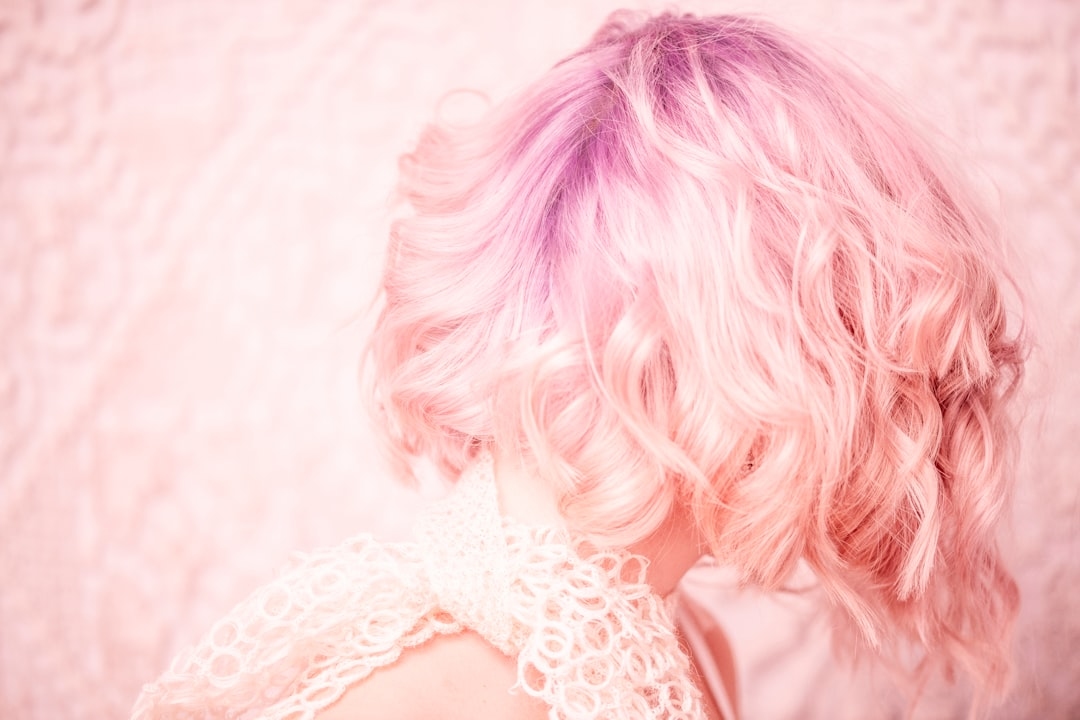
Second mistake: ignoring your hair’s current state. Bleaching already-damaged hair causes breakage. Semi-permanent colour won’t grip coarse or very porous hair evenly, creating patchy results. Third: choosing colour based purely on trend. Maintenance matters. Fashion colours like rose gold require toning every 2-3 weeks (£15-£30 each time) to prevent fading to muddy tones.
Fourth: underestimating the commitment. Root touch-ups for permanent colour happen every 4-6 weeks, adding up to £220-£720 yearly at salons. Home maintenance with toner, purple shampoo, or colour-depositing conditioner is essential but adds extra product costs (£8-£15 monthly). Finally, many people skip the patch test, leading to unexpected allergic reactions. Always test behind your ear 48 hours before application.
Budget Considerations for 2026
UK salon prices vary significantly by region and salon prestige. A single colour application in London might cost £100-£180, whilst the same service in smaller towns averages £50-£80. Balayage or highlights run £80-£200. Home colouring kits cost £5-£15 but require honesty about your skill level. Most professionals recommend professional application for first-time dramatic changes.
Budget for ongoing costs: colour-safe shampoo (£6-£12 per bottle), conditioner (£6-£12), and possibly colour-depositing treatments (£8-£15). With quarterly root touch-ups and these products, expect £500-£1000 annually if maintaining salon-applied colour.
Lifestyle and Maintenance Reality
Dyed hair demands more attention than natural hair. Chlorine from swimming fades colour and can create unwanted greenish tones. Frequent washing strips dye faster—most colourists recommend shampooing only 2-3 times weekly. Heat styling degrades colour, requiring heat-protectant products (£5-£12).
Limited living space adds complications. Colour treatments smell strong and require good ventilation. Application can be messy, especially roots. If you’re in a small flat with housemates, timing matters. Some people find the commitment energising; others find it draining.
Making Your Decision
Ask yourself these three questions honestly. First: Is this something you genuinely want, or are you responding to pressure or temporary mood? Second: Can you realistically manage the maintenance—both financially and practically? Third: Have you researched how this specific shade will look on you through multiple photos under different lighting?
If the answer is yes, start small. Semi-permanent colour, temporary colour, or a subtle shift within your natural range all carry lower risk. If those feel satisfying, you can graduate to more permanent or dramatic options. If uncertainty lingers after that trial, it’s perfectly valid to stay as you are. Your natural colour has served you well and knows your undertone.
Frequently Asked Questions
How long does permanent hair dye last?
Permanent colour lasts through about 6-8 weeks of growth before visible roots appear. The colour molecules don’t technically fade from hair, but your natural roots growing in create contrast. Some fading does occur with washing, especially in the first few weeks.
Can I dye my hair at home safely?
Home dyeing works for simple applications like root touch-ups or subtle darkening. It’s riskier for dramatic lightening, fashion colours, or if you have textured or previously coloured hair. Always do a patch test 48 hours before application and follow instructions exactly.
Will dyeing my hair damage it permanently?
Permanent colour does cause structural changes, but the damage isn’t permanent to your hair itself. As hair grows out (about 6 inches monthly), fresh undamaged hair replaces the coloured section. Proper care can minimise damage significantly.
What should I do if I hate the colour?
Don’t panic immediately—colour perception shifts under different lighting and changes slightly as it settles. If you truly dislike it after a week, a professional colourist can often correct it. Colour correction costs more than initial application (typically £80-£150), so this reinforces why testing first matters.
Is it ever too late to start dyeing hair?
No age limit exists. Many people colour hair for the first time in their 50s, 60s, or beyond. Your hair’s condition matters far more than your age. If hair is healthy, it can be coloured at any point in life.
Hair colour is ultimately expression meeting chemistry. Some people feel transformed by it and never look back. Others try it once and return to their natural shade. Both choices are perfectly valid. The question isn’t whether you should dye your hair—it’s whether you want to, and whether you’re willing to maintain it. Answer those honestly, and you’ll know what’s right for you.