Does Hair Grow Back After Chemo? Timeline and Recovery Facts
Contents:
- Why Does Chemotherapy Cause Hair Loss?
- The Timeline: When Does Hair Grow Back After Chemo?
- Months 0-3 After Treatment Ends
- Months 3-6: Initial Regrowth
- Months 6-12: Accelerating Growth
- Months 12-18+: Approaching Baseline
- Common Mistakes to Avoid During Hair Regrowth
- Practical Support During Regrowth
- Scalp Care and Preparation
- Nutritional Support
- Cost Breakdown for Regrowth Support
- Hair Texture and Colour Changes: Why They Happen
- Wigs and Alternatives During Regrowth
- FAQ: Hair Regrowth After Chemotherapy
One of the most feared side effects of chemotherapy is hair loss, and understandably so. Hair loss can feel like a visible reminder of illness, affecting confidence and identity during an already difficult time. The question that matters most is: does hair grow back after chemo? The answer is almost always yes, though understanding the timeline and recovery process helps manage expectations and plan ahead.
Why Does Chemotherapy Cause Hair Loss?
Chemotherapy drugs target rapidly dividing cells to destroy cancer. Hair follicles are among the fastest-dividing cells in the body, so chemo inadvertently damages them. Specifically, chemotherapy disrupts hair in the active growth phase (anagen), causing them to stop growing and enter the resting phase (telogen). The result is shedding that begins 1-3 weeks after chemo starts and typically peaks 4-6 weeks into treatment.
Not all chemotherapy drugs cause hair loss equally. Some (like carboplatin or docetaxel) reliably cause baldness; others (like some oral chemotherapies) have minimal hair impact. Your oncologist can discuss the specific likelihood based on your treatment regimen.
The Timeline: When Does Hair Grow Back After Chemo?
Months 0-3 After Treatment Ends
Hair remains dormant. The scalp may feel sensitive or tender. This period requires gentle care but no active hair recovery interventions.
Months 3-6: Initial Regrowth
Noticeable regrowth typically begins 3-6 months after the final chemotherapy session. Fine, soft “baby” hair appears first, often noticeably fuzz-like across the scalp. This hair is typically single-strand and lighter in colour or texture than original hair. Growth rate averages 0.5-1 cm per month during this phase, slower than normal scalp hair (approximately 1-1.5 cm monthly).
Months 6-12: Accelerating Growth
Hair thickens and darkens. By month 9-12, growth approximates normal rate. Hair length reaches shoulder-length for those who had long hair before treatment. Many people transition to shorter or pixie cuts during regrowth, both for convenience and to blend the new growth with any remaining original hair.
Months 12-18+: Approaching Baseline
Hair continues normalising. Texture and colour stabilise, often matching pre-treatment characteristics. Full recovery takes longer for longer hair; someone accustomed to waist-length hair takes 3-5 years to fully recover, whilst shoulder-length hair recovers by 18-24 months.
Common Mistakes to Avoid During Hair Regrowth
- Cutting too frequently: Avoid aggressive cuts in months 3-9. Trim minimally (quarter-inch every 8 weeks) to blend regrowth without sacrificing length recovery.
- Chemical treatments: No colouring, perming, or relaxing for minimum 12 months post-chemo. Scalp sensitivity and fragile new hair cannot tolerate chemical processing.
- Heat styling: Avoid blow dryers, flat irons, and curling tools for the first 6-9 months. Air-dry whenever possible. When heat becomes necessary, use lowest settings and always apply heat protectant spray.
- Tight hairstyles: Avoid ponytails, braids, or tight buns during regrowth. New hair is fragile; mechanical stress causes breakage. Loose styles only.
- Harsh shampoos: Sulfate-containing products strip new hair. Use gentle, sulfate-free formulas (brands like Free & Clear or Aveeno, typically £5-8).
Practical Support During Regrowth
Scalp Care and Preparation
Begin scalp massage 2-3 months post-chemo, using gentle fingertip pressure in circular motions for 5 minutes daily. This stimulates blood circulation and prepares the scalp for regrowth. Avoid rough massage or vigorous brushing—new follicles are vulnerable.
Nutritional Support
Hair regrowth requires protein, iron, zinc, and B vitamins. Ensure adequate protein intake (1-1.2 g per kg body weight daily). Supplementation with iron (ferritin above 50 ng/mL), zinc (15-25 mg daily), and B-complex vitamins supports recovery. Many cancer centres recommend nutritional assessment post-treatment; ask your oncology team for referral to a registered dietitian.
Cost Breakdown for Regrowth Support
- Gentle, sulfate-free shampoo: £5-12 per bottle (3-month supply)
- Protein treatment products: £8-15 for quality brands
- Zinc and iron supplements: £3-8 monthly
- B-complex vitamins: £4-10 monthly
- Professional scalp treatments (optional): £40-80 per session at trichology clinics
- Total monthly support: £15-30 (compared to chemotherapy costs, minimal)
Hair Texture and Colour Changes: Why They Happen
Regrowing hair after chemo is sometimes different from original hair. Changes include:
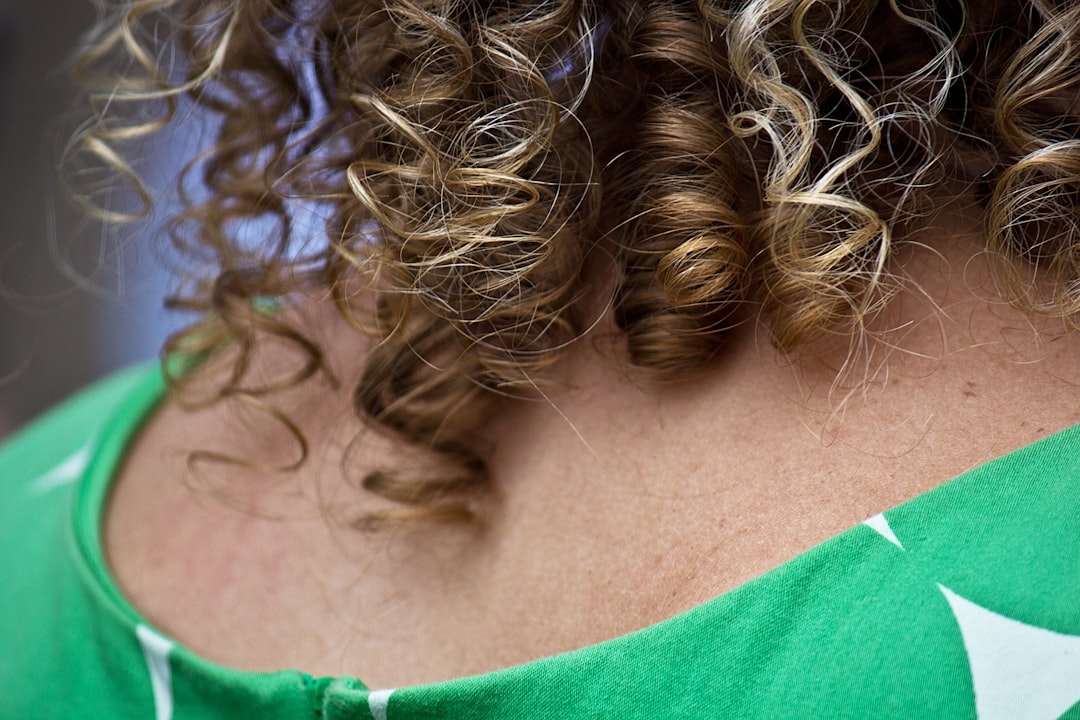
- Curlier texture: Straight hair may regrow with wave or curl, likely due to chemical effects on follicle shape during recovery.
- Darker colour: Hair often regrrows slightly darker than pre-treatment shade. This typically normalises over months as original pigmentation resumes.
- Thicker texture: New hair often feels coarser initially. This usually softens as hair matures.
These changes are not permanent. Within 2-3 years, most people’s hair returns to original characteristics. If changes persist, consult a trichologist, who can assess whether specific treatments (like protein conditioning) would benefit texture or colour.
Wigs and Alternatives During Regrowth
Many people wear wigs or scarves during the regrowth phase (months 0-6) whilst regrowth is still minimal. Options include:
- Medical wigs: Specifically designed for post-chemo wear. NHS may cover costs through cancer centres. Private wigs range £50-500. Higher-quality human-hair wigs cost £200-400 but provide unmatched realism and comfort.
- Scarves and wraps: Practical, comfortable, lower cost (£5-30). Many people find these easier than wigs during warm months.
- No cover: Many embrace baldness or minimal hair. This is a personal choice; support is available regardless of decision.
FAQ: Hair Regrowth After Chemotherapy
Is permanent hair loss possible from chemotherapy? Permanent alopecia is extremely rare (less than 5% of cases) and typically associated with very high-dose chemotherapy or scalp radiation. Standard chemotherapy regimens produce reversible hair loss. Discuss your specific risk with your oncologist if concerned.
Can I colour my hair whilst it’s regrowing? Wait minimum 12 months post-chemo before any chemical hair treatments. New hair is fragile and scalp sensitivity may persist. Permanent or semi-permanent dyes carry risk until month 12+; temporary colour products are safer earlier.
Should I cut my hair short to help regrowth? Hair length doesn’t affect growth rate. Cutting doesn’t promote faster regrowth, but shorter styles reduce the visual appearance of regrowth imbalance. Many people elect to cut short (pixie or bob) during regrowth for convenience and blending.
What supplements specifically support hair regrowth after chemo? Prioritise: iron (ferritin 50+ ng/mL), zinc (15-25 mg daily), B12 (1000+ mcg daily for optimal levels), biotin (2.5 mg daily), and overall protein. A registered dietitian can advise based on blood work.
When is it safe to use heat styling tools again? Month 9+ is generally safe, using low settings with heat protectant. Months 3-9, air-dry exclusively if possible. Individual scalp sensitivity varies; when in doubt, ask your oncology team or a trichologist.
Hair loss during chemotherapy is temporary, and regrowth is almost certain. Although the timeline—12-18 months for noticeable recovery—feels long in the moment, hair does return. Many people find that caring for themselves during regrowth (scalp massage, nutritional support, gentle styling) becomes a meaningful part of recovery. Your oncology team can answer specific questions about your treatment’s hair-loss likelihood, and support organisations like Macmillan Cancer Support offer free wigs and head coverings if needed. You will have your hair back.