How to Fix Dry Hair: A Complete Guide to Restoring Moisture and Shine
Contents:
- Understanding Dry Hair: What’s Actually Happening
- How to Fix Dry Hair: The Foundation Steps
- Choose the Right Shampoo and Conditioner
- Reduce Heat Styling and Adjust Water Temperature
- Deep Conditioning: The Core Treatment
- Seasonal Timeline: When Dry Hair Strikes and How to Respond
- Practical Treatments to Fix Dry Hair at Home
- Protein Treatments for Damaged Hair
- Scalp Care: The Often-Overlooked Element
- Trim Regularly to Stop Damage Spreading
- Budget Breakdown: How Much Does Dry Hair Treatment Cost?
- Lifestyle Changes That Reduce Dry Hair
- Hydration and Diet
- Sleep Position and Friction
- Reduce Chemical Treatments
- When to Seek Professional Help
- Frequently Asked Questions About Dry Hair
- How long does it take to fix dry hair?
- Is my dry hair permanent damage or temporary?
- Can dry hair be caused by shampooing too often?
- Does coconut oil work for all hair types?
- What’s the difference between dry hair and dehydrated hair?
- Moving Forward: Building a Sustainable Hair Care Routine
Dry hair results from moisture loss in the hair shaft. Reverse it through deep conditioning treatments, reducing heat styling, using hydrating shampoos, and adjusting your water temperature. Most people see improvement within 2-4 weeks with consistent changes.
Understanding Dry Hair: What’s Actually Happening
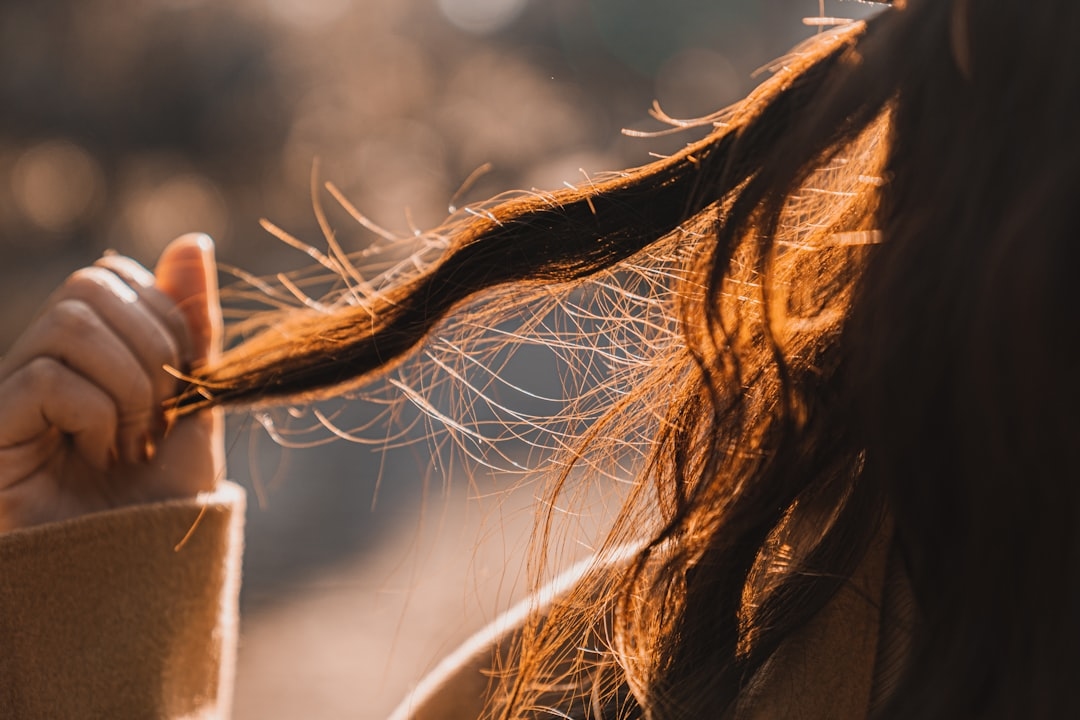
Hair dryness isn’t random—it’s the result of moisture escaping from the hair cortex, the innermost layer containing proteins and natural oils. Your hair cuticle, the outer protective layer made of overlapping scales, acts like a gatekeeping system. When these scales lie flat, moisture stays locked inside. When they lift, water evaporates, leaving hair brittle and dull.
Several factors cause this lifting: heat styling, harsh shampoos, chemical treatments, environmental stressors, and simply not conditioning enough. The British climate’s variable humidity between seasons plays a particular role. Winter brings low humidity and cold air that draw moisture from hair. Summer sun exposure damages the protein structure, making it harder for hair to hold water.
Hair takes between 5-7 years to complete its growth cycle. Dry hair typically affects the ends first—the oldest part of your hair shaft—because those areas have endured the most damage and handling over years of growth.
How to Fix Dry Hair: The Foundation Steps
1. Choose the Right Shampoo and Conditioner
Shampoo strips away oil, but standard formulas remove too much. Switch to a sulphate-free shampoo designed for dry or damaged hair. Sulphate-free variants are gentler because they don’t contain sodium laureth sulphate, which creates that satisfying lather but also strips the hair’s natural sebum layer more aggressively.
Look for shampoos containing humectants like glycerin or panthenol, which pull moisture into the hair shaft. Budget-conscious shoppers can find effective options between £4-8 per bottle. Premium brands range from £15-40, but price doesn’t always correlate with results.
Conditioning is non-negotiable. Apply conditioner to the middle and ends of your hair, never the scalp. Leave it on for 2-3 minutes minimum. Many people rush this step—the longer contact time allows the conditioner’s conditioning agents to penetrate and seal the cuticle. For particularly dry ends, apply conditioner the night before and sleep with it in a shower cap.
2. Reduce Heat Styling and Adjust Water Temperature
Heat styling is the single biggest controllable factor in dry hair. Hair protein denatures at 70°C, meaning blow dryers (which reach 80°C+) and flat irons cause cumulative damage. Instead: air-dry when possible, use a heat protectant spray (creates a barrier between hair and heat), and style damp rather than soaking wet hair.
Water temperature matters more than most people realise. Wash hair in lukewarm or cool water, finishing with a cool rinse. Hot water opens the cuticle and forces it to stay open longer, allowing moisture to escape. Cool water seals it closed, trapping moisture inside.
3. Deep Conditioning: The Core Treatment
Deep conditioning is to dry hair what intensive physiotherapy is to injured muscles. Do this once weekly minimum. Three options exist:
- Leave-in conditioners (£6-20): Apply to damp hair and don’t rinse. Light enough for daily use.
- Hair masks and treatments (£8-25): Apply, leave for 10-20 minutes, then rinse. Richer formulations.
- Hot oil treatments (£4-15): Coconut, argan, or jojoba oil heated and applied to hair, wrapped in a hot towel for 15 minutes. Most affordable option.
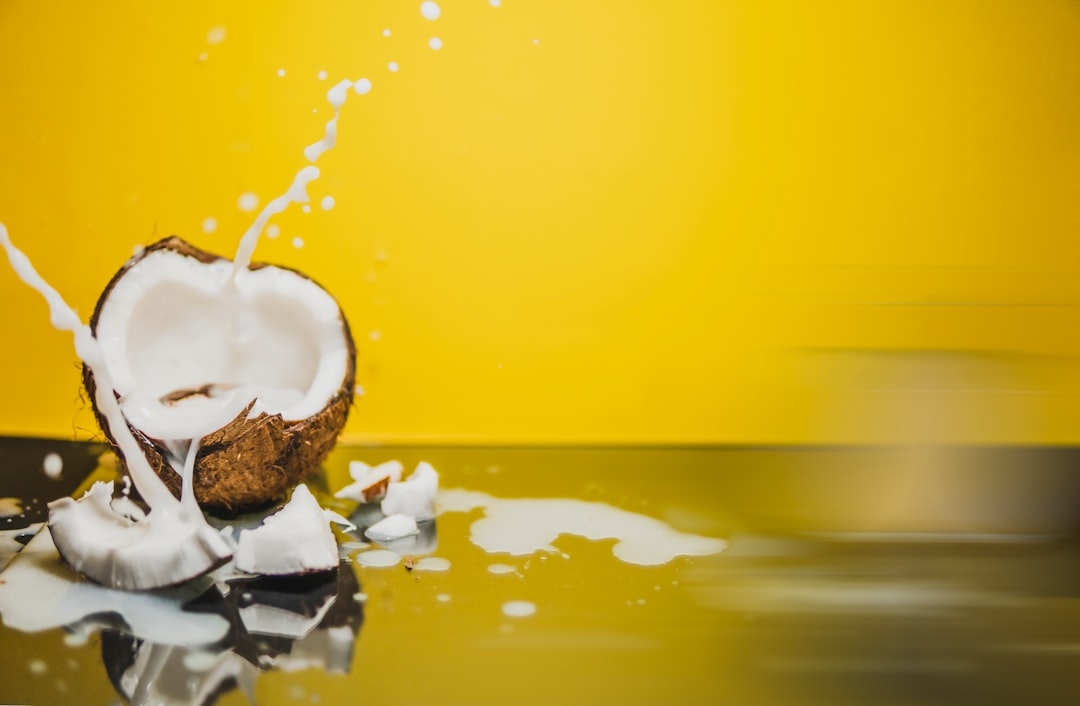
Hot oil treatments deserve specific mention because they’re remarkably effective and economical. Coconut oil penetrates the hair shaft better than most conditioners because its molecular structure is simple enough to pass through the cuticle. Warm a small amount (2-3 tablespoons for shoulder-length hair), apply to damp hair focusing on the middle and ends, wrap in a shower cap or towel, and leave for 15-30 minutes. Shampoo thoroughly to remove the oil afterwards.
Seasonal Timeline: When Dry Hair Strikes and How to Respond
Dry hair patterns shift throughout the year in the UK climate:
- December-February: Central heating indoors (humidity drops to 30-40%) combined with cold outdoor air creates peak dryness. Increase deep conditioning to twice weekly during this period.
- March-May: Spring growth begins. Hair becomes more resilient but remains vulnerable. Maintain weekly deep conditioning and introduce a hydrating leave-in spray.
- June-August: UV damage from summer sun becomes the primary concern. Dry hair may worsen due to sun exposure and chlorine (if swimming). Use UV-protective hair products and rinse chlorine out immediately after swimming.
- September-November: Humidity normalises but hair has accumulated summer damage. This is ideal timing for treatments and protein-based conditioning to restore structure.
Plan your intensive treatments around these seasonal shifts. A 3-month cycle typically works well: aggressive treatments during winter, maintenance during spring, UV protection during summer, and restorative conditioning in autumn.
Practical Treatments to Fix Dry Hair at Home
Protein Treatments for Damaged Hair
Dry hair is often protein-starved. Hair is made of keratin, a fibrous protein. Damage causes tiny breaks in this protein structure, allowing moisture to leak out. Protein treatments fill these microscopic gaps, temporarily restoring strength and elasticity.
Use protein treatments once weekly if hair is severely damaged, every 2-3 weeks for mild dryness. Overuse (more than weekly) can make hair brittle, so monitor how your hair feels. Good budget options include Aphogee (£8-12) or Sally Beauty protein treatments. Premium alternatives like K18 (£32) are more concentrated but last longer.
Scalp Care: The Often-Overlooked Element
A dry scalp produces less sebum, your hair’s natural conditioner. Massage your scalp for 5 minutes daily using fingertips (not nails) in circular motions. This increases blood flow to the hair follicles, stimulating sebum production. If your scalp itself is dry and flaky, use a hydrating scalp treatment once weekly—these are different from dandruff treatments and cost £5-15.
Trim Regularly to Stop Damage Spreading
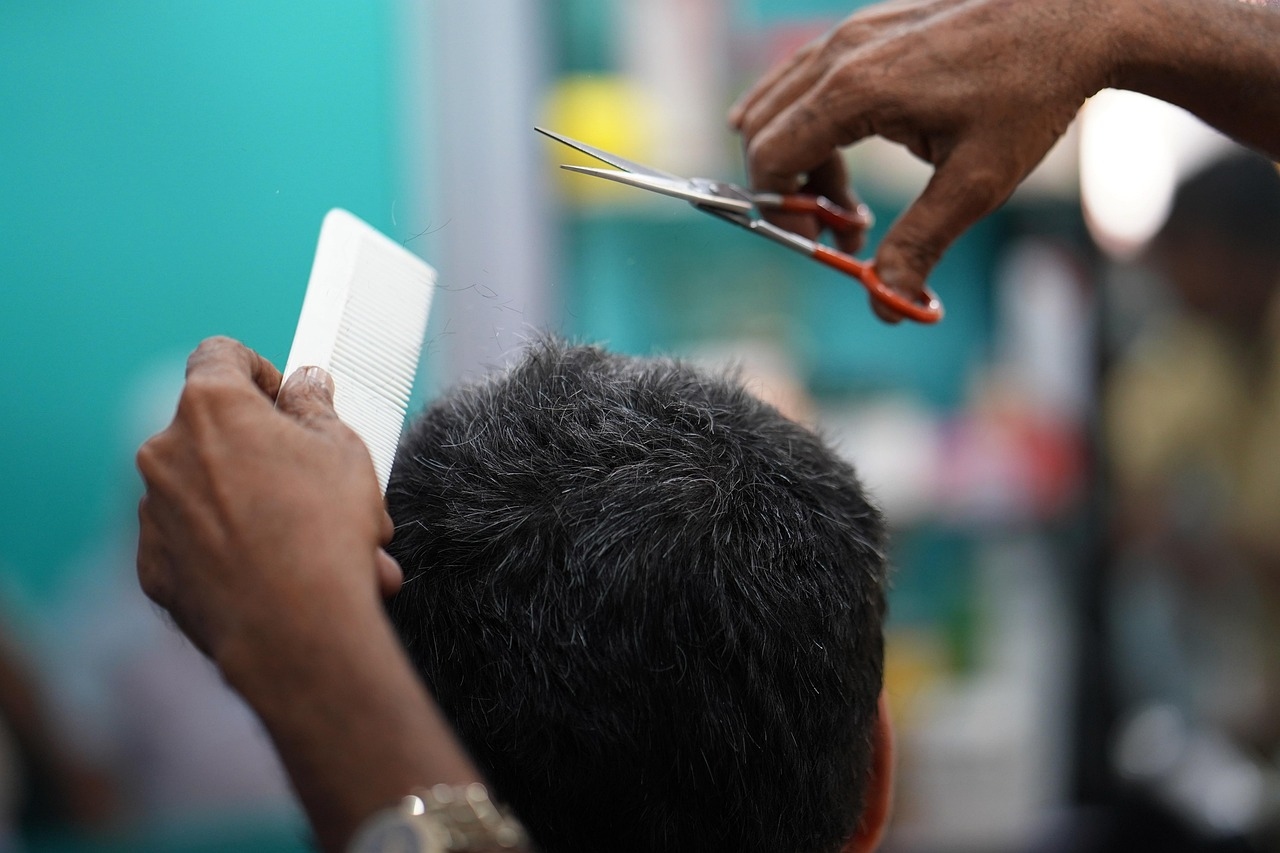
Split ends break apart and fray further, making the problem worse. Trim every 6-8 weeks, removing at least half an inch. This removes the most damaged sections and stops the split from traveling up the hair shaft. Cost: £15-40 per trim at most UK salons.
Budget Breakdown: How Much Does Dry Hair Treatment Cost?
You don’t need expensive products. Here’s a realistic monthly budget for someone with shoulder-length hair:
- Sulphate-free shampoo: £4-8 (lasts ~6 weeks, so ~£1/month)
- Conditioner: £5-10 (lasts ~4 weeks, so ~£5/month)
- Deep conditioning mask (weekly use): £10-15/month
- Protein treatment (twice monthly): £3-5/month
- Heat protectant spray: £6-10 (lasts ~3 months, so ~£3/month)
- Total: £17-36 per month
Budget-conscious approach: skip premium brands and focus on sulphate-free shampoo, basic conditioner, and weekly coconut oil treatments (£2-4/month for oil). You’ll spend roughly £10-15/month and see similar results.
Lifestyle Changes That Reduce Dry Hair
Hydration and Diet
Hair hydration starts from inside. Hair is approximately 13% water. Dehydration reduces sebum production and makes hair more brittle. Drink 2-3 litres of water daily. Additionally, omega-3 fatty acids (found in oily fish, flaxseeds, walnuts) support the skin and scalp’s natural oil production. Studies show people consuming adequate omega-3s report less scalp dryness.
Sleep Position and Friction
Cotton pillowcases create friction that roughens the cuticle and causes dryness over time. Switch to a silk or satin pillowcase (£15-30 one-time cost). Silk reduces friction by 20-30% compared to cotton. Alternatively, sleep with hair in a loose braid or bun to minimise movement and contact with the pillowcase.
Reduce Chemical Treatments
Bleaching, colouring, perming, and relaxing treatments strip moisture and damage protein structure. If you colour your hair, wait at least 2 weeks after a treatment before deep conditioning. Do strand tests before any chemical service. Space treatments at least 6 weeks apart if possible.
When to Seek Professional Help
If dry hair persists despite 4 weeks of consistent treatment, consult a trichologist (hair specialist) or dermatologist. Underlying causes could include thyroid dysfunction, nutritional deficiencies, or scalp conditions like seborrheic dermatitis. These require professional diagnosis and treatment beyond home care.
Professional treatments available at UK salons include keratin treatments (£60-150), protein infusions (£30-80), and moisture-binding treatments (£25-60). These last 4-8 weeks and provide faster results than home treatments, though they’re not permanent.
Frequently Asked Questions About Dry Hair
How long does it take to fix dry hair?
Hair grows approximately 15 centimetres per year, or 0.4mm daily. If your hair is dry throughout, you won’t see complete reversal until new growth comes in. However, cosmetic improvements—smoother texture, less frizz, increased shine—appear within 2-4 weeks of consistent treatment. Severely damaged ends may never fully recover and eventually need trimming as they grow out.
Is my dry hair permanent damage or temporary?
Hair is technically dead tissue (the root is alive, but everything from the scalp outward is not). You cannot reverse true structural damage like broken disulphide bonds. However, you can improve appearance dramatically through conditioning that fills gaps, smooths the cuticle, and prevents further damage. Deep conditioning offers cosmetic repair, not biological repair.
Can dry hair be caused by shampooing too often?
Yes. Frequent shampooing strips natural oils faster than your scalp can replace them. Most people with dry hair benefit from shampooing 2-3 times weekly rather than daily. Use dry shampoo (£4-8) on non-wash days to absorb excess oil without washing.
Does coconut oil work for all hair types?
Coconut oil works exceptionally well for dry, thick, and coarse hair types. Fine or thin hair may feel weighed down by coconut oil. For fine hair, use lighter oils like argan oil or jojoba oil, or apply coconut oil only to the last 5 centimetres of hair rather than the whole length.
What’s the difference between dry hair and dehydrated hair?
Dry hair lacks natural oils (sebum). Dehydrated hair lacks water but may have adequate oil—it feels limp and flat rather than frizzy. Dry hair treatment focuses on oils and protein. Dehydrated hair needs hydrating serums, leave-in conditioners, and humectants. Many people have both simultaneously, requiring combination approaches.
Moving Forward: Building a Sustainable Hair Care Routine
Fixing dry hair isn’t about one miracle product—it’s about understanding what your hair needs and delivering it consistently. Start with these non-negotiables: sulphate-free shampoo, daily conditioning, weekly deep conditioning, and reduced heat styling. These form the foundation. Add protein treatments if hair is damaged, adjust for seasonal changes, and monitor results over 4-6 weeks.
Your hair reflects your overall approach to care. Small daily habits—using cool water, sleeping on silk, staying hydrated—compound into visible results. Track what works by taking photos every 4 weeks and noting which products and practices gave the best results.
The most effective treatment is the one you’ll actually use consistently. If a £40 keratin treatment sits unused while a £6 coconut oil becomes your weekly ritual, the coconut oil wins. Start where you are, use what you have, and build from there. Within 8-12 weeks of committed care, most people see dramatic improvements in texture, shine, and overall hair health.