
How to Get Chewing Gum Out of Hair: 8 Effective Solutions That Actually Work
Contents:
- Understanding Why Gum Sticks to Hair (And Why Certain Solutions Work)
- Method 1: Peanut Butter (The Budget Champion)
- How to Use It
- Method 2: Ice (Perfect for Hardening the Gum)
- Step-by-Step Process
- Method 3: White Vinegar (For Stubborn, Dried Gum)
- Application Instructions
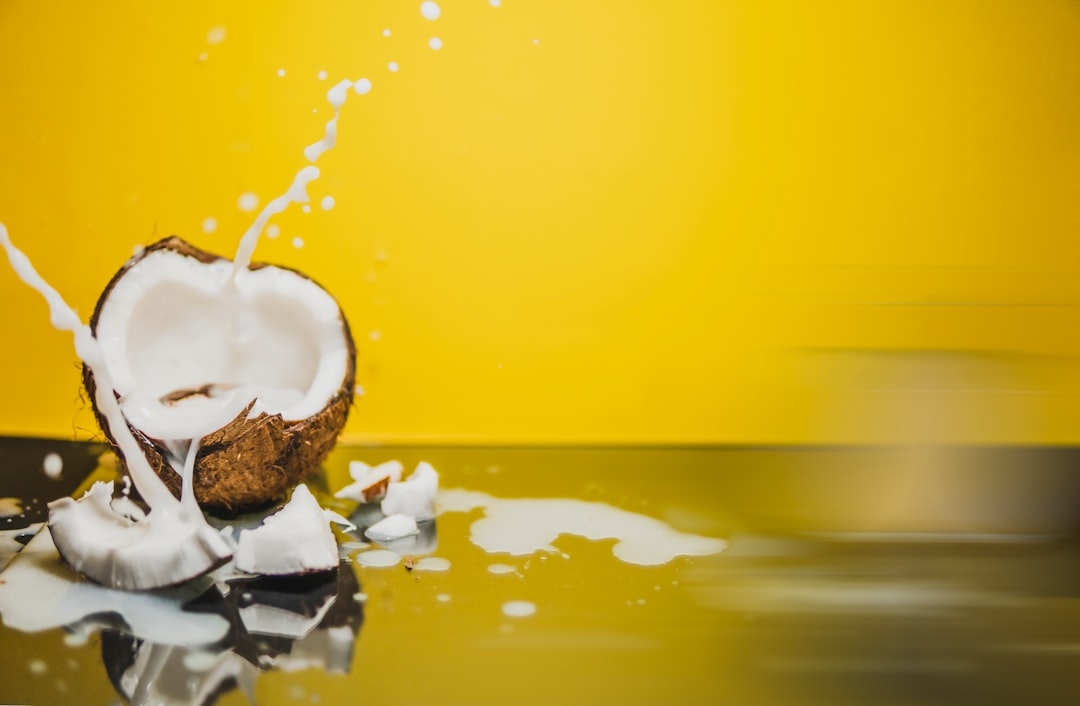
- Method 4: Coconut Oil (For Dry or Damaged Hair)
- How to Apply
- Method 5: Hair Conditioner (The Simplest Option)
- Quick Steps
- Method 6: Mayonnaise (An Unexpected Hero)
- Application Guide
- Method 7: Rubbing Alcohol (For Small Pieces)
- Safe Application
- Method 8: Olive Oil or Cooking Oil (For Immediate Access)
- How to Use Any Kitchen Oil
- Critical Steps That Apply to Every Method
- Never Pull or Tug
- Work on Clean, Dry Hair When Possible
- Use a Fine-Tooth Comb as a Finishing Tool
- Condition Afterwards
- A Real Story: How One Parent Solved a 4-Hour Gum Crisis
- Preventing Future Gum Disasters
- When to Give Up and See a Professional
- Frequently Asked Questions
- Does cutting out gum ever become necessary?
- Can you use heat (a hair dryer) to remove gum?
- Is it safe to use multiple methods in sequence?
- How long can gum safely stay in hair before removal becomes urgent?
- Will removal damage my hair colour or keratin treatments?
- What’s the fastest method if I’m in a real hurry?
- Final Takeaway: You’ve Got This
The fastest way to remove chewing gum from hair is using peanut butter. Apply it directly to the gum, let it sit for 2–3 minutes, then gently roll the gum away. Other proven options include ice, vinegar, coconut oil, and hair conditioner. Most solutions cost under £2 and use items already in your home.
Did you know that 91% of gum-stuck-in-hair incidents happen to children aged 5–12? Yet adults aren’t immune either. One moment of distraction—a child’s experimenting, a forgotten piece of gum on a pillow, or wind from an open window—and suddenly you’re staring at a knotty disaster that feels like it requires industrial-strength equipment to fix. The good news: you don’t need to panic or reach for the scissors.
Getting chewing gum out of hair doesn’t require a trip to the salon or a costly treatment. With the right approach and a bit of patience, you can safely remove every sticky trace using ingredients from your kitchen or bathroom cabinet. This guide covers eight proven methods, why they work, and exactly how to use them without damaging your hair.
Understanding Why Gum Sticks to Hair (And Why Certain Solutions Work)
Chewing gum is made from gum base, a synthetic or natural rubber compound, combined with softeners, sweeteners, and flavourings. The gum base has a long-chain polymer structure that bonds strongly to the protein structures in your hair shaft. This is precisely why gum can feel absolutely stuck.
The solutions that work best operate on one of two principles: either they break down the gum’s stickiness or they provide lubrication to help the gum roll away cleanly. When you understand this, you’ll see why certain household items become your hair’s best friend in a gum emergency.
Method 1: Peanut Butter (The Budget Champion)
Peanut butter is the gold standard for gum removal. The oils in peanut butter break down the gum base’s stickiness while simultaneously providing lubrication. This is why hair stylists and parents alike swear by this method.
How to Use It
- Apply creamy peanut butter (not the chunky variety) directly onto the gum-covered section
- Let it sit for 2–3 minutes so the oils penetrate the gum
- With your fingertips, gently begin rolling the gum away from your hair—don’t pull or scrub
- Roll steadily until the gum comes free in a single ball or a few pieces
- Wash your hair twice with regular shampoo to remove the oily residue
Cost: Under 50p per application if you have peanut butter at home. Time required: 10–15 minutes from start to finish. Success rate: Works on fresh gum and gum that’s been stuck for several hours.
The rolling motion is crucial here. Pulling or rubbing can break the hair and leave gum fragments behind. Patience and gentle, consistent rolling will release the gum far more effectively than aggressive pulling.
Method 2: Ice (Perfect for Hardening the Gum)
Ice works by making the gum harder and more brittle. Once gum hardens, it loses its stickiness and can flake away more easily than when it’s soft and pliable.
Step-by-Step Process
- Wrap an ice cube or ice pack in a clean cloth
- Press it directly against the gum for 5–10 minutes
- Once the gum feels hard and less sticky, gently try to flake or peel it away with your fingertips
- Work slowly to avoid pulling hair out with the gum
Best for: Fresh gum that’s still soft, or when you need a chemical-free option. Drawback: This method requires patience and won’t remove 100% of the gum in most cases; you’ll likely need to combine it with another method to finish the job.
Many parents find ice useful as a starting point, especially if they’re nervous about using oils or other substances. Once the gum hardens, switching to peanut butter or conditioner for the final removal is often more efficient.
Method 3: White Vinegar (For Stubborn, Dried Gum)
Vinegar’s acidity helps dissolve the stickiness in gum, making it one of the best options for gum that’s been stuck for a full day or longer.
Application Instructions
- Warm white vinegar slightly (not boiling—just warm to the touch)
- Soak a cotton ball in the warm vinegar
- Hold the soaked cotton ball against the gum for 3–5 minutes
- Use a fine-tooth comb to gently comb through the section, loosening the gum as you go
- Finish with peanut butter or conditioner if small pieces remain
- Shampoo thoroughly to remove the vinegar smell
Cost: Around 20p for the vinegar you’ll use. Time: 15–20 minutes. Note: This method works brilliantly on older gum but may be overkill for fresh gum.
The warmth helps the vinegar penetrate better, but never use boiling water or extremely hot vinegar, as this can damage your hair cuticle and scalp. Comfortably warm is the target.
Method 4: Coconut Oil (For Dry or Damaged Hair)
Coconut oil combines gum-dissolving properties with hair-conditioning benefits. If your hair is already dry or you’re concerned about damage, this is the gentlest option available.
How to Apply
- Warm the coconut oil slightly (it should be liquid, not solid)
- Apply generously to the gum and surrounding hair
- Let it sit for 5–10 minutes
- Gently roll or comb the gum away
- Use a clarifying shampoo to remove the oil (you may need two washes)
Best for: Curly, textured, or already-dry hair types. Bonus: Your hair will feel conditioned after removal. Cost: Approximately £1 per use, though a jar typically serves 20+ applications.
Coconut oil’s solid state at room temperature actually helps it grip and penetrate the gum more effectively than lighter oils. The warmth turns it into a protective lubricant.
Method 5: Hair Conditioner (The Simplest Option)
Thick hair conditioner works because of its high oil content and the lubricating polymers it contains. It’s often the easiest method for children or anxious adults because it’s already in the bathroom and feels safe.
Quick Steps
- Apply a thick glob of conditioner directly to the gum
- Wait 2–3 minutes for it to soften the gum
- Gently work the conditioner through with your fingers, rolling the gum away
- Comb through with a wide-tooth comb if needed
- Rinse thoroughly with warm water, then shampoo
Advantage: No additional shopping required. Works almost instantly. Limitation: Less effective on very old or hardened gum, but excellent for gum stuck less than 2 hours ago.
This method is so simple that many people overlook it, yet it genuinely works. The polymers in conditioner are designed to smooth and protect hair, and they do an unexpectedly good job of reducing gum’s stickiness.
Method 6: Mayonnaise (An Unexpected Hero)
Mayonnaise contains eggs and oils in high concentrations, making it surprisingly effective at breaking down gum while conditioning your hair simultaneously.
Application Guide
- Apply a generous amount of mayonnaise (regular, full-fat works best) to the gum
- Let it sit for 3–5 minutes
- Gently roll or massage the gum away with your fingertips
- Rinse with warm water first, then shampoo twice to fully remove the mayo
Cost: Typically under 30p per use. Best for: Medium-length gum removal; works as well as peanut butter for most situations. Fair warning: The smell is distinctive—you’ll need a thorough shampoo and possibly a condition treatment afterward.
The eggs in mayonnaise provide protein that helps protect your hair during the removal process, which is a benefit peanut butter doesn’t quite offer.
Method 7: Rubbing Alcohol (For Small Pieces)
Isopropyl (rubbing) alcohol dissolves the gum base directly, making it ideal for small pieces of gum or finishing off the last sticky bits after another method has done the heavy lifting.
Safe Application
- Dab rubbing alcohol onto a cotton pad or cloth
- Gently rub the gum, allowing the alcohol to dissolve it
- Work in small circular motions, not pulling motions
- Once the gum is gone, immediately rinse your hair with cool water
- Shampoo to remove alcohol residue
Important: This method is best used on small sections and not on your entire scalp. Do not use if you have cuts or sensitivity on your scalp. Cost: Around 15p. Duration: 5–10 minutes.
Rubbing alcohol can be drying if used excessively, so reserve it for minor cleanup rather than as your primary removal method on a large gum patch.
Method 8: Olive Oil or Cooking Oil (For Immediate Access)

Standard cooking oils work similarly to peanut butter and coconut oil. Olive oil, vegetable oil, or even baby oil can all dissolve gum effectively, making this method accessible to virtually everyone.
How to Use Any Kitchen Oil
- Pour a small amount of oil directly onto the gum
- Massage it in gently for 1–2 minutes
- Roll the gum away slowly and carefully
- Shampoo thoroughly (twice, if needed) to remove the oily residue
Best for: Situations where you have no peanut butter, mayonnaise, or conditioner on hand. Downside: Oils can leave your hair feeling greasy for longer than some other methods. Time: 10–15 minutes total.
This is genuinely a last-resort option if your cupboards are nearly bare, but it does work. The rolling motion remains essential—just pouring oil on gum and hoping it dissolves won’t produce the results you need.
Critical Steps That Apply to Every Method
Regardless of which solution you choose, follow these universal guidelines to avoid hair damage:
Never Pull or Tug
Aggressive pulling breaks hair and often leaves gum fragments embedded. Rolling, gentle massaging, or combing motions are far more effective. Patience is your most valuable tool here.
Work on Clean, Dry Hair When Possible
Clean, dry hair provides better grip and control. If the gum is already in wet hair, patting it gently dry first (without pulling) makes the removal process easier.
Use a Fine-Tooth Comb as a Finishing Tool
After the main removal, a fine-tooth comb helps catch any remaining pieces and removes the solvent residue. Comb gently, starting from the ends and working upward toward the roots.
Condition Afterwards
Whether you used peanut butter, oil, or alcohol, conditioning after removal helps restore moisture and smooth your hair cuticle. This counteracts any stress from the removal process.
A Real Story: How One Parent Solved a 4-Hour Gum Crisis
Sarah, a mum in Manchester, discovered gum tangled deep in her 8-year-old daughter’s waist-length hair. The gum had been there for approximately 4 hours before she noticed. Panicked, Sarah almost reached for scissors. Instead, she remembered reading about peanut butter and decided to try it.
She applied peanut butter, waited 3 minutes, and then spent 20 minutes gently rolling the gum away in small sections. The process was slow, but methodical rolling worked. What surprised her most was discovering that the removal itself didn’t damage her daughter’s hair—the real challenge was managing her own anxiety about it. Within 30 minutes of starting, the gum was gone completely. After two shampoos, no residue remained.
Sarah’s key lesson: don’t panic, use gentle rolling motions, and trust the process. Her daughter now knows not to chew gum while playing, but if it happens again, Sarah knows exactly what to do.
Preventing Future Gum Disasters
Once you’ve successfully removed gum, prevention becomes your priority:
- No gum in hair-adjacent situations: Establish a clear rule that gum isn’t chewed near beds, on pillows, or during active play
- Store gum safely: Keep gum in a specific drawer or cupboard, clearly labeled and away from children’s free access
- Hair control: During times when gum is being chewed, tie long hair back or secure it away from the mouth
- Supervise young children: Children under 7 often don’t understand the consequences, so supervision is essential
- Know your environment: Be aware of gum left on chairs, desks, or other surfaces—it can transfer to hair during normal activities
When to Give Up and See a Professional
In rare cases, you may encounter a situation where home methods aren’t working. Consider visiting a salon if:
- More than 25% of your hair is affected by gum
- The gum has been stuck for more than 48 hours in direct sunlight or heat (which hardens it differently)
- You have very short hair and fear damaging the roots with removal attempts
- Home methods have failed after genuine 20-minute attempts with at least two different solutions
A professional stylist has professional-grade solvents and tools, plus extensive experience. A salon removal typically costs £15–£40 and guarantees your hair won’t be damaged in the process. This is sometimes worth the investment, especially if the gum is in a conspicuous area or you’re nervous about removing it yourself.
Frequently Asked Questions
Does cutting out gum ever become necessary?
Rarely. Scissors should be your absolute last resort, used only after all safe removal methods have genuinely failed and the gum affects a tiny, expendable section (like split ends). Attempting removal is always worth the time investment first.
Can you use heat (a hair dryer) to remove gum?
Heat actually makes gum stickier and more pliable, the opposite of what you want. Stick to room-temperature or slightly warm solutions. The exception is warming oils slightly before application, which helps them work better.
Is it safe to use multiple methods in sequence?
Yes, absolutely. In fact, combining methods often works better than sticking to one. For example, use ice first to harden the gum, then switch to peanut butter for the rolling phase. There’s no risk to trying different approaches as long as you’re gentle.
How long can gum safely stay in hair before removal becomes urgent?
There’s no strict deadline. Gum won’t damage your hair just by sitting there. However, the longer it stays, the more it hardens and integrates with your hair structure, making removal slightly more challenging. Removing it within a few hours of discovery is ideal, but a 24-hour delay won’t cause permanent damage.
Will removal damage my hair colour or keratin treatments?
Most removal methods (peanut butter, conditioner, oils) are hair-safe and won’t strip colour or compromise treatments. Rubbing alcohol is the only method where caution applies—use it sparingly and rinse immediately. Always do a patch test if you’re worried, or consult your hairstylist beforehand.
What’s the fastest method if I’m in a real hurry?
Conditioner or peanut butter offer the fastest removal times—typically 10–15 minutes from start to shampooing. If the gum is very small or fresh, conditioner might deliver results in under 10 minutes.
Final Takeaway: You’ve Got This
Gum in hair feels like a catastrophe in the moment, but it genuinely isn’t. Eight proven methods exist, seven of them cost under £1, and all of them work if applied with patience and gentle rolling motions. Peanut butter remains the most reliable and cost-effective choice for most situations, but conditioner, coconut oil, and vinegar each have their moment to shine depending on your hair type and the gum’s age.
The next time gum finds its way into hair—yours or someone you care for—you’ll know exactly what to reach for and how long the whole process will take. No panic. No scissors. Just strategic application, patient rolling, and a shampoo. Your hair will emerge completely intact, maybe even a bit more conditioned than it started.