How to Pineapple Hair: The Complete Curl-Protection Guide for Sleeping
Contents:
- What Is Pineappling Hair, and Why Does It Work?
- How to Pineapple Hair: Step-by-Step Technique
- Step 1: Choose Your Gathering Method
- Step 2: Gather Hair High and Loosely
- Step 3: Secure Without Damaging
- Step 4: Use a Silk Pillowcase (Highly Recommended)
- Pineappling Hair vs. Plopping: The Difference
- Best Practices for Pineappling Different Curl Types
- Loose Waves (Type 2) and Loose Curls (Type 3)
- Tightly Curled Hair (Type 4)
- Regional Preferences and Adoption Across the UK
- Sustainability Benefits of Pineappling
- Advanced Pineappling Techniques
- The Double Pineapple Method
- The Pineapple with Bonnet Combination
- Common Mistakes When Pineappling
- FAQ
Pineappling your hair is the simplest curl-preservation technique that most curly-haired people don’t know about—yet it’s genuinely transformative for protecting your hairstyle overnight. Your carefully styled curls, set with expensive products and effort, don’t need to be destroyed every time you sleep. Pineappling prevents that destruction, extending your hairstyle’s lifespan from one day to three or four days. This single technique saves time, money, and frustration.
What Is Pineappling Hair, and Why Does It Work?
Pineappling is a curl protection method where you gather hair high on the top of your head, securing it loosely with a hair tie or clip. The resulting ponytail resembles a pineapple’s leafy crown, hence the name. The technique works by preventing hair from contacting your pillowcase, which would flatten curls, create friction, and cause frizz. By gathering curls upward and away from the pillow, curls maintain their definition, shape, and moisture overnight.
Curls are fragile. A single night of pillow friction disrupts cuticle alignment, causes frizz, and crushes curl definition. Sleeping without protection means waking to flattened, frizzy hair requiring substantial refreshing or re-doing. Pineappling eliminates this damage, allowing you to wake with curls nearly as beautiful as when you slept.
How to Pineapple Hair: Step-by-Step Technique
Step 1: Choose Your Gathering Method
You’ll gather your hair using either a hair tie or a clip. This choice affects how much curl definition is preserved.
Loose Hair Tie Method (Most Common): Use a soft scrunchie, silk hair tie, or coil hair tie (never elastic hair ties that cause breakage). Gather hair into a high ponytail on the very top of your head, leaving the ponytail loose enough that you can fit two fingers underneath. This prevents the tight gathering that would crease curls. Silk scrunchies (brands like Slip or Mulberry Silk, £8-15, Space NK) are gentlest; coil hair ties (£3-5, Boots) are budget-friendly alternatives. Regular elastic hair ties cause creases and breakage; avoid them.
Clip Method: A large claw clip, hair clip, or banana clip secures hair even more loosely than a tie. Gather hair at the crown and clip it loosely—this method prevents any creasing whatsoever. Clips work excellently for people with extremely delicate curls or those who experience crease marks from hair ties.
Step 2: Gather Hair High and Loosely
Position your ponytail at the very top of your head, as high as possible. This placement ensures hair is completely away from your pillow. Make the ponytail extremely loose—curls should be able to move freely within the tie. A too-tight ponytail creases curls, defeating the purpose. The goal is gathering curls away from the pillow whilst allowing them to maintain shape and definition. Your ponytail should feel loose enough that taking it down requires no effort and leaves no visible crease marks.
Step 3: Secure Without Damaging
Use a silk or smooth-surfaced hair tie only. Rough elastic or regular hair ties cause friction and breakage. The tie should be loose enough that you can move it around your ponytail easily and that taking it down causes no tugging. If taking down the ponytail in the morning requires yanking or causes hair to catch, the tie is too tight.
Step 4: Use a Silk Pillowcase (Highly Recommended)
Combined with pineappling, a silk or satin pillowcase dramatically improves curl preservation. Silk pillowcases reduce friction compared to cotton pillowcases, preventing frizz and breakage. The combination of a pineappled ponytail plus a silk pillowcase is unbeatable for curl preservation. Silk pillowcases cost £15-50 (brands like Slip, Mulberry Silk, or budget options from Amazon, £8-15). They’re a worthwhile investment if you’re serious about curl health.
Cotton pillowcases cause friction and absorb moisture from hair; silk/satin pillowcases are frictionless and don’t absorb moisture. The difference in curl quality when using silk is genuinely noticeable—shinier, less frizzy, longer-lasting curls.
Pineappling Hair vs. Plopping: The Difference
Plopping is wrapping wet hair in a towel or microfibre cloth after washing to remove excess water. Pineappling is gathering dry curls into a high ponytail for sleep. These are entirely different techniques serving different purposes. Plopping is a post-wash technique; pineappling is a sleep-protection technique. Some people plop (to dry without frizz) and then pineapple (to sleep without curl damage). Others do one or the other. Understanding the distinction prevents confusion; they’re not interchangeable.
Best Practices for Pineappling Different Curl Types
Loose Waves (Type 2) and Loose Curls (Type 3)
Loose waves and curls preserve definition reasonably well. Pineappling works excellently; even a slightly tighter ponytail (not tight, just firmer than you’d use for coily hair) doesn’t damage these curl types significantly. Most people with Type 2-3 curls use loose hair ties and wake to minimal frizz. A silk pillowcase is optional but beneficial.
Tightly Curled Hair (Type 4)
Tightly coiled curls are extremely fragile and benefit most from pineappling. However, gather very loosely; even gentle tension can crease these delicate curls. Combine pineappling with a silk pillowcase and a silk bonnet or scarf if desired. Some people prefer wearing a silk bonnet alone (no pineappling) for Type 4 curls; others combine both techniques for maximum protection.
Regional Preferences and Adoption Across the UK
Pineappling is mainstream in London and Southeast England where curly hair communities are well-established and information widely shared. In Scotland, Wales, and Northern regions, pineappling awareness is lower, partly because curly hair communities are smaller. This doesn’t reflect the technique’s effectiveness—it works equally everywhere—but rather information access and community awareness. As curly hair acceptance grows across the UK in 2026, pineappling adoption is increasing in all regions.
Sustainability Benefits of Pineappling
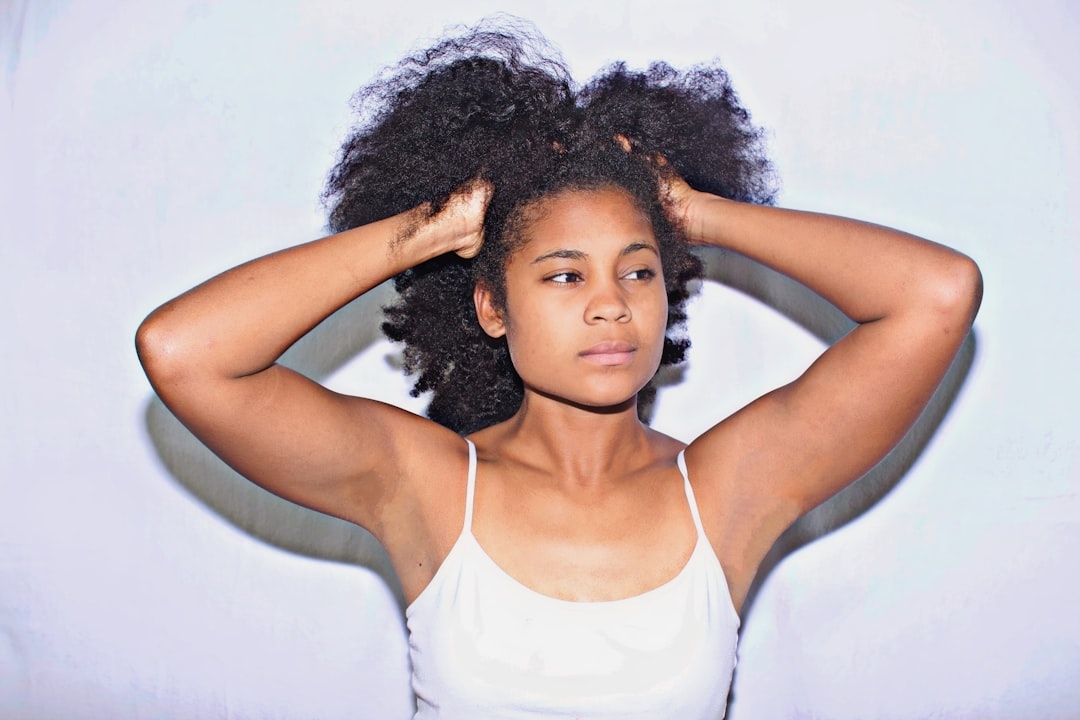
Pineappling directly reduces environmental impact by extending time between washes. By protecting curls overnight, you can wear the same hairstyle 3-4 days instead of 1 day, reducing wash frequency from weekly or twice-weekly to monthly. Less frequent washing means less water usage, less shampoo/conditioner consumed, and less electricity spent heating water. For someone washing hair twice weekly (104 times annually) versus once weekly using pineappling (52 times annually), the annual water savings is substantial. This isn’t a marketing gimmick—pineappling has genuine environmental benefits through reduced water consumption and product usage.
Advanced Pineappling Techniques
The Double Pineapple Method
Some people with longer hair use two smaller ponytails at the crown instead of one, securing both with loose ties. This prevents any potential creasing from a single tight ponytail. The technique is more secure than a single ponytail for people with very thick or very long hair, though it’s overkill for most. Worth trying if a single ponytail doesn’t feel secure enough.
The Pineapple with Bonnet Combination
Pineappling combined with a silk bonnet (a headwrap-style covering) provides maximum protection. The bonnet prevents any possible pillow contact whilst the pineapple gathers curls away. For extremely delicate curls or people experiencing significant frizz despite pineappling alone, this combination is worth trying. Silk bonnets cost £10-25 (brands like Slip, Mulberry Silk, or budget options on Amazon).
Common Mistakes When Pineappling
Mistake 1: Ponytail is too tight. This creates crease marks and can damage curls. Your ponytail should feel loose and gentle. You should be able to fit two fingers comfortably under the hair tie.
Mistake 2: Ponytail is too low. If positioned at the back of your head (neck area) instead of the crown, hair will still contact the pillow. Position high on top of your head, crown area.
Mistake 3: Using a regular elastic hair tie. Elastic ties cause friction and breakage. Use silk, coil, or smooth-surfaced ties only.
Mistake 4: Not using a silk pillowcase. Pineappling alone works, but combined with a silk pillowcase, results are dramatically better. The pillowcase investment is worthwhile.
Mistake 5: Pineappling wet hair. Pineappling works only on dry or mostly-dry hair. Wet hair pineappled will dry in compressed waves rather than curls. Plop when wet; pineapple when dry.
FAQ
How do you pineapple hair?
Gather dry hair into a very loose, high ponytail on the crown of your head using a soft hair tie or clip. The ponytail should be loose enough that fingers fit comfortably underneath. This protects curls from pillow friction overnight. Combined with a silk pillowcase, results are excellent.
Do you pineapple wet or dry hair?
Dry hair only. Pineappling wet hair causes it to dry in compressed, wavy patterns rather than curls. Plop wet hair (wrap in towel) to remove water. Once mostly dry, pineapple for sleep.
Should your hair be completely dry before pineappling?
Mostly dry is fine; completely bone-dry isn’t necessary. If hair is still dripping wet, it will dry compressed and frizzy. If it’s damp but not dripping, pineappling works well. Most people pineapple 1-2 hours after finishing styling.
How long can you pineapple hair?
Overnight (6-8 hours) is standard. You can pineapple during daytime naps too (2-3 hours) if desired. Just avoid leaving hair in a ponytail for more than 12 continuous hours, as this can eventually cause tension breakage.
Does pineappling damage hair?
No, if done correctly with a loose, soft hair tie. Tight ponytails damage hair through tension; loose pineapples don’t. Combine with a silk pillowcase and regular conditioning to maintain hair health.
Pineappling is genuinely the most effective, simplest curl-protection technique available. It costs nothing (if you have a hair tie already) or minimal money (silk ties, £3-15), takes 30 seconds to execute, and extends hairstyle longevity dramatically. Anyone with curly, wavy, or textured hair should be pineappling nightly. The combination of a loose high ponytail and a silk pillowcase is unbeatable for wake-up curls requiring minimal refreshing rather than complete re-doing.